
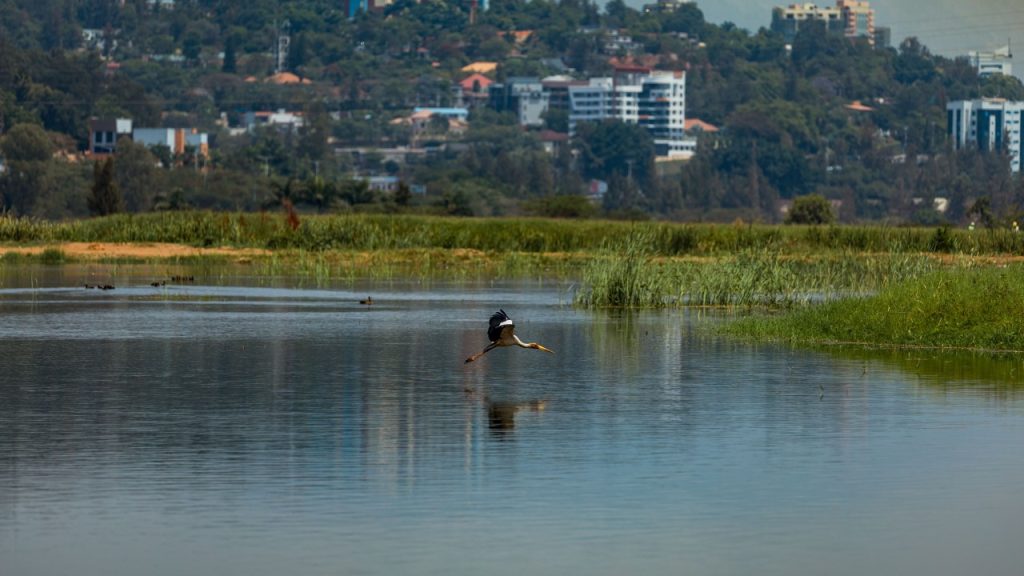
The Rwanda Environment Management Authority (REMA) says the ongoing restoration of wetlands across Kigali is showing positive results, with biodiversity returning and the wetlands regaining their natural ability to store water and reduce flood risks.
As the restoration project nears completion, REMA said the wetlands are recovering their ecological functions, helping protect the environment while improving the city’s landscape.
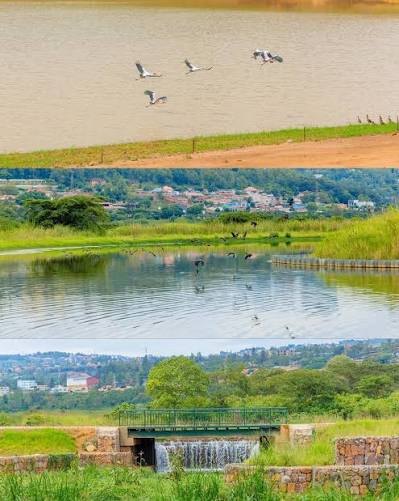
In a statement posted Monday on X, the agency said restored wetlands are now supporting the return of plant and animal species, increasing water retention and strengthening Kigali’s resilience to flooding.
The Gikondo Wetland, one of the project’s flagship sites, is among the areas showing significant ecological recovery, according to REMA. The agency said vegetation and other forms of wildlife are gradually returning as restoration efforts continue.
The initiative also covers the Rugenge-Rwintare and Nyabugogo wetlands, where work includes clearing waste, restoring natural water channels, rehabilitating habitats and promoting sustainable land use.
Kigali’s wetlands play a vital role in managing stormwater and protecting the city from floods. Over the years, many were degraded by unregulated farming, settlements and illegal waste disposal, reducing their capacity to filter and retain water.
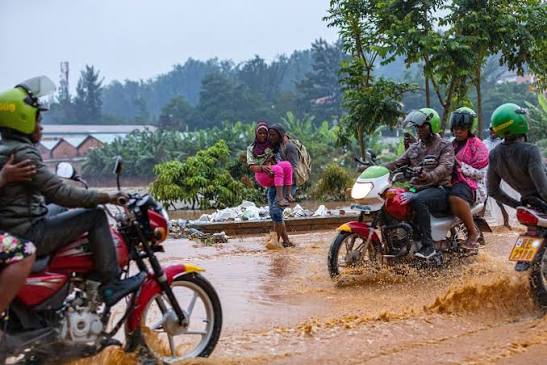
The Government of Rwanda launched the restoration program to reverse this damage, improve water management, restore biodiversity and support climate resilience.
Beyond environmental benefits, the project is expected to create opportunities for urban ecotourism, expand public recreational spaces and contribute to Kigali’s vision of sustainable and climate-resilient urban development.
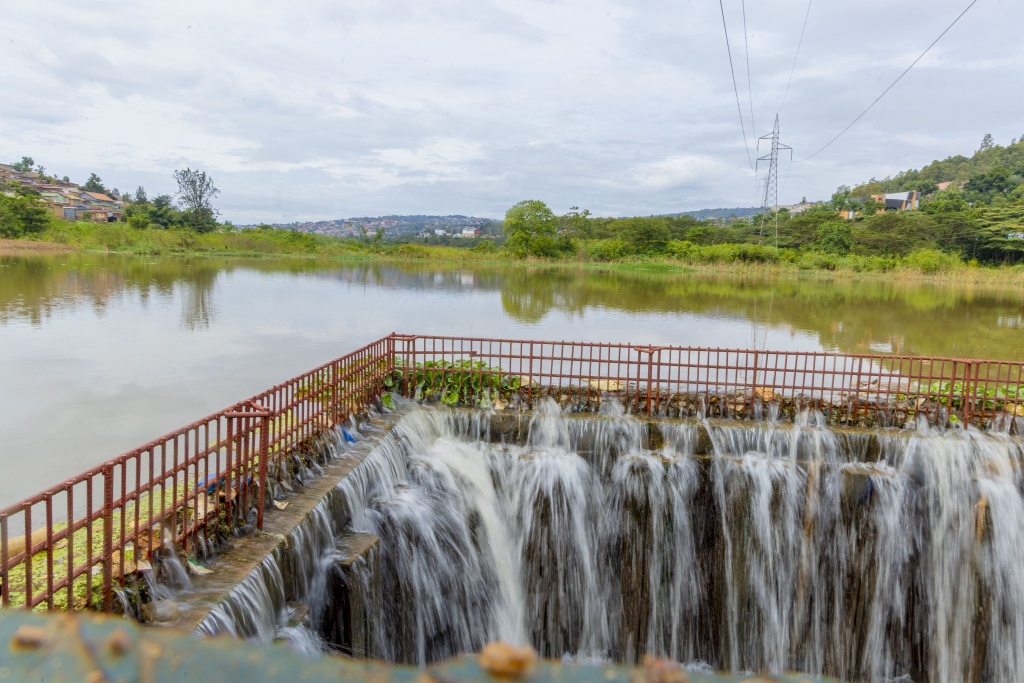
REMA urged residents to continue supporting environmental conservation efforts, saying wetland restoration remains essential to protecting ecosystems and building greener cities.