
The Minister of Agriculture and Animal Resources, Dr. Telesphore Ndabamenye, has called on farmers to intensify the use of agricultural inputs and expand cultivation of arable land, stressing that increased production remains key to stabilizing food prices in Rwanda.
He made the remarks during a live talk show on Radio Rwanda on April 27, 2026, where discussions centered on the role of farmers in addressing rising food prices and improving market stability.
His comments came as the National Institute of Statistics of Rwanda (NISR) released findings from the Seasonal Agricultural Survey (SAS) 2026 Season A, which shows mixed but generally stable performance in key staple crops.
According to the report, cassava production reached 569,110 metric tons, bananas exceeded 1.33 million metric tons, while maize increased to 488,622 metric tons.
Irish potatoes and sweet potatoes also recorded growth, reflecting improved yields in highland and marshland farming zones.
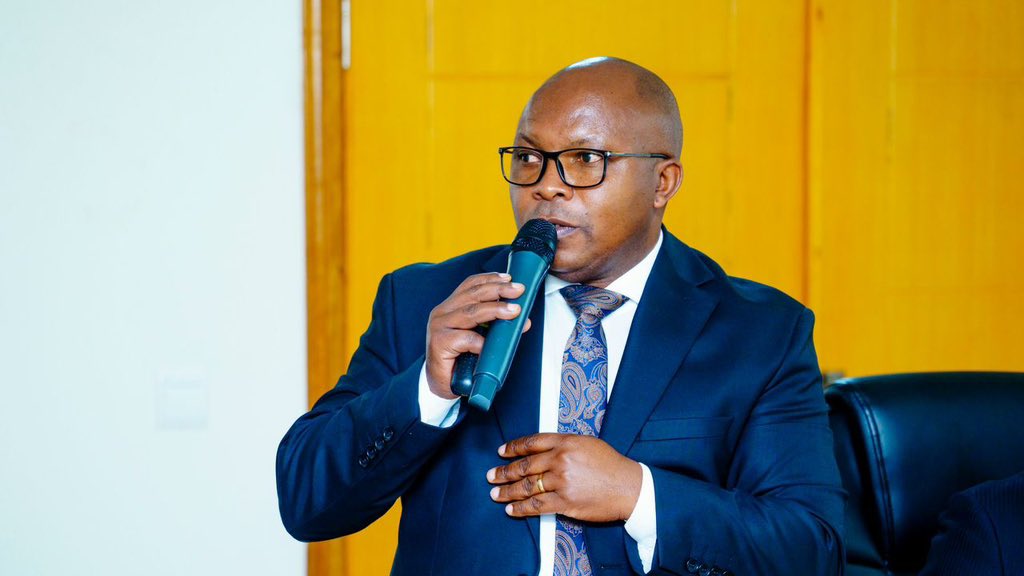
Dr. Telesphore Ndabamenye highlighted the role of increased agricultural production in stabilizing food prices during a live discussion on Radio Rwanda.
However, bean production declined slightly to 229,396 metric tons, a drop attributed to drought conditions in some parts of the country during the 2025 agricultural season.
Dr. Ndabamenye said production trends have a direct impact on market prices and food availability, emphasizing the need for increased productivity across seasons. “Maize increased by about 1.1 percent, Irish potatoes by 3.3 percent, cassava by around 5 percent, vegetables by 1.5 percent, and rice by 2 percent,” he said, highlighting sector performance trends.
He added that about 42 percent of maize is sold on the market, while 43 percent is consumed at whereas beans are largely consumed domestically, with only 22 percent sold.
The Minister further stressed that stabilizing production is essential to avoid food price shocks, noting that irrigation and input use remain critical gaps in the sector.
Local leaders and farmers also raised concerns over production challenges and rising input costs during the discussion.
FARMERS’ CALL Innocent Mutangana, a farmer from Gakenke District said lack of irrigation infrastructure and limited access to modern farming tools continue to affect productivity and household food security.
“We need irrigation facilities in marshlands and machines to use in nonmarshland areas. We also request that farmers be allowed to grow crops that support nutrition beyond vegetables,” the farmer said.
Another farmer, Juvens Mushimiye from Musanze District and an Irish potato producer, said high production costs are affecting profitability and market dynamics. “We request a reduction in pesticide prices. Irish potato prices should remain stable or high because inputs are expensive,” he said.
Speaking during the same Radio talk show alongside the Minister of Agriculture, Rutsiro District Mayor Dative Kayitesi outlined how farmers in her district are adapting to seasonal production challenges by diversifying crops and expanding cultivation into marshlands and hillside areas. “We have both cold and hot climatic zones and grow different crops across seasons.
In Season A, we produced maize, beans, soybeans, and Irish potatoes, and the yields helped prepare for Season B,” she said.
She noted that Irish potato prices increased significantly, rising from between Rwf 270–350 per kg to between Rwf 450500, while beans rose from about Rwf 800–1,000 to between Rwf 1,200–1,300 per kg.

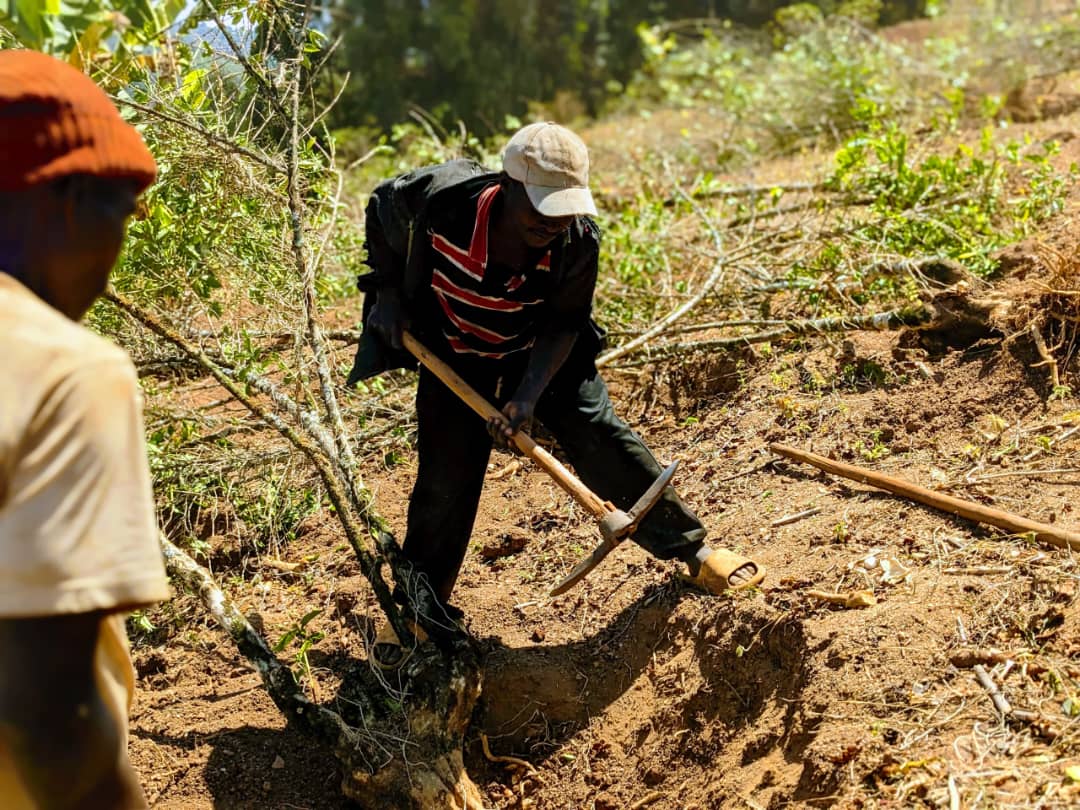
The Mayor of Rutsiro Distrct Dative Kayitesi highlights efforts by farmers to diversify crops and utilize marshlands to boost yields. “To cope with this situation, we must cultivate all arable land. We are draining and preparing marshlands and hillsides to grow tomatoes, eggplants, and vegetables to supplement bean production. We are encouraging farmers to prepare for planting in June,” she added.
Kayitesi also urged farmers to store beans to help prevent future price hikes and called on national authorities to support increased production. “As local government, we request the Ministry of Agriculture and Animal Resources to allow farmers to fully use their dedicated land for Irish potatoes and maize production, and ensure access to highquality seeds in sufficient quantities,” she said.
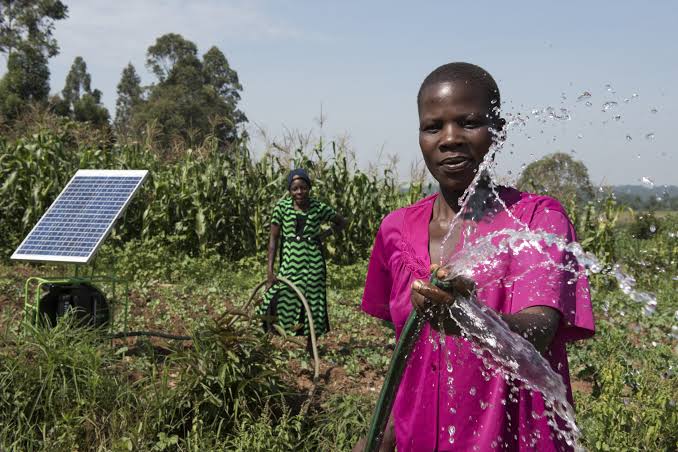
Irrigation still a key challenge Dr. Ndabamenye also acknowledged that irrigation remains a major constraint in agricultural transformation, with only 14.4 percent of farmers currently using irrigation systems.
He urged farmers to expand production in marshlands and adopt better seasonal planning, particularly for crops like beans, which are heavily dependent on Season B production.
He further emphasized coordination between government institutions to monitor and manage food price fluctuations. “Prices move with supply. When production increases, markets stabilize. That is why farmers must fully utilize available land and inputs,” he said.
The Minister concluded that improving irrigation, expanding cultivation, and strengthening seasonal production cycles will be critical in reducing food price volatility, especially for Irish potatoes, beans, and vegetables.