
Journalists reporting on crime and justice issues have been urged to maintain impartiality, verify information carefully and avoid making conclusions before courts or competent authorities have established the facts.
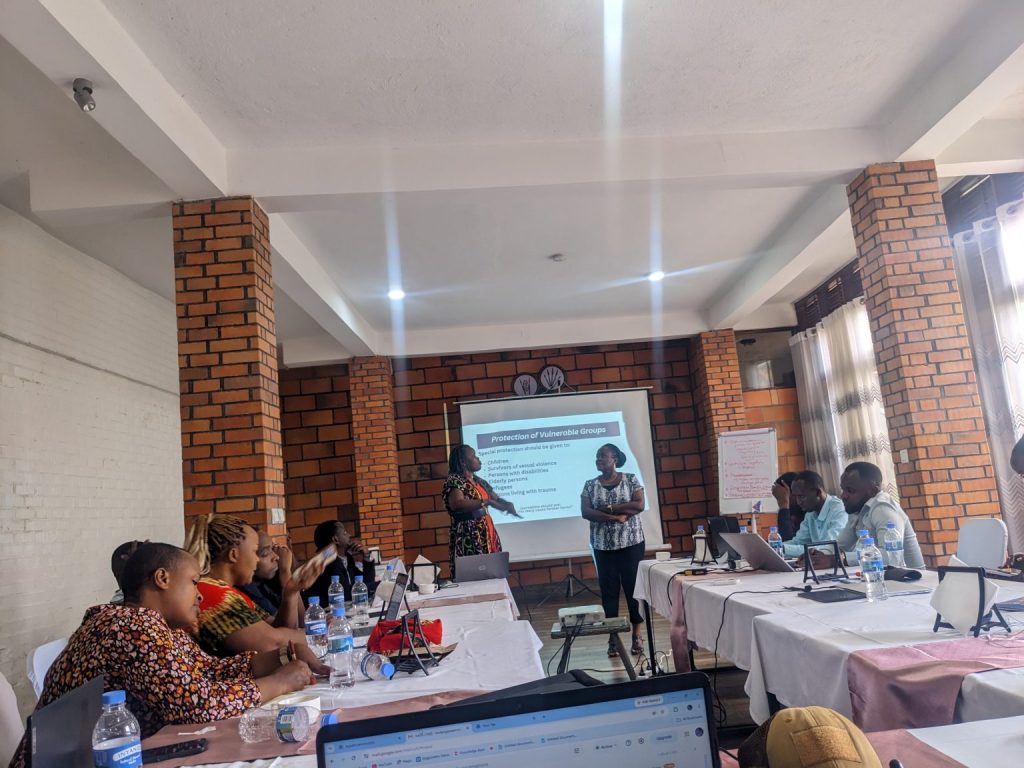
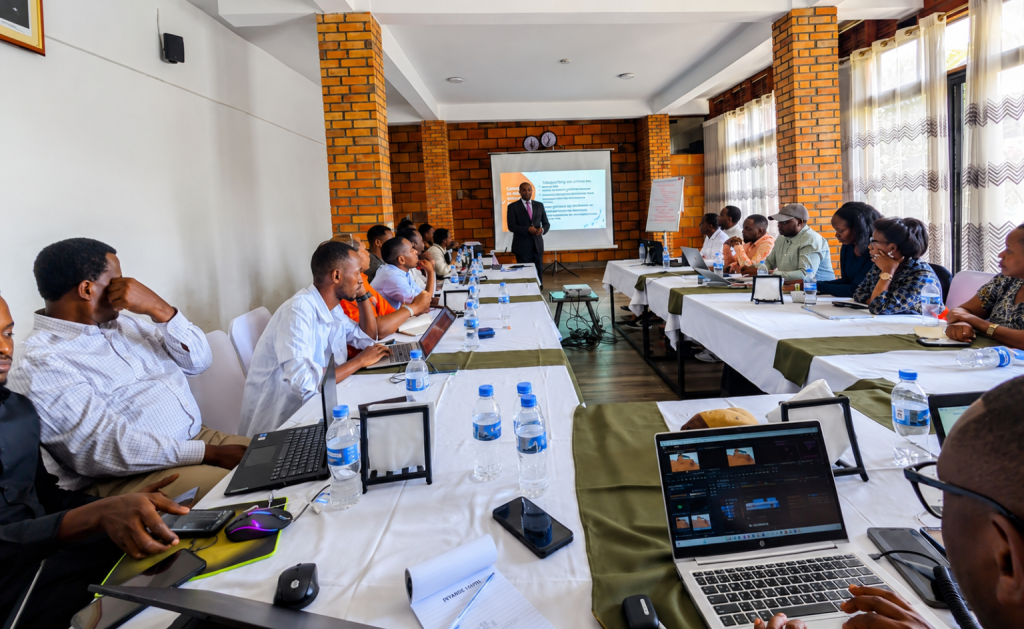
The call was made during a three-day training on Crime Reporting organized by Fojo Media Institute in partnership with AFRI-MEDIA Ltd, held from July 22 to 24, 2026, at TR5 Resort Hotel in Runda, Kamonyi District.
The training brought together journalists from different media organizations in Rwanda to strengthen their skills in reporting crime and justice stories while respecting professional ethics, legal requirements and public interest principles.
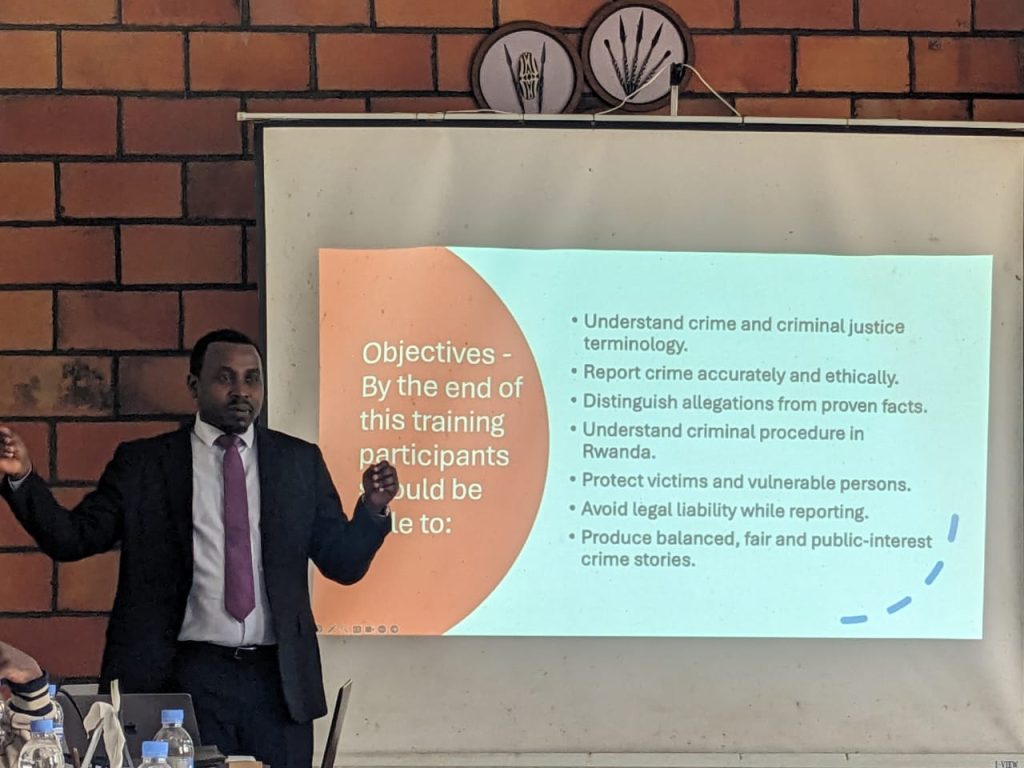
The sessions focused on helping journalists produce accurate and balanced reports, verify information before publication, protect victims and vulnerable sources, respect the rights of suspects and ensure that crime reporting does not interfere with justice processes.
Me Jean Paul Ibambe, a legal expert and specialist in media law who facilitated the training, reminded journalists that their responsibility is to inform the public rather than take over the role of justice institutions.
“A journalist is not a criminal investigator, not a prosecutor, not a judge, and not a court official. A journalist’s work is to provide information, not to make decisions or pass judgment,” Ibambe said.
He warned that rushing to identify someone as a criminal before a court decision can damage a person’s reputation and violate the principle that everyone is presumed innocent until proven guilty.
Ibambe said journalists should be careful when reporting allegations, investigations and accidents, noting that conclusions should only be made after confirmation from relevant authorities.
Using road accidents as an example, he explained that the fact that a person is involved in a crash does not automatically prove the cause of death.
“Some people are hit by vehicles and survive. The cause of death can only be confirmed after medical examination. When a journalist quickly states what caused someone’s death before it is confirmed by competent authorities, it becomes a professional mistake,” he said.
Ibambe also reminded journalists that reporting on criminal cases requires responsibility beyond the initial publication.
He said when journalists publish names, photographs or other identifying information about suspects, they should also follow up and report the final outcome of the case.
According to him, publishing only information about an arrest or allegations without reporting the final court decision may leave a person with a damaged reputation, even if they are later found innocent.
“Journalists should not only report when someone is arrested and then stop following the case. They should continue until the justice process reaches its conclusion,” he said.
He encouraged journalists to give all sides an opportunity to respond, verify information before publication and avoid language that suggests they support one side of a dispute.
Jean Baptiste Micomyiza, a journalist with more than 20 years of experience, encouraged journalists to ensure that their reports are based on facts, evidence and proper verification.
He said professional journalism requires accuracy and discipline, warning journalists against adding personal opinions, removing important details or allowing emotions to influence their work.
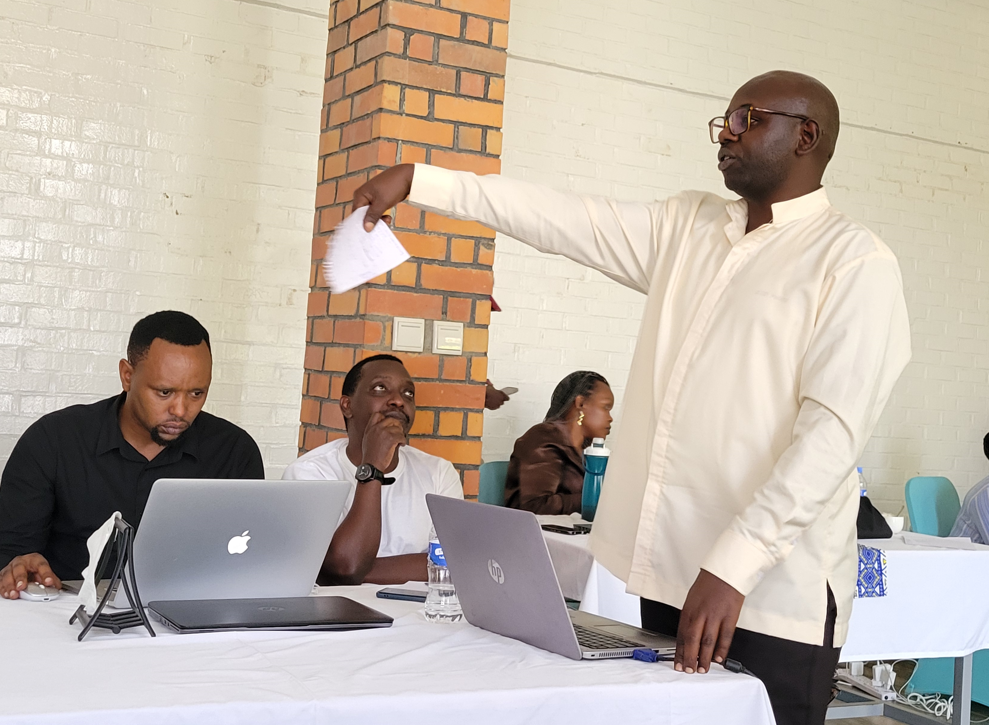
Micomyiza also addressed the increasing use of the term “advocacy stories” in some newsrooms, saying such content can create challenges because advocacy normally involves supporting a particular person, group or cause.
He explained that stories about people seeking justice, medical assistance or support during difficult circumstances can be published, but journalists should be careful not to present them as neutral reporting if they are taking a particular position.
“When you call it advocacy, it becomes something different. You cannot do advocacy without taking a side. A journalist must remain in the middle and work in the public interest,” Micomyiza said.
He added that journalists should obtain consent from people featured in such stories, especially when reporting about children or vulnerable individuals.
Micomyiza also cautioned journalists against promising sources that publication of a story will automatically solve their problems.
He said journalists’ responsibility is to report issues accurately, not to determine how those issues should be resolved.
Micomyiza further emphasized that journalists must protect the dignity and rights of everyone mentioned in their reports, including victims, suspects and people accused of crimes.
“A journalist must use language that respects human dignity and avoid expressions that insult or degrade people, because even a person accused of a crime remains a human being,” he said.
He added that crime reporting should be fair regardless of a person’s social or economic background, saying the same standards should apply whether an offense involves a wealthy person or someone from a vulnerable community.
Marie Louise Uwizeyimana also reminded journalists to carefully handle sensitive stories to avoid creating the impression that they are supporting one side.
She urged reporters to avoid language that may create unnecessary fear and to pay special attention to protecting the rights of children and people with disabilities.
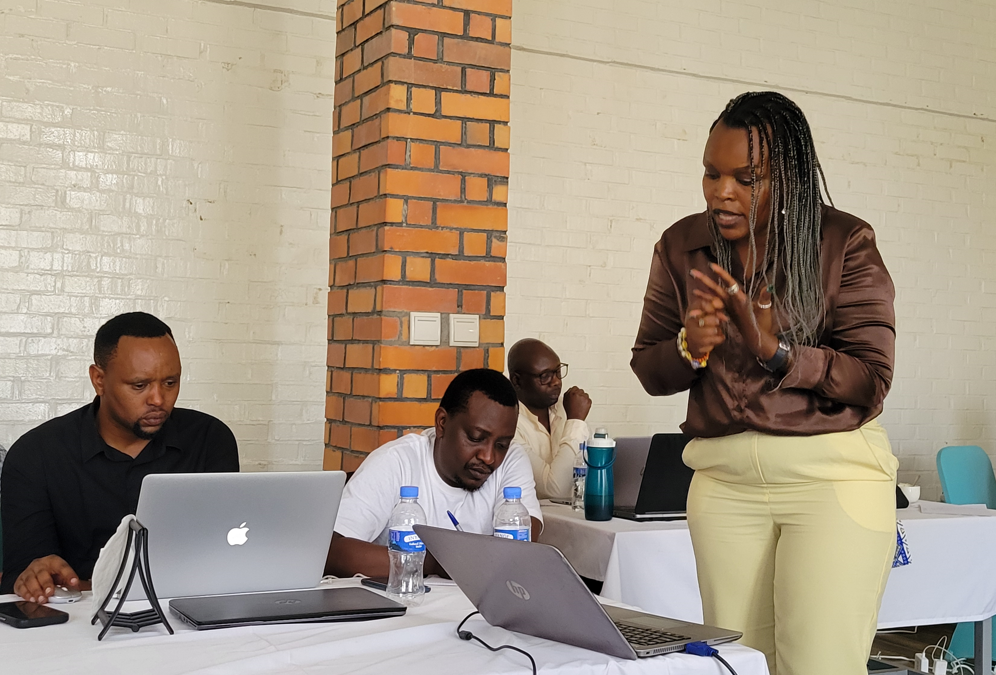
“Journalists must avoid making audiences think that they are taking sides. They should respect human rights, especially the rights of children and people with disabilities,” Uwizeyimana said.
She also warned journalists to be cautious when receiving money or making commitments linked to stories, saying such situations may create pressure for journalists to influence outcomes instead of reporting independently.
Journalists who attended the training said the knowledge gained would help them improve the quality of their crime and justice reporting.
They said the pressure to publish breaking news sometimes leads journalists to release information before it is fully verified or to use language that suggests a suspect has already been convicted before the court reaches a decision.
Participants said the training reinforced the importance of hearing from all sides, checking facts, choosing words carefully and following legal cases until their final conclusion.
They expressed confidence that the lessons learned would help them produce more accurate, balanced and responsible reports that serve the public interest.
The organizers said strengthening journalists’ understanding of crime reporting ethics is essential in ensuring that the media contributes to justice, accountability and public awareness while respecting the rights of all individuals.