

Rwanda records about 600 teenage pregnancies every day, or more than 23,000 cases annually, Health Minister Dr. Sabin Nsanzimana said, warning that the rate has increased in recent years.
Nsanzimana made the remarks during a youth forum focused on accelerating efforts to prevent and eliminate teenage pregnancies. He said the prevalence rate has risen from about 5% in 2024 to 8% in 2025.
He described adolescence as a transition period between childhood and adulthood, saying poor choices during this stage can have long-term consequences on health and future well-being.
The minister urged parents and teachers to support, rather than stigmatize, girls who become pregnant.
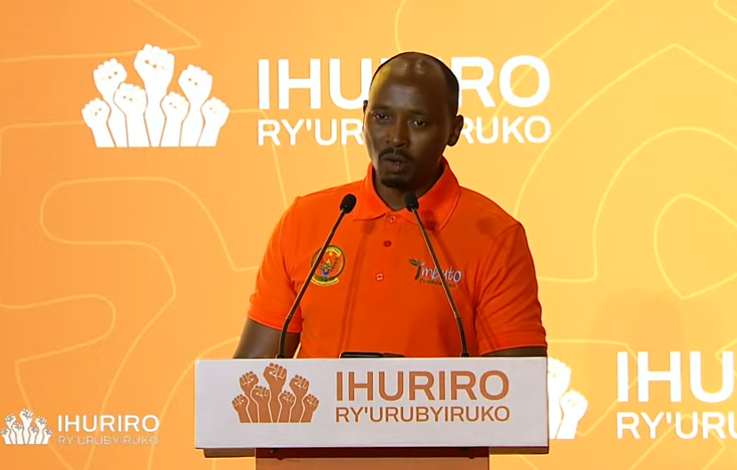
“Parents, when a child faces this problem, you face it together. It is not a time to insult them. You share the problem,” Nsanzimana said. “Teachers, if a student becomes pregnant while at school and you expel her, you have not helped her.”
He warned that pregnant teenagers face a higher risk of maternal death due to their physical immaturity.
“No one should die while giving life, but these outcomes must be prevented,” he said.
Nsanzimana said children born to teenage mothers are more likely to be born prematurely and face long-term health risks, including stunting. He said about one-third of stunted children are born to teenage mothers.
He also said girls who drop out of school are five times more likely to become pregnant during adolescence.
The minister cited misinformation among young people as another contributing factor, including false beliefs about sexual health and pregnancy risks.
Nsanzimana also pushed back against claims that adults are solely responsible for teenage pregnancies, saying adolescents themselves also play a role alongside older partners.
He said peer pressure in schools and communities, as well as sexual violence, also contribute to the problem.

To address the issue, he called for universal completion of secondary education for girls and improved access to health services for adolescents, including open discussions on sexual and reproductive health.
He said better education and accurate information are essential to preventing teenage pregnancies and reducing related health risks.