
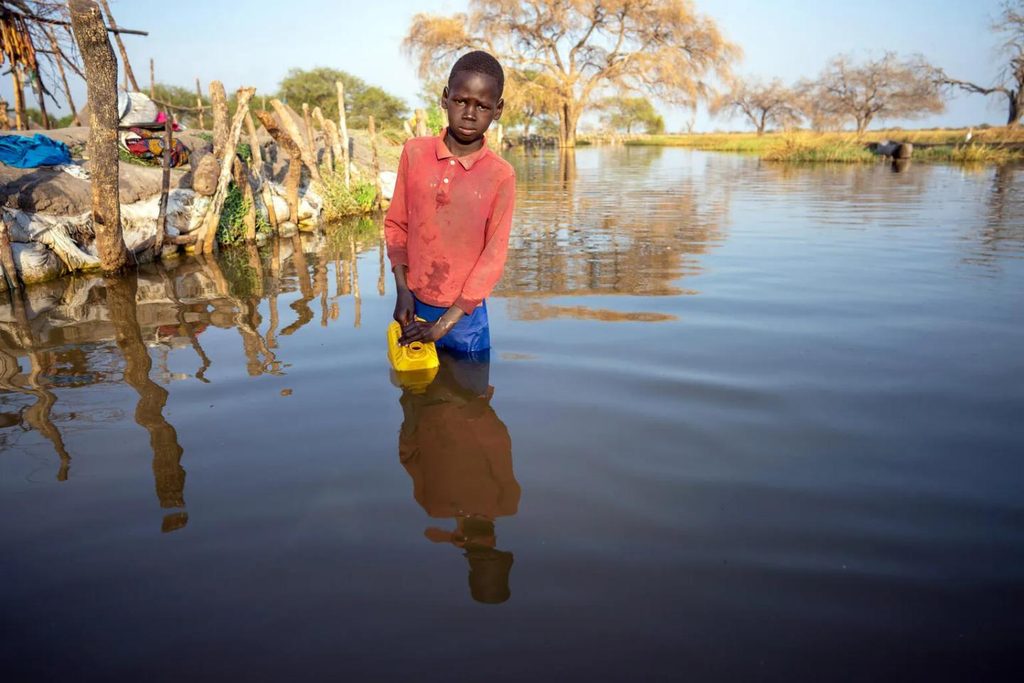
About 8 million children in six East and Southern African countries could face crisis-level hunger or worse by early 2027 as a powerful El Niño weather pattern threatens to worsen drought, flooding and food insecurity, Save the Children said.
The organisation’s analysis of recent data from the Integrated Food Security Phase Classification (IPC) estimates that the number of people facing IPC Phase 3 or worse hunger in Madagascar, Malawi, Mozambique, Zambia, Uganda and Kenya could rise from 12.6 million currently to 16.4 million by March 2027.
That would represent an increase of about 30%. The number of children facing severe food shortages in the six countries is expected to rise from about 6 million to 8 million, according to Save the Children.
Uganda is projected to have the largest number of people facing acute food insecurity, at 4.4 million by early 2027, a 22% increase from current levels. In the Karamoja region, the number of people facing crisis or emergency food insecurity has already increased by more than 40%.
Zambia is expected to see the sharpest deterioration, with crisis-level hunger forecast to rise by 80% to more than 1.2 million people.
Madagascar, Mozambique and Malawi are projected to record increases of 75%, 55% and 35%, respectively.
Kenya is expected to see an overall improvement in food security by early 2027, although the situation among refugees is forecast to worsen because of El Niño-related flooding.
Save the Children said the weather shock is likely to compound existing problems including conflict, displacement, economic instability and cuts in humanitarian funding.
Yvonne Arunga, the organisation’s regional director for East and Southern Africa, said children without adequate nutritious food face increased risks of malnutrition, illness and missing school.
She urged governments and donors to act before the effects of droughts and floods intensify, saying early intervention can protect livelihoods and reduce the need for larger humanitarian responses later.
The analysis did not include Somalia, where new hunger data is expected soon. The country has already been identified as vulnerable to El Niño-related flooding.