
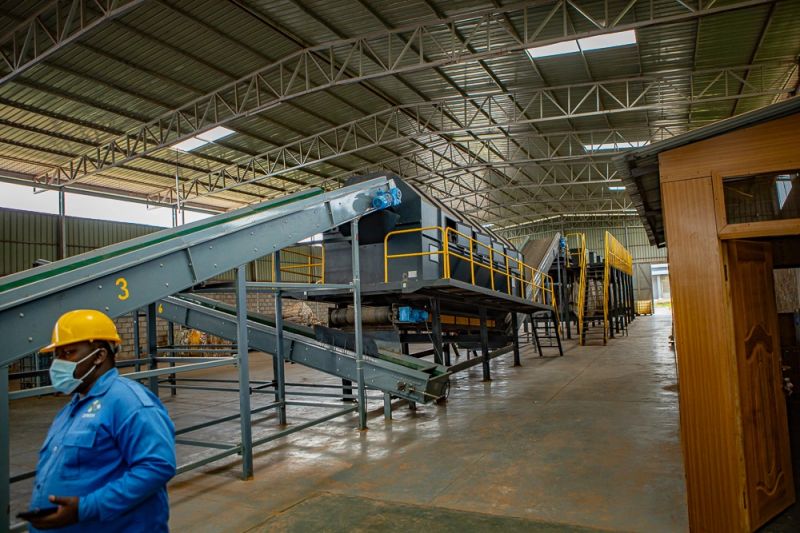
A hazardous waste storage facility in Kigali is 83.93% complete as Rwanda moves to strengthen the safe handling and disposal of toxic materials, the Rwanda Environment Management Authority said.
The facility, located in Nduba Sector, Gasabo District, is expected to provide temporary storage for hazardous waste before it is transported to specialised facilities for treatment or final disposal.
Construction began in July 2025 after preparatory studies and engineering designs were completed.
The facility will handle waste from industries, hospitals, farms, laboratories, households and construction sites, including chemicals, pesticides, batteries, medical waste, used oil and electronic waste.
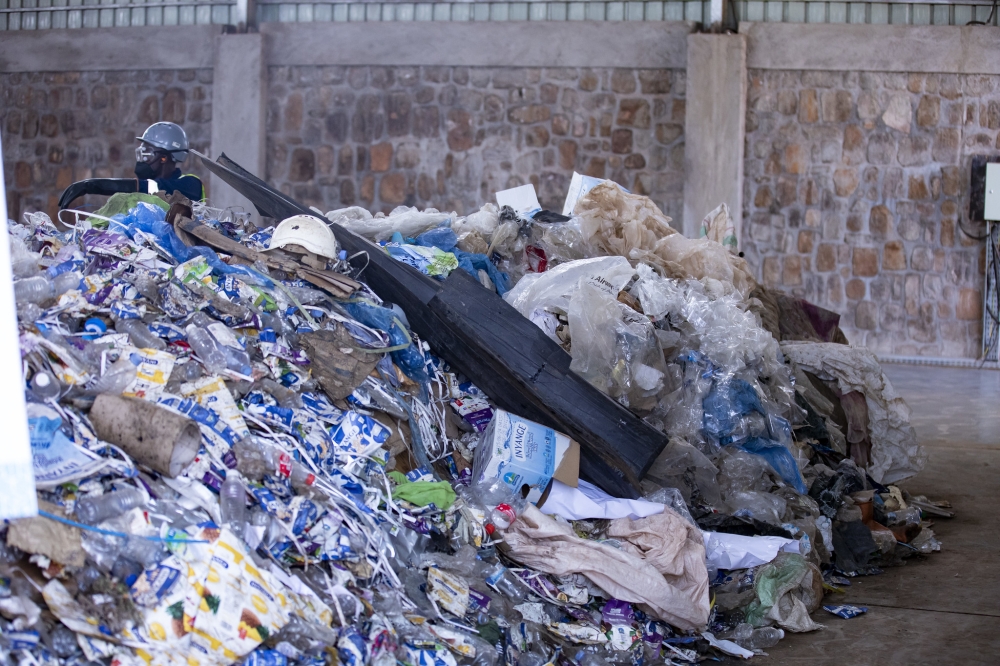
Once operational, it will have the capacity to receive 601.84 tonnes of hazardous waste annually, equivalent to about 50 tonnes a month.
The project is part of the Decoupling Hazardous Waste Generation from Economic Growth in Rwanda initiative, which runs through 2027 and requires 6.9 billion Rwandan francs in financing.
The initiative, implemented by REMA in collaboration with the United Nations Development Programme and the Global Environment Facility, seeks to reduce hazardous waste generation while promoting reuse, recycling and recovery and expanding national treatment capacity.
Waste management expert Paulin Buregeya said the facility could help address challenges faced by waste collectors handling hazardous materials.
“We were facing a challenge of getting a place for hazardous waste disposal,” he said, warning that leaving hazardous materials in homes or transporting them to ordinary landfill sites could expose people to health risks.
REMA has also been collecting expired chemicals from schools. A 2024 assessment of 197 secondary schools identified 26,981.46 kilograms of expired chemicals requiring disposal. Another 15.1 tonnes were found in higher learning and research institutions.
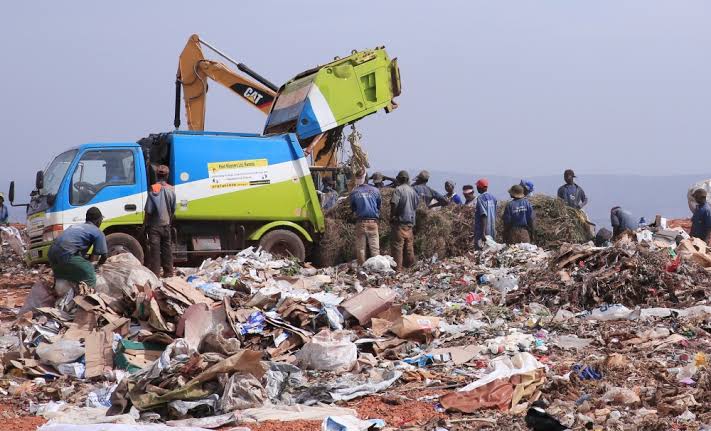
Authorities are also working to manage other hazardous substances, including PCB oil, pesticides, mercury-containing waste and persistent organic pollutants.
Buregeya called for greater private-sector involvement in developing treatment and processing facilities alongside the storage site.