
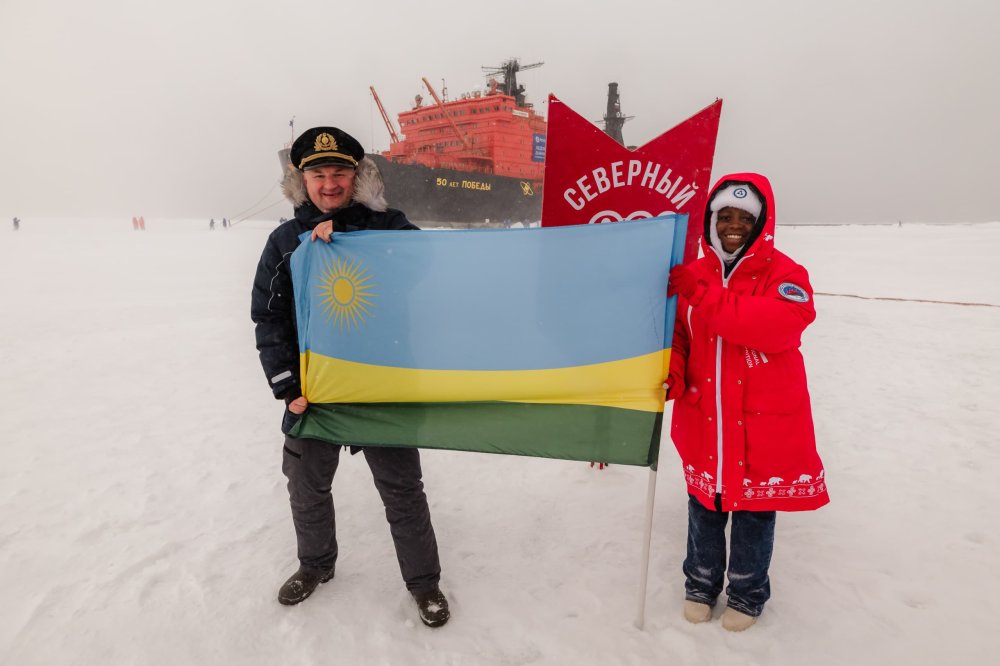
Rwandan student Izere Louise has completed a 10-day scientific expedition to the North Pole aboard a Russian nuclear-powered icebreaker, becoming the first Rwandan to make the journey, according to Rosatom.
Izere was among young science enthusiasts aged 14 to 16 selected from 22 countries for the seventh edition of Rosatom’s international Icebreaker of Knowledge expedition.
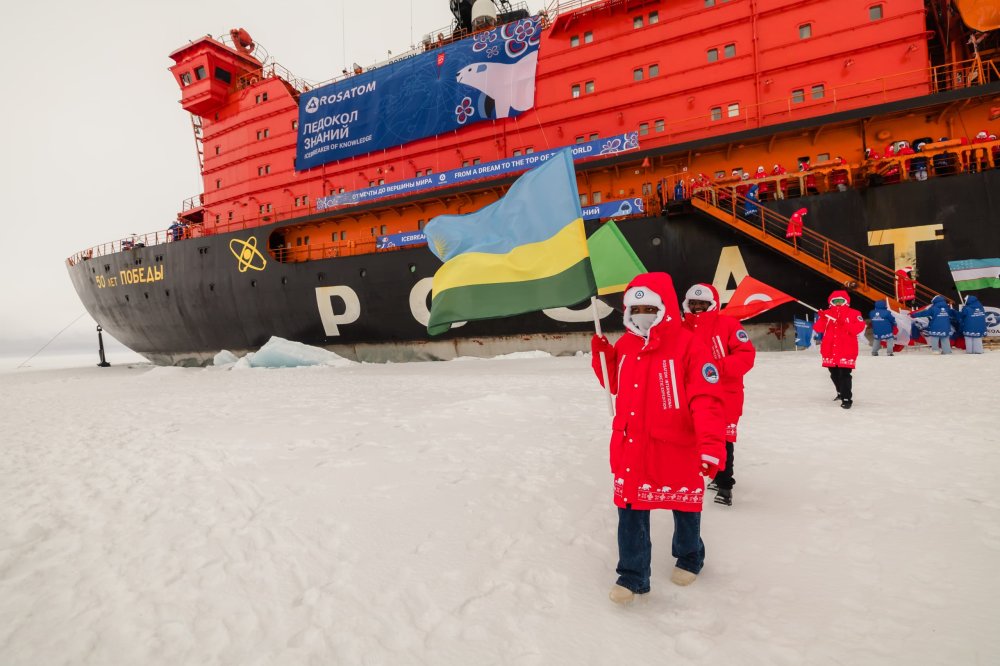
The expedition ended Aug. 13 after the 50 Let Pobedy icebreaker travelled from Murmansk to the North Pole and Franz Josef Land before returning to Murmansk.
The voyage was also the vessel’s 200th trip to the North Pole.
For Izere, the expedition was an opportunity to represent Rwanda while gaining practical experience in scientific research and meeting students from other countries.
“Reaching the North Pole is something I will never forget,” Izere said. “Seeing the vast ice landscapes and glaciers with my own eyes made me realize that there is still so much about our planet that needs to be discovered.”
She said the experience also encouraged her to think more ambitiously about her future.
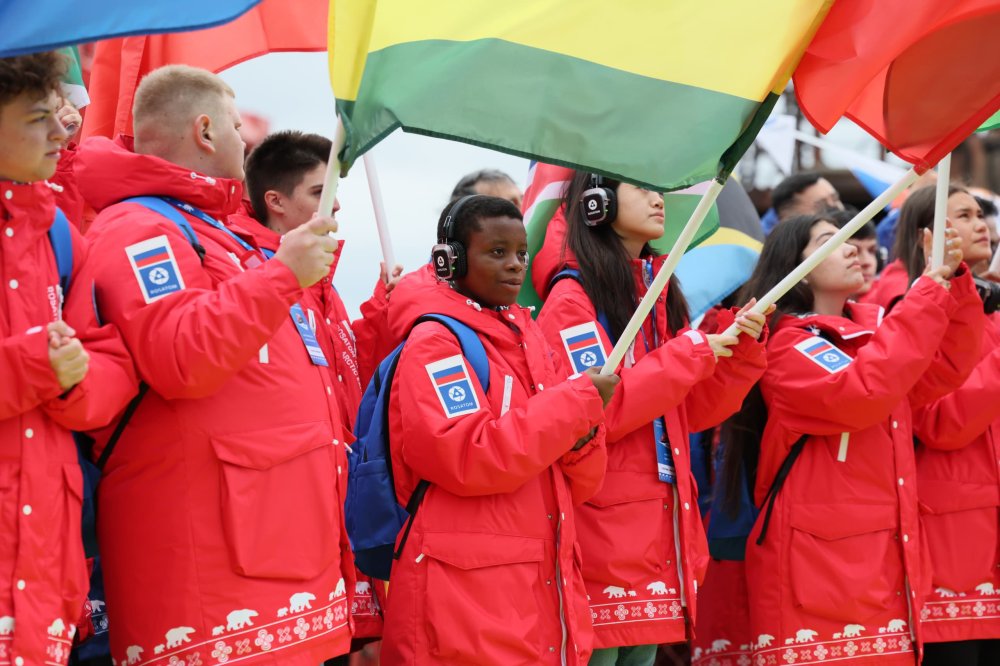
The students worked with scientists during the expedition on research activities, including launching a radiosonde, an instrument used to collect atmospheric data in remote areas.
Yegor Plakhotnyuk, head of projects at Rosatom’s Research Institute of Technical Physics and Automation, said giving young people direct exposure to scientific work was important in encouraging future careers in science and technology.
“Every day at Rosatom, we work on things that once seemed impossible in science,” Plakhotnyuk said.
Ruslan Sasov, captain of the 50 Let Pobedy, said the crew welcomed the programme because such expeditions help expose young people to science and encourage them to pursue their ambitions.
Many of the students had dreamed of reaching the North Pole and seeing polar bears, he said.
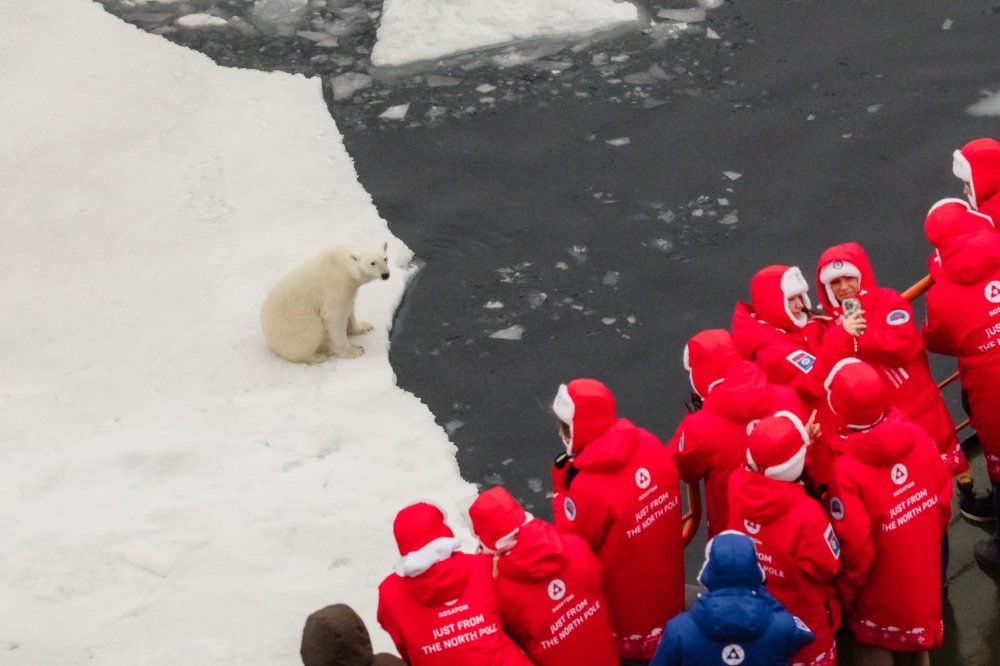
About 5,000 students from 22 countries competed for places in the international selection process. Participants came from Rwanda, Namibia, Egypt, South Africa, Armenia, Bangladesh, Belarus, Bolivia, Brazil, Hungary, Vietnam, India, Indonesia, Kazakhstan, China, Kyrgyzstan, Mongolia, Myanmar, Serbia, Tanzania, Turkey and Uzbekistan.
The Icebreaker of Knowledge programme seeks to promote interest in environmental science and nuclear technology, identify talented young people, develop their skills and expose them to potential careers in science and technology.
For Rwanda, Izere’s participation also comes against the backdrop of growing cooperation with Russia in nuclear education and workforce development.
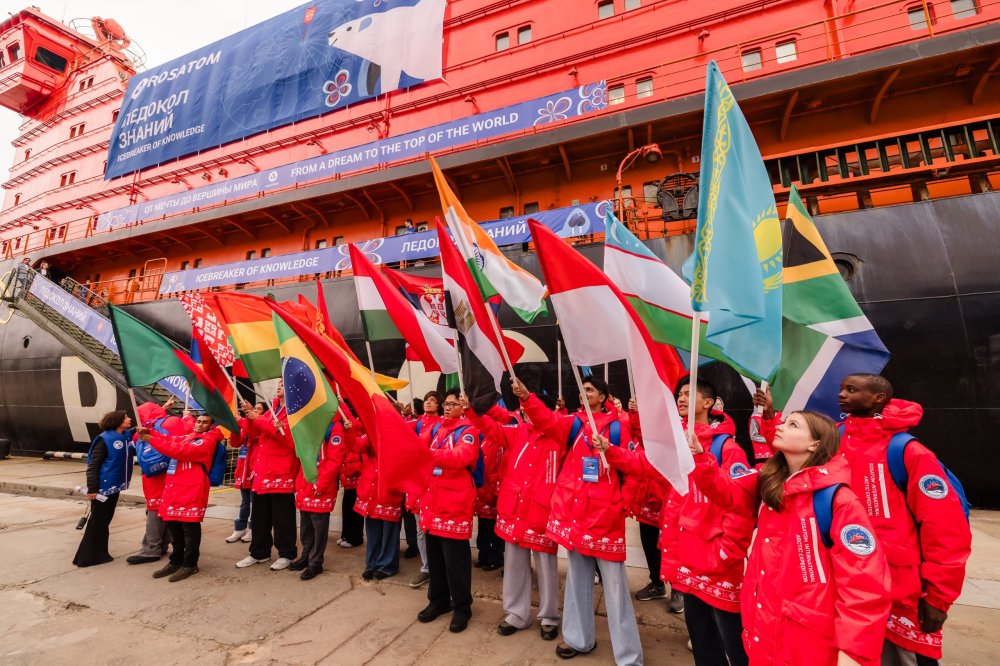
Rwanda and Rosatom have cooperated in the area since 2019, when the two sides signed an agreement on human-resource development.
According to Rosatom, 18 Rwandans who studied nuclear energy-related fields at Russian universities now work in Rwanda in nuclear energy and related sectors.
Nine Rwandan students graduated from Russia’s National Research Nuclear University MEPhI in 2025.
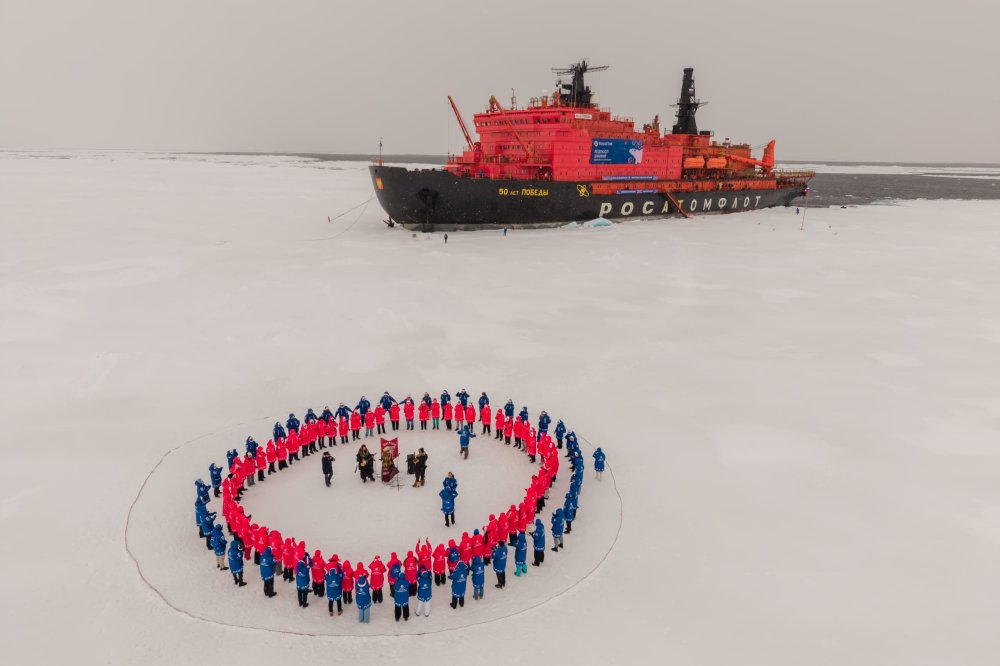
For the 2026-27 academic year, Rosatom has allocated 20 places for Rwandan students to study nuclear energy and related fields at Russian universities.