
Morocco warned Spain that a recent court ruling restricting the rapid return of some migrants arriving by sea could create problems, a senior Moroccan official said, days after tens of thousands of people entered the Spanish enclave of Ceuta from Moroccan territory.
The official said Rabat raised concerns with Spanish authorities in late July after online networks began discussing the ruling, which Spain’s Supreme Court issued on July 8.
“We discussed this ruling and its impact. We explained that this ruling was going to create a problem. And it did create a problem,” the official said on Monday, speaking on condition of anonymity.
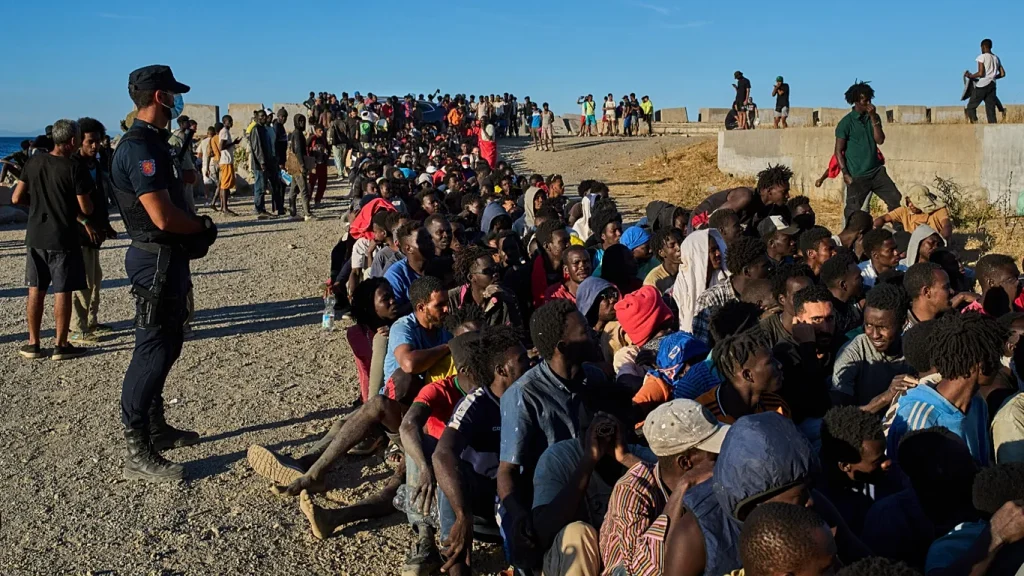
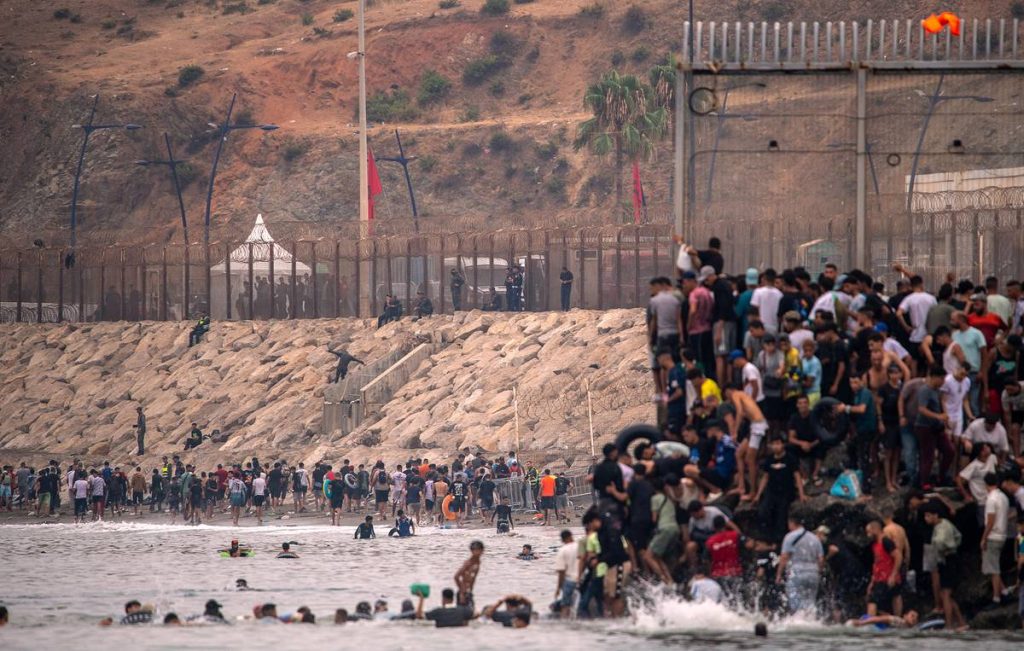
The warning came after at least 50,000 people, mostly Moroccans, crossed into Ceuta, a Spanish-administered enclave in North Africa, by foot or by swimming from the nearby Moroccan city of Fnideq. The sudden influx overwhelmed local authorities before thousands of migrants were returned to Morocco.
Spain’s government has said criminal networks spread misinformation about the court decision, creating the impression that migrants arriving by sea would be allowed to remain in Spain.
Spanish government spokeswoman Elma Saiz rejected Morocco’s claim that Madrid had been warned about the scale of the possible movement, saying there was no evidence or information indicating an event of such magnitude was coming.
The Moroccan official defended his country’s response, saying the crisis was not simply a failure of border control. He argued that the number of people involved and the influence of online rumours made the situation difficult to manage.
“It is simplistic to say that Morocco should just have used force to stop them,” he said, adding that migration management required cooperation between both countries.
The official said Morocco spends about €500 million annually managing migration issues and stressed that Rabat and Madrid remained committed to working together.
The Ceuta crisis has renewed debate over migration policies, border management and the challenges facing European and North African countries in responding to sudden movements of people.