

Rwanda’s government is moving to strengthen oversight of industrial activities by inspecting factories operating in residential areas and introducing a new annual fee to help maintain infrastructure in designated industrial parks.
The measures were announced on Aug. 3, 2026, when the government presented its plans to the Senate on improving infrastructure in industrial zones and addressing challenges affecting manufacturers across the country.
The Ministry of Trade and Industry said factories found to be operating in locations that threaten residents’ health and safety could be relocated or shut down following inspections.
The announcement followed concerns raised by Senator Evode Uwizeyimana over small factories operating in Kanzenze Sector of Bugesera District, where some industries have been established within residential communities.
“Who authorizes these people to operate when these factories were not built in designated areas?” Uwizeyimana asked.
The senator said factories operating near homes could affect residents’ quality of life and also raised concerns about unreliable water supply for industries, noting that shortages often become more severe during the dry season.
Responding to the concerns, Trade and Industry Minister Antoine Marie Kajangwe said the government was aware of cases where people had converted residential buildings into factories, affecting neighboring communities.
“Some people are taking buildings where they live and turning them into factories that disturb their neighbors. In the inspections we plan to conduct, we will identify where these factories are located and require them to relocate their activities,” Kajangwe said.
He said the government would address the issue gradually, depending on available resources, but did not provide a specific timeline for relocating factories currently operating in residential areas.
New industrial park maintenance fee
Alongside the inspection plan, the government announced that businesses operating in industrial parks will begin paying an annual infrastructure maintenance fee from January 2027.
Under the new arrangement, investors will pay US$1 per square meter of land occupied each year. The money will be used to repair, upgrade and maintain infrastructure within industrial parks.
The fee means a company occupying 1,000 square meters of land would pay US$1,000 annually.
Kajangwe said the funds would be managed through a dedicated account to ensure they are properly used to support infrastructure maintenance and reduce the financial burden on the government.
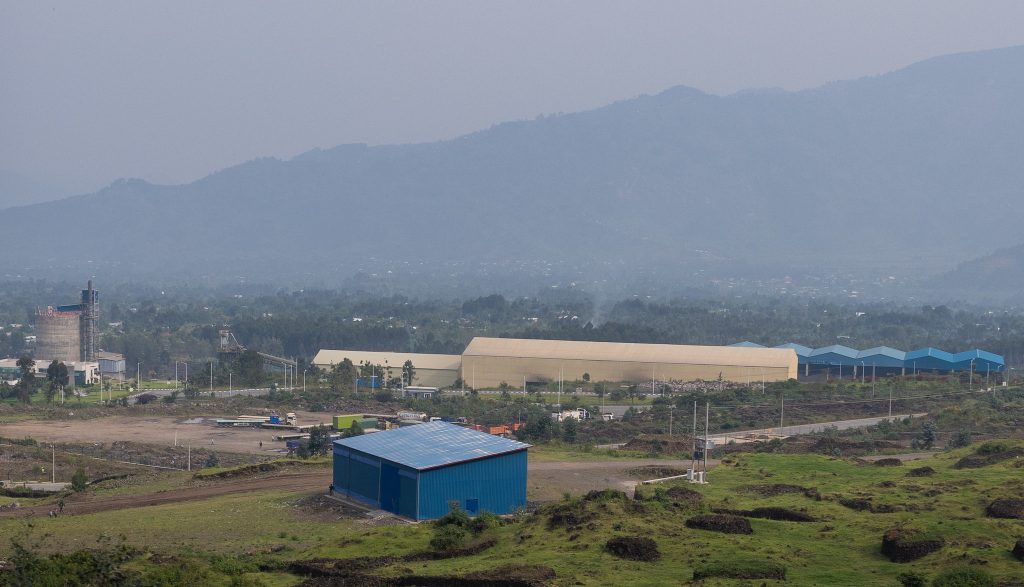
The initiative will initially focus on industrial parks in Muhanga, Rwamagana and Musanze.
The government said industrial parks in Rwamagana, Muhanga, Musanze and Bugesera are among those expected to receive improved infrastructure under Rwanda’s second National Strategy for Transformation (NST2), aimed at strengthening economic growth and industrial competitiveness.
According to Kajangwe, the selected industrial zones are strategically located near Kigali, making it easier for manufacturers to transport products to local and international markets.
The new maintenance contribution was welcomed by senators, who said it would help extend the lifespan of industrial infrastructure and improve working conditions for businesses.
Senator Amandin Rugira said the proposed fund would provide a sustainable way of maintaining and upgrading industrial facilities.
“The establishment of a fund responsible for repairing and upgrading infrastructure through the one-dollar-per-square-meter contribution is something that will help ensure infrastructure lasts,” Rugira said.
Health concerns linked to factories near homes
Authorities have repeatedly emphasized that industrial activities should be carried out in designated areas to protect communities and reduce environmental risks.
Factories operating near residential areas can expose residents to pollution from industrial emissions, waste, noise and unpleasant odors. Such activities may contribute to respiratory problems, contaminate water sources and affect agricultural activities.
Residents living close to factories may also face increased risks in case of industrial accidents, including fires or the release of hazardous substances.
The government’s latest measures are aimed at balancing industrial growth with public safety by ensuring factories operate in appropriate locations while improving the infrastructure needed to support manufacturers.