
Lawmakers on Thursday renewed calls for the government to establish a dedicated Agricultural and Livestock Bank, saying limited access to credit continues to constrain farmers and livestock keepers despite existing financing programs, as Prime Minister Justin Nsengiyumva outlined the government’s economic priorities and defended its strategy for supporting key sectors.
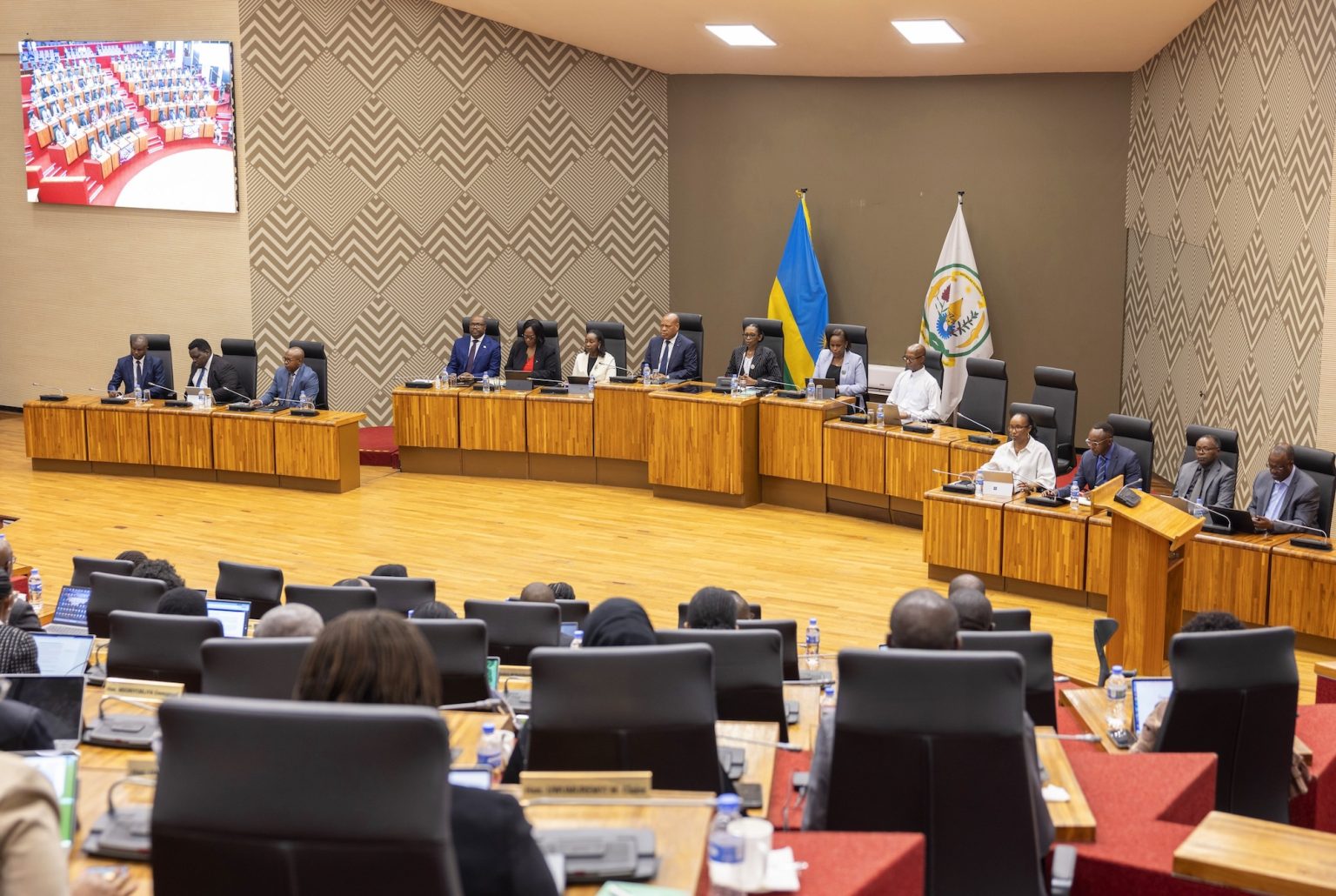
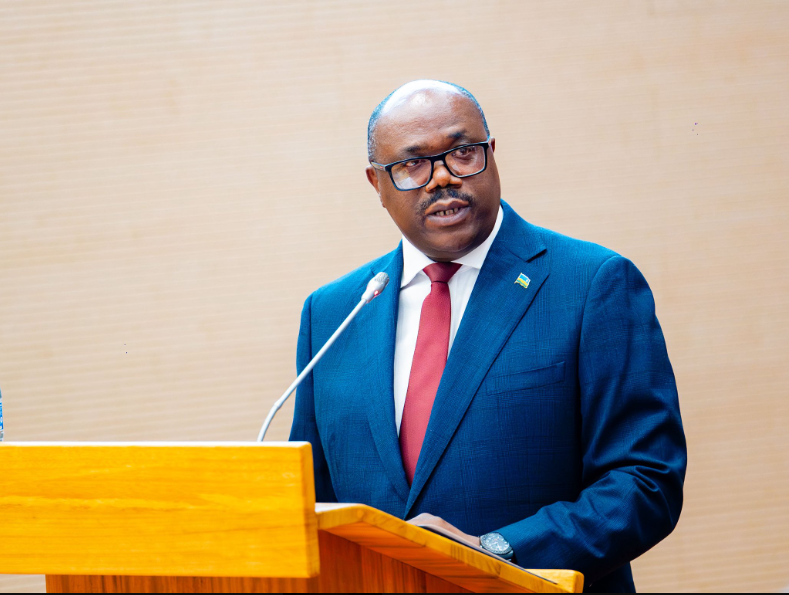
The issue emerged during a joint sitting of the Chamber of Deputies and the Senate, where Nsengiyumva presented the government’s progress in strengthening economic resilience and improving citizens’ welfare.
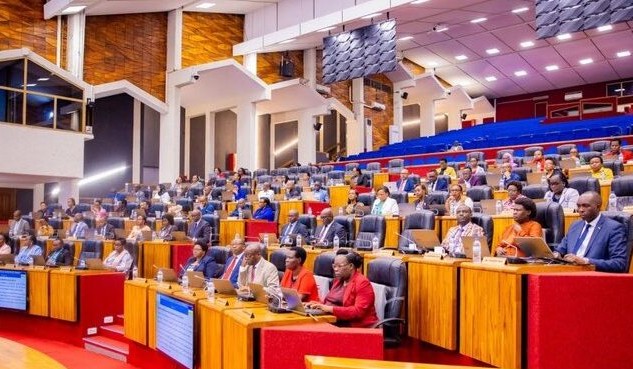
Members of Parliament argued that commercial banks and other financial institutions remain reluctant to finance agriculture because of the sector’s exposure to climate-related risks, making it difficult for farmers to secure affordable loans needed to increase production under the Second National Strategy for Transformation (NST2), which targets average annual agricultural growth of 6%.
MP Nizeyimana reminded the government that Parliament had previously recommended the creation of an Agricultural and Livestock Bank to address the financing gap.
“The proposal came after recognizing that many banks are reluctant to provide loans to the sector because of the risks it faces, particularly those associated with natural disasters,” he said. “Where does the government stand on implementing this recommendation?”
MP Marie Thérèse Uwizeye said farmers and financial institutions remain caught in a cycle of mistrust, with banks hesitant to lend because of the risks involved and many farmers reluctant to borrow for fear they may not be able to repay the loans.
She called on the government to strengthen mechanisms that would reduce lending risks while expanding access to financial services for farmers and livestock keepers.
Responding to lawmakers, Nsengiyumva said the government is expanding existing financing mechanisms while working with the Ministry of Finance and Economic Planning and the Ministry of Agriculture and Animal Resources to improve access to credit.
He said the Development Bank of Rwanda (BRD) already provides financing that supports agricultural investment and remains central to the government’s efforts to increase lending to the sector.
Agriculture Minister Telesphore Ndabamenye said discussions on establishing a dedicated Agricultural and Livestock Bank are continuing, but the government believes BRD can already perform many of the functions such an institution would be expected to provide.
“Some believed that creating an Agricultural and Livestock Bank was the only solution,” Ndabamenye said. “But from our discussions with the Ministry of Finance, we see that BRD has the capacity to address many of the financing challenges facing farmers and livestock keepers.”
He said BRD is supporting the sector through several financing initiatives, including the World Bank-funded Commercialization and De-risking for Agricultural Transformation (CDAT) project, which offers loans at an 8% interest rate through participating financial institutions.
According to the minister, the project works with eight commercial banks, seven microfinance institutions and 16 savings and credit cooperatives, channeling more than Rwf55 billion into agricultural lending.
More than 2,500 farmers and livestock keepers have benefited from the financing so far, although Ndabamenye acknowledged that demand remains far greater than the support currently available.
He said the government also shares lending risks with financial institutions by guaranteeing up to 40% of potential losses on agricultural loans, a measure intended to encourage banks to lend more to the sector.
“We still see significant room to expand agricultural financing through BRD,” Ndabamenye said. “As we continue evaluating the results and the challenges, that analysis will help determine whether additional measures, including a dedicated agricultural bank, are necessary.”
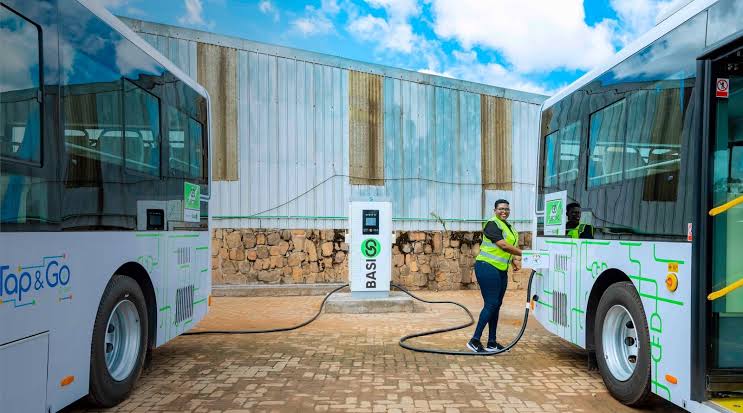
The parliamentary session also turned to Rwanda’s transition to electric mobility, with lawmakers raising concerns over the shortage of technicians qualified to service electric and hybrid vehicles.
Some legislators warned that vehicle owners could face long delays if their cars develop faults requiring expertise that is still scarce in the country.
Nsengiyumva said the government is working with Technical and Vocational Education and Training (TVET) institutions to prepare mechanics for the growing market.
“We are working with TVET institutions so that this challenge is addressed, and we are confident the training will produce results,” he said.
The prime minister also told lawmakers that Rwanda’s economy continues to demonstrate resilience despite global economic pressures.
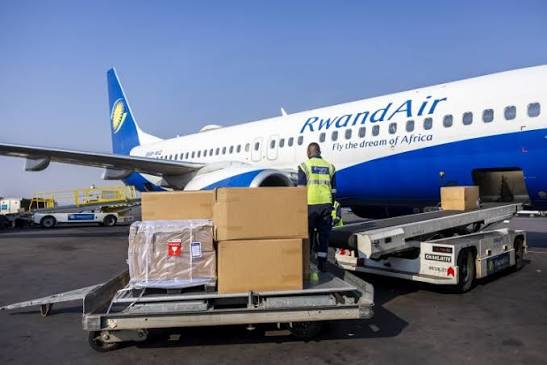
He said the country’s trade deficit narrowed by 13.8% in the first quarter of 2026 to $633 million, down from $734 million during the same period last year, driven by a 42% increase in exports compared with an 11.7% rise in imports.
According to Nsengiyumva, stronger export performance and reforms in the domestic foreign exchange market have helped maintain the stability of the Rwandan franc.
“Over the past 18 months, the Rwandan franc has remained broadly stable, depreciating by less than 1% over the last six months,” he said. “This shows that our policies to promote exports and accelerate industrial development are continuing to produce positive results.”
The discussions reflected lawmakers’ continued focus on ensuring that government policies translate into practical solutions for farmers, workers and businesses as Rwanda pursues its broader economic transformation agenda.