
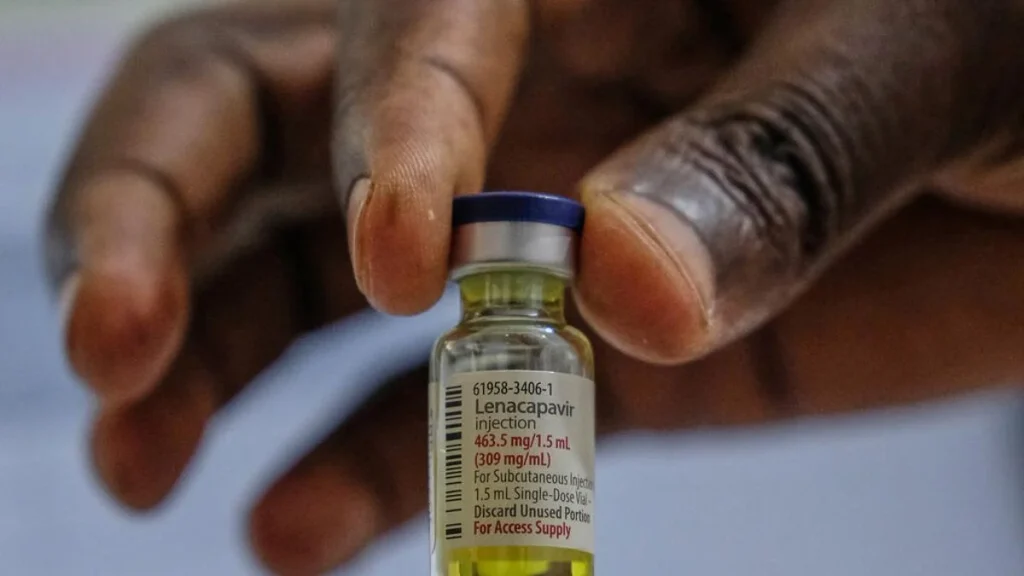
Rwanda will begin offering a long-acting HIV prevention injection on December 1, giving eligible people an additional option to reduce their risk of infection for up to six months.
The drug, Lenacapavir, marketed as Yeztugo, will initially be available at 12 selected health centres across the country, according to the Rwanda Biomedical Centre (RBC). The rollout will coincide with World AIDS Day.
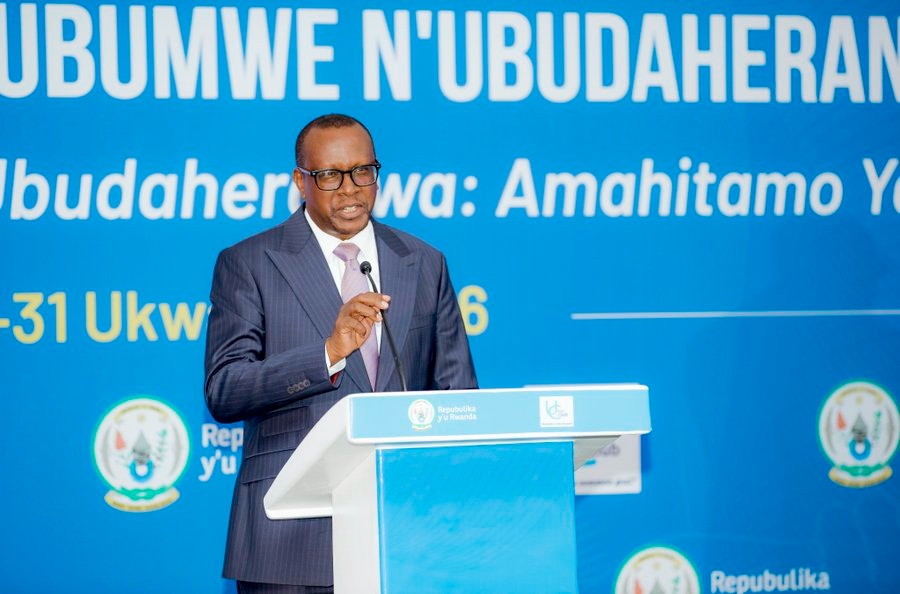
Dr Zephanie Nzeyimana, an RBC official responsible for HIV prevention among people at higher risk of infection, said that the medicine arrived in Rwanda on November 3 and would be provided free of charge.
Lenacapavir will complement existing prevention options, including daily oral pre-exposure prophylaxis (PrEP) and the injectable drug Cabotegravir. It is administered twice a year, unlike daily PrEP pills.
The first phase will prioritise sex workers, men who have sex with men and HIV-negative people whose partners are living with the virus.
Nzeyimana said the injection would be free regardless of recipients’ financial circumstances, although some related health services could attract charges depending on their insurance coverage.
“Lenacapavir will be provided alongside daily oral PrEP, which will remain available, as well as another injectable drug called Cabotegravir. However, those receiving Lenacapavir will be selected based on their risk of HIV infection,” he said.
12 health centres selected
In Kigali, the selected facilities are Remera and Kacyiru in Gasabo District, Kabusunzu in Nyarugenge and Gikondo in Kicukiro.
The Eastern Province facilities are Mukarange and Nyamata, while Rubengera and Gisenyi have been selected in the Western Province.
In the Northern Province, the injection will be available at Muhoza and Kinigi health centres. Gitarama and Rango are the selected facilities in the Southern Province.
RBC figures for 2025 indicate that about 234,000 people in Rwanda are living with HIV. Prevalence among people aged 15 to 49 has declined to 2.2%, from 2.7% in previous years.
The rate stands at 2.8% among women and 1.5% among men in the same age group.
Rwanda’s rollout follows similar introductions in Kenya and Uganda earlier this year.