
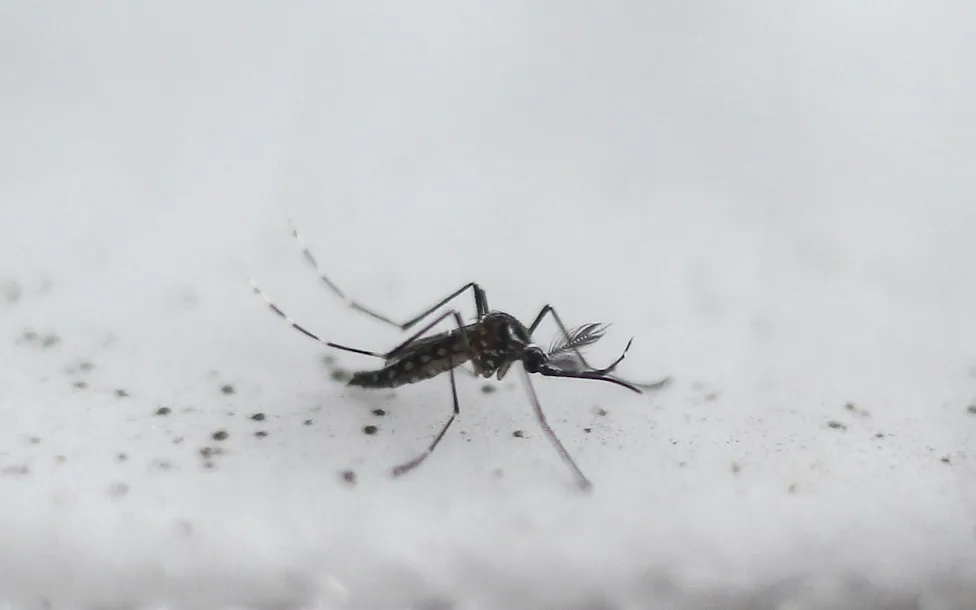
An experimental injection being tested in Rwanda could offer a different approach to malaria prevention by keeping an antimalarial medicine in the body for an extended period, potentially reducing the need for frequent preventive doses.
The medicine, known as MMV371, is being assessed in a Phase 1b clinical trial announced on November 2 by Medicines for Malaria Venture (MMV) and Rinda Ubuzima. The study is the first Phase 1 trial of a long-acting malaria-prevention injection to be conducted in Africa.
MMV371 is designed to release medicine gradually after being injected into a muscle. It is converted into atovaquone, a compound used in the antimalarial medicine Malarone.
Researchers are developing it with the aim of providing protection for approximately three months from a single administration. Earlier research in the United Kingdom found that the injection was well tolerated by healthy adults and showed potential for protection over that period. The duration and preventive effect, however, still need to be established through further studies.
The Rwandan trial will mainly examine the injection’s safety, tolerability and how the body processes it. Its ability to prevent malaria infections will also be explored.
About 80 healthy adults and adolescents aged 12 to 50 are expected to participate. Three out of every four participants will receive MMV371, while the rest will receive a placebo. The study will run for 24 weeks for each participant, with researchers monitoring side effects, drug levels and malaria infections.
Dr Joyce Eugénie, a physician at Gatenga Health Centre in Kigali, said a long-acting preventive medicine could be useful to people who have difficulty reaching health facilities regularly.
She recalled a case involving a 14-year-old who arrived at a health facility with severe malaria after the family had initially sought traditional treatment. The child later developed serious complications.
Malaria incidence in Rwanda was recorded at 72 cases per 1,000 people in the 2025/2026 financial year, down from 76 in the previous year. The figure remains higher than the 45 cases per 1,000 people recorded in 2023/2024.
The potential benefits of a longer-lasting medicine will depend on whether it can prevent infections safely and whether it can be made affordable. Dr Cristina Donini, MMV’s Executive Vice President for Research and Development, told The Telegraph that the final price had not yet been determined and that affordability was being considered.
MMV371 is still at an early stage of development. The Rwanda study will provide evidence on whether it is suitable for further testing, but it will not by itself establish that the injection can prevent malaria for three months.