
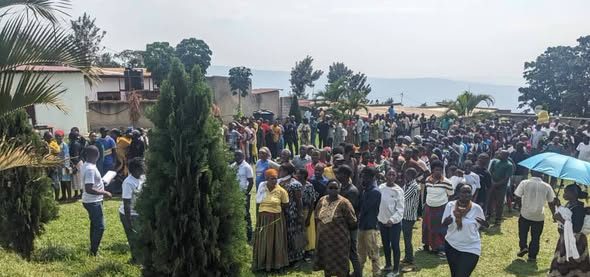
Residents of Nyagatovu Cell in Kimironko Sector, Gasabo District, turned out in large numbers on Saturday, October 24, to elect their representatives, describing the voting process as smooth and transparent.
Those interviewed said they were happy with the exercise and the representatives they had chosen, offering a local account of the first stage of Rwanda’s 2026 local government elections.
Ann Mutoni, a resident of Nyagatovu Cell, said it was her first time voting and that she was pleased to participate.
“It was my first time to vote, and I am happy to have taken part in this exercise. I am also glad that we had the opportunity to elect our youth representative,” she said.
Mutabazi Emmanuel, another resident, said he travelled from his workplace in the Eastern Province to cast his vote because his family lives in Nyagatovu.
“I made sure to travel from my workplace in the Eastern Province to come and vote because my family is here in Nyagatovu,” he said.
NEC prepared for potential voting challenges
Speaking to journalists on Friday, October 23, National Electoral Commission (NEC) Chairperson Oda Gasinzigwa said the commission had considered potential challenges that could affect voting and made arrangements to address them.
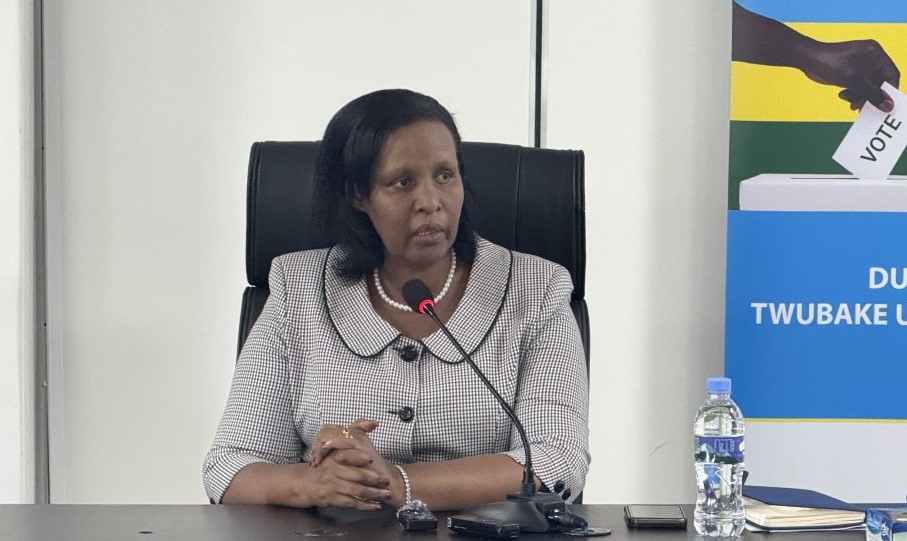
These included accommodating people whose religious observances prevent them from voting on Saturdays. According to the information shared at the briefing, Seventh-day Adventists and other eligible citizens who worship on Saturdays would have an opportunity to vote on Sunday.
NEC had also considered the needs of persons with disabilities to help ensure they could participate in the electoral process.
Gasinzigwa further said the commission had considered possible weather disruptions, including rain that could interrupt voting, and planned appropriate measures to address such situations.
The arrangements were intended to help eligible citizens exercise their voting rights despite circumstances that might otherwise prevent them from participating.
Observers urged to remain impartial
Gasinzigwa said more than 90 election observers had registered to monitor the electoral process.
She said observers play an important role in protecting citizens’ rights and helping electoral institutions identify areas for improvement.
“We value election observers. We see significant benefits in their reports, which help ensure the rights of Rwandans are respected and enable electoral institutions to improve future elections,” she said.
Observers are expected to remain impartial, understand the laws governing elections and document their findings using verifiable information. They are not permitted to interfere with the work of election officials or the voting process.
Their reports should describe what they directly observe, identify strengths and shortcomings, and offer recommendations based on evidence.
Gasinzigwa also pointed to reports from international partners, including the African Union and European Union, as useful sources of lessons for improving election management.
Digital applications mark a change in candidate registration
During Friday’s briefing, Gasinzigwa reported that more than 90 per cent of applications from district council candidates had been submitted electronically.
She described the development as a positive step in the adoption of technology, adding that NEC had also tested electronic applications for election observers and found interest in the system.
More than 1,000 people submitted candidacies for district council seats. The provisional list of candidates was scheduled for publication on October 26, with the final list expected on October 30.
The next stage of voting is scheduled for October 31 at cell level, followed by sector-level elections on November 7. The wider process will continue through November, with the full composition of the National Women’s Council, National Youth Council and National Council of Persons with Disabilities expected to be completed by December 15.
The experiences reported by Nyagatovu residents provide a local perspective on the village-level vote, while observer reports and official information will contribute to a broader assessment of the electoral process.