
A total of 937 households in Rwanda’s Eastern Province have received biogas systems designed to reduce their reliance on firewood and provide an alternative source of cooking fuel.
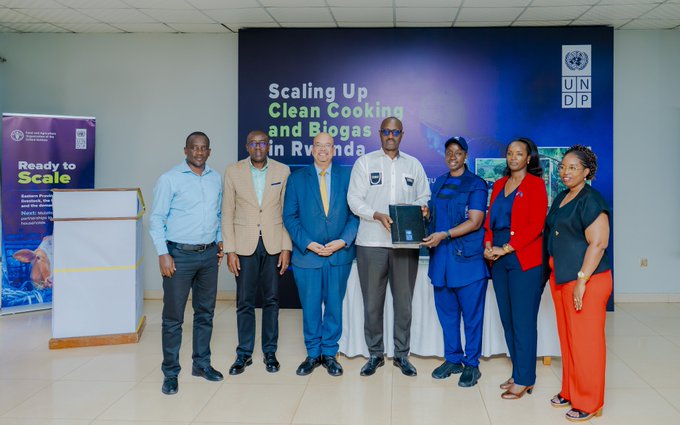
The systems were handed over to the province by the United Nations Development Programme (UNDP) at a ceremony in Rwamagana district on Tuesday. According to the project information, 500 households in Rwamagana and Ngoma districts benefited, alongside another 437 in Gatsibo district.
HomeBiogas Ltd installed the systems, which use animal waste to produce gas for cooking. The residue can also be used as organic fertiliser.
For some beneficiaries, the technology has reduced household expenses and the time spent collecting firewood.
Nyirantura Saverina, a resident of Muhazi sector in Rwamagana district, said her children previously spent long periods looking for firewood, sometimes making it difficult to maintain their normal school routines.
She said the new system allows them to prepare breakfast before school without having to start a traditional fire, reducing their exposure to cooking smoke.
In Gatsibo district, Johnson Kamanzi said his household previously spent about 10,000 Rwandan francs a month buying firewood. Since adopting biogas, he said, the family’s firewood consumption has fallen to between 10% and 20% of its previous level.
Kamanzi also helps other residents understand how to use biogas systems.
Eastern Province Governor Pudence Rubingisa said the initiative offered households a way to turn livestock waste into a useful resource while gaining access to alternative cooking energy. He urged beneficiaries to maintain their equipment and called for the project to reach more families.
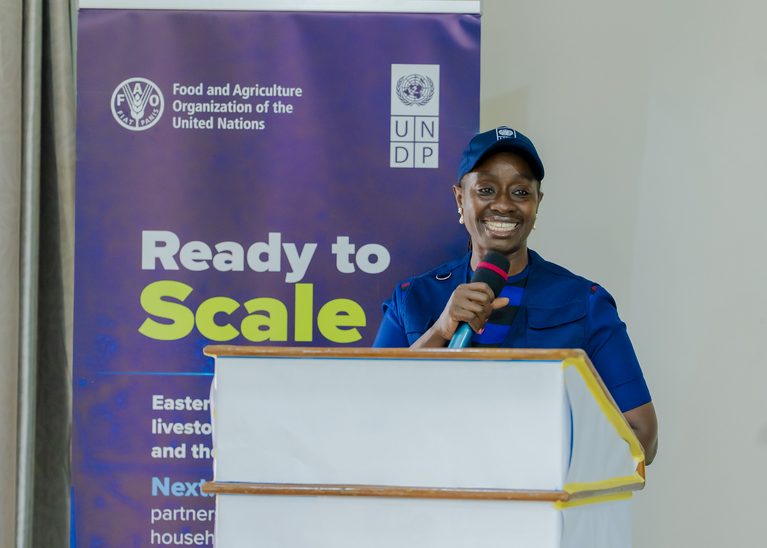
UNDP Resident Representative in Rwanda Fatmata Lovetta Sesay said clean cooking programmes should improve people’s daily lives by reducing exposure to smoke and the time women and girls spend collecting firewood.
A senior technical adviser at the Ministry of Infrastructure, Gen. B. Cesar, said the project’s long-term success would depend on whether the systems continued to function and households could use them properly.
Project partners have agreed on arrangements for repairs, maintenance and follow-up support.
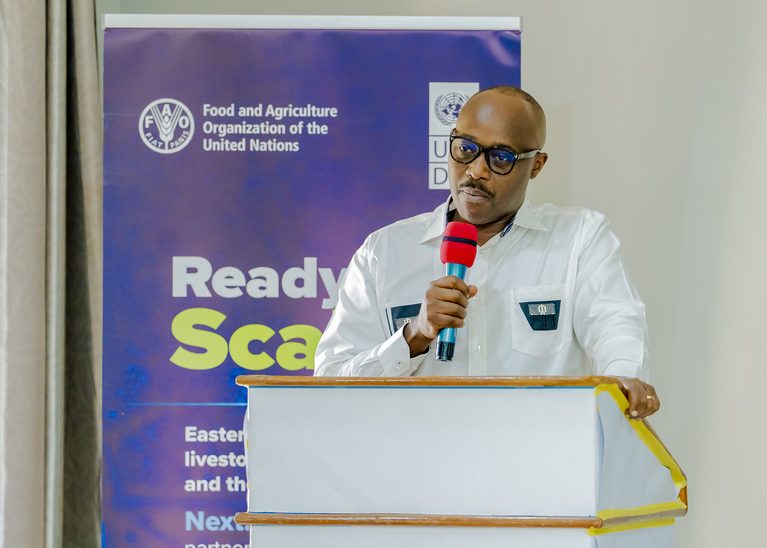
The ceremony also featured research findings on biogas and methane emissions conducted with the United Nations Food and Agriculture Organization and the Rwanda Environment Management Authority.
Equity Bank and other private-sector partners participated in discussions on financing options to extend clean cooking technologies to more households.
The initiative forms part of Rwanda’s efforts to promote cleaner cooking methods and reduce greenhouse gas emissions.