
Rwanda and Senegal are looking to give their economic relationship a boost after years of close political ties produced limited trade and almost no recorded investment between the two countries.
Trade stood at 131 million CFA francs, equivalent to about 327 million Rwandan francs, in 2025, according to Senegal’s investment promotion agency, APIX.
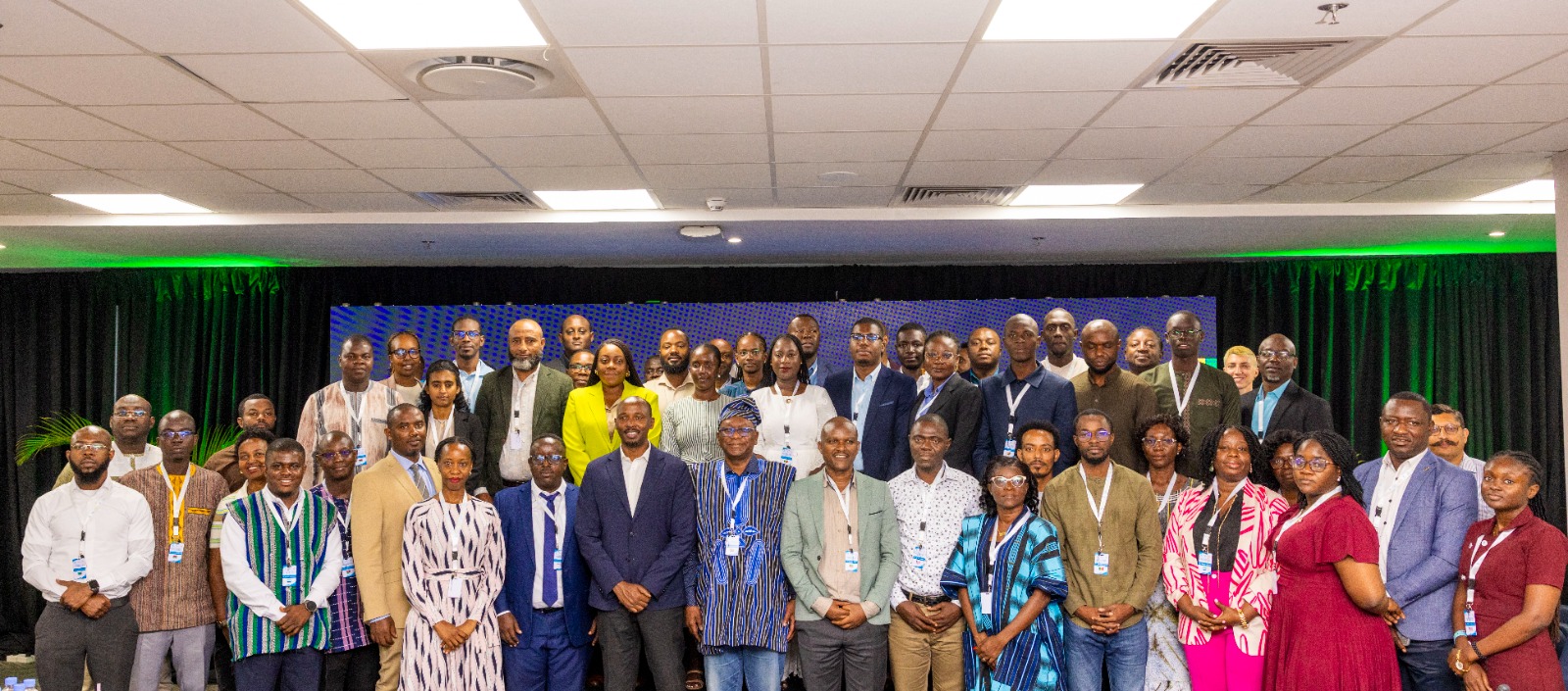
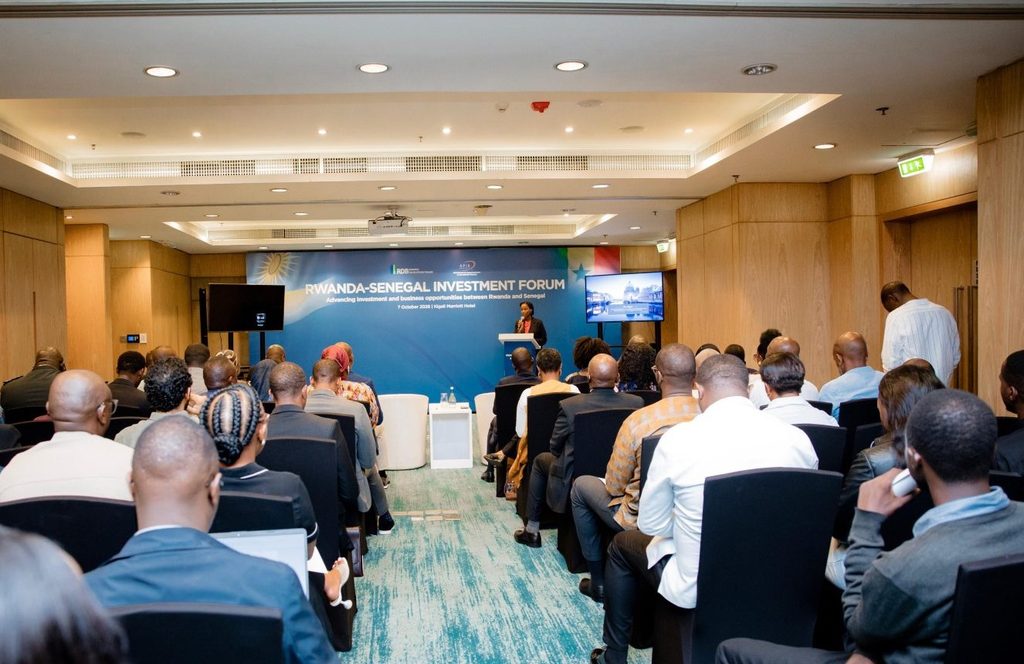
The figure was discussed at a business forum held in Kigali on Oct. 6, bringing together companies from both countries in an effort to find new areas for commercial cooperation.
The forum brought together businesses involved in construction, transport, infrastructure, agriculture, agro-processing, leather, fashion and services.
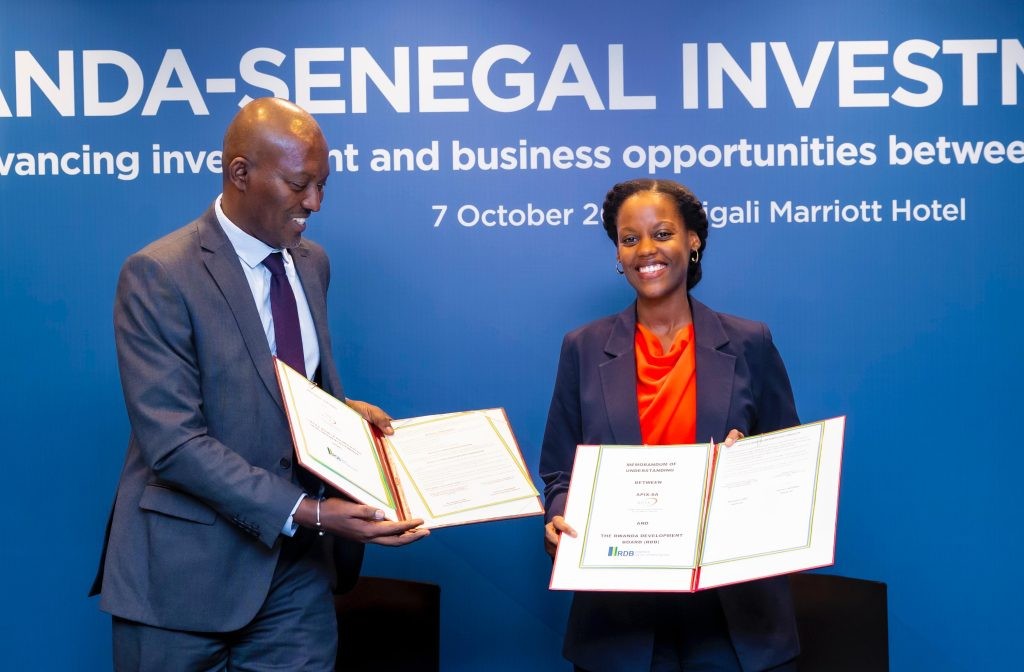
At the meeting, the Rwanda Development Board (RDB) and APIX signed a memorandum of understanding aimed at helping businesses exchange information, identify investment opportunities and follow up on projects.
APIX Deputy CEO Moustapha Cissé said the biggest challenge was the disconnect between the countries’ political relationship and the limited volume of business between them.
“The gap between strong political relations and low levels of trade and investment is the challenge we have to address,” Cissé said.
He said Senegal was working to make investment easier through a new investment law adopted in 2025, streamlined procedures and increased use of digital services.
RDB Deputy CEO Juliana Muganza said Rwanda could offer Senegalese companies access to a wider regional market. She said the country attracted $2.62 billion in investment in 2025 through about 800 projects expected to generate 40,000 jobs.
Muganza said investors could use Rwanda as a base for reaching markets beyond the country’s 18 million people, particularly through the African Continental Free Trade Area.
But businesses said connectivity between Kigali and Dakar needs to improve if trade is to grow.
GLO Creations Ltd investor Kamanzi Uwera Gloria said high airfares and freight charges make business between the two markets expensive. She said stronger cooperation with airlines could help reduce the cost of moving people and goods.
Nzamwita Pacique, an investor in construction and transport, said travelling between Kigali and Dakar could take two or three days because of connections, with tickets sometimes costing between $1,800 and $2,000.
He said the high cost of travel could discourage businesses from exploring opportunities in each other’s markets.
Rwandan businesses already participate in events such as the Dakar International Fair, where they promote coffee, agricultural products, leather goods, clothing, cosmetics and other locally made products.
Kamayirese Jean d’Amour, who works in the leather sector, said Senegal offered room for expansion as Rwanda increases its capacity to process leather locally.
The new RDB-APIX agreement is expected to support business missions, information sharing and direct links between companies as the two countries seek to turn political goodwill into more trade and investment.