

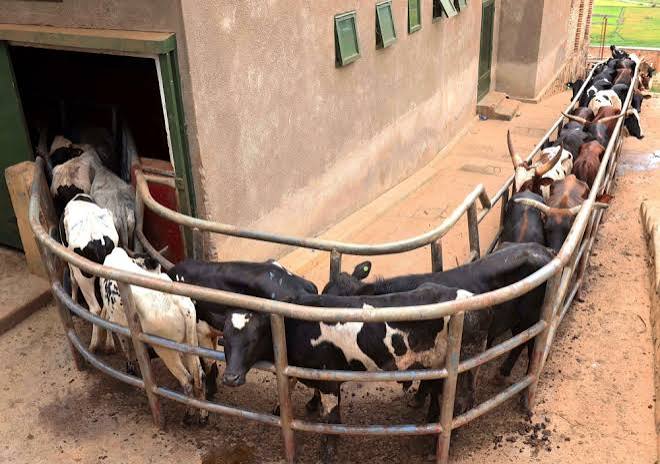
Rwanda’s consumer protection authority has tightened checks for veterinary drug residues in meat, warning slaughterhouses not to process animals that are sick, undergoing treatment or still carrying traces of medicine.
The Rwanda Inspectorate, Competition and Consumer Protection Authority (RICA) distributed 350 testing kits worth 70 million Rwandan francs to slaughterhouse operators across the country to detect drug residues in meat.
RICA Acting Director General Bajeneza Jean Pierre said animals treated with veterinary medicine must go through a specified withdrawal period before they can be sold or slaughtered.
“When you eat such meat, the medicine enters your body. Those chemical substances enter an organism that was not intended to receive that medicine,” Bajeneza said.
The new tests will target meat, liver, kidneys, fat and blood, where traces of veterinary medicines can remain if the withdrawal period has not elapsed.
RICA said animals presented for slaughter must have a health certificate showing their treatment history and confirming that they are fit for slaughter. Animals that remain sick after treatment should not be slaughtered.
The measures are also supported by Article 50 of Rwanda’s new livestock law, which requires the prescribed withdrawal period for veterinary medicines to be observed before products from treated animals can be consumed or used.
Niyonzima Eugene, head of livestock products value addition at the Rwanda Agriculture and Animal Resources Development Board (RAB), said the restrictions are intended to protect consumers rather than cause losses for farmers.
“An animal approved for slaughter should be healthy, or, if it has been treated, the drug residues should have cleared from its body,” Niyonzima said.
Some slaughterhouse operators welcomed the testing equipment but said farmers could face losses if buyers refuse to purchase sick animals or those recently treated.
Ndahayo Jean Claude, who represents Ishema ryacu Nyarubaka pig slaughterhouse in Kamonyi District, called for more public education to help farmers understand the rules.
Rwanda has 266 slaughterhouses, including 111 operated by districts and 155 privately owned facilities.