
An investigation into the production and distribution of substandard alcoholic drinks has drawn in officials from Rwanda’s food and drugs regulator, standards body and local government, the Rwanda Investigation Bureau said Thursday.
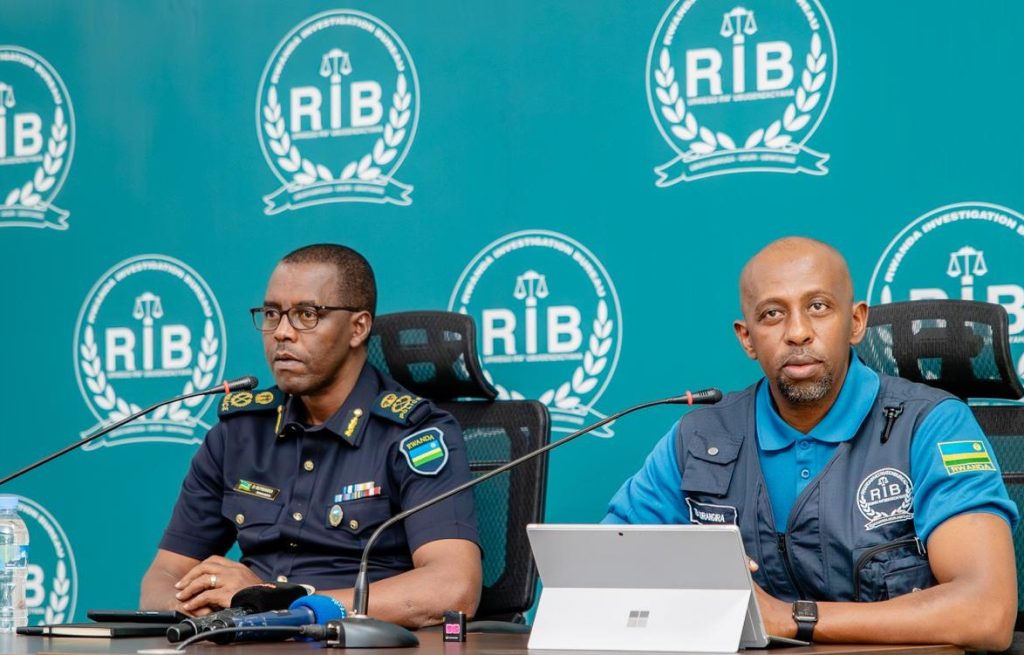
RIB and the Rwanda National Police presented the suspects to journalists as authorities continued a nationwide crackdown on alcoholic beverages that fail to meet required standards.
RIB spokesperson Dr. Thierry B. Murangira said 10 employees of the Rwanda Food and Drugs Authority (Rwanda FDA) are among those arrested, including Director General Prof. Bienvenu Emile.
RIB said Bienvenu is accused of issuing a certificate without consulting the authority’s technical committee. Murangira said an inspection at one factory found a badly rusted processing machine, but the facility was later granted certification.
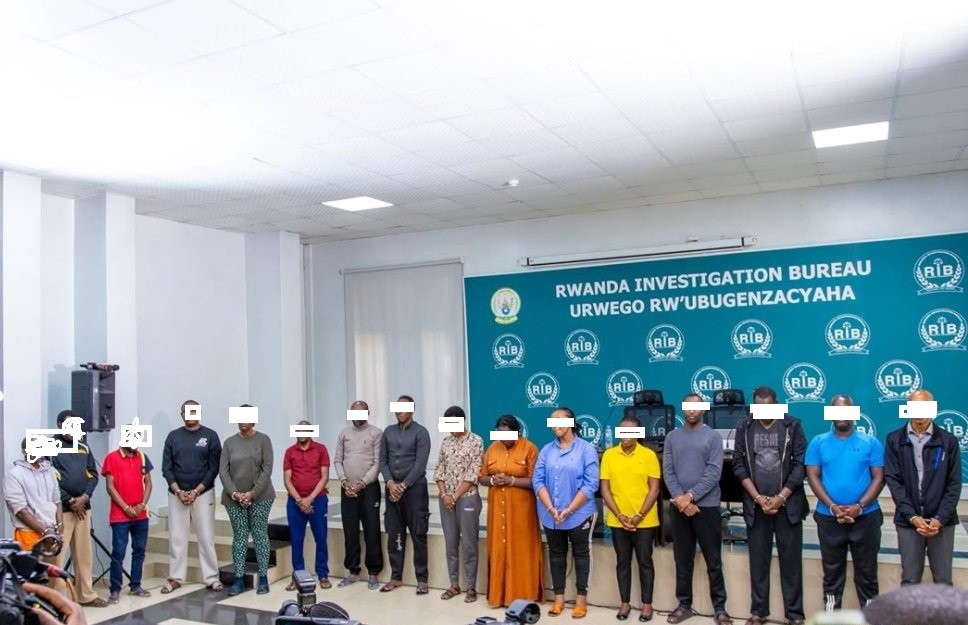
Other Rwanda FDA officials named by RIB include Dr. Nyirimigabo Eric, head of the food department; Dr. Nyamwasa, an inspector; Mahoro Christian, responsible for licensing food-related businesses; and Muhimpundu Alice, a warehouse inspection specialist.
Three officials from the Rwanda Standards Board (RSB) are also accused of improperly issuing S-Mark certificates to products from 18 companies that did not meet the required standards, RIB said.
Murangira said investigators found products bearing the S-Mark even though other products from the same companies did not have the required certification.
The investigation has also implicated local government officials, including Gasana Isai, executive secretary of Kansi Sector in Gisagara District, and Kubwimana Emmanuel, a village leader in Murundi Sector, Karongi District.
RIB said some local officials were linked to bars selling substandard alcoholic drinks, while others allegedly helped residents conceal the products.
The arrests are part of an operation against substandard alcoholic beverages that began on July 20. Police said the wider operation has targeted industry owners, employees and public officials suspected of involvement in licensing activities.
RIB said suspects are being investigated for offences including supplying products that may endanger human health, forgery, disobedience to lawful authority and tax evasion.
The suspects remain under investigation. RIB said those convicted could face prison terms of seven to 10 years, depending on the offences.
The agency urged the public to report places where withdrawn alcoholic drinks may still be sold or stored to help authorities remove them from the market.