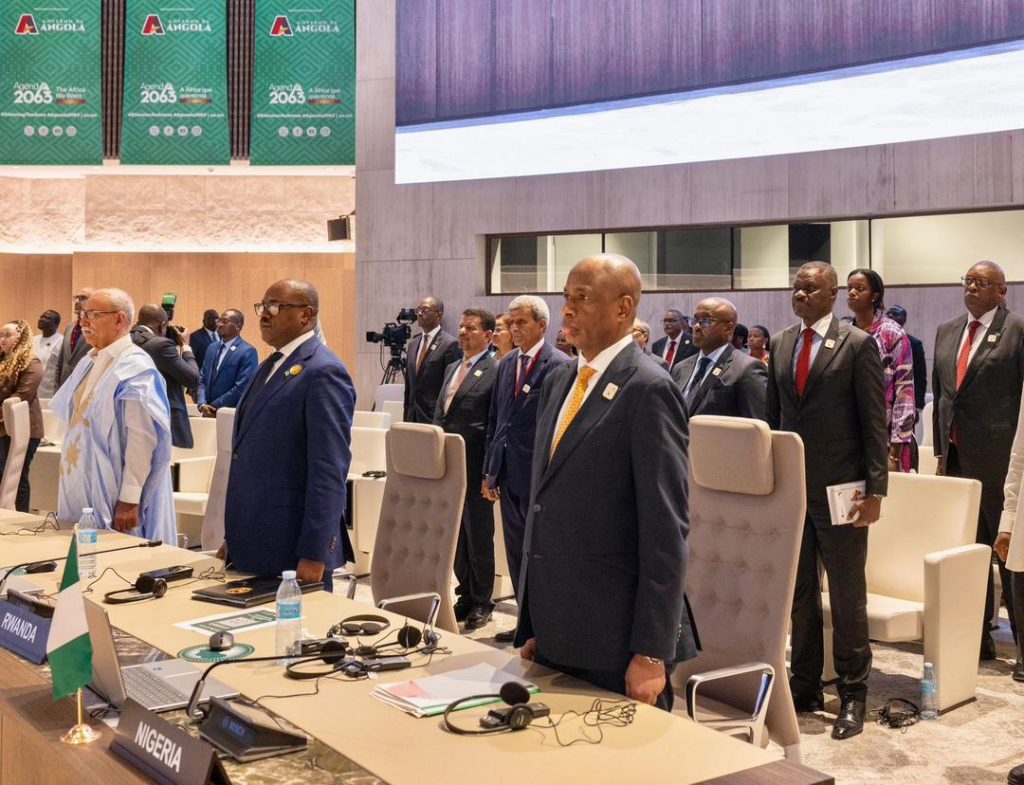

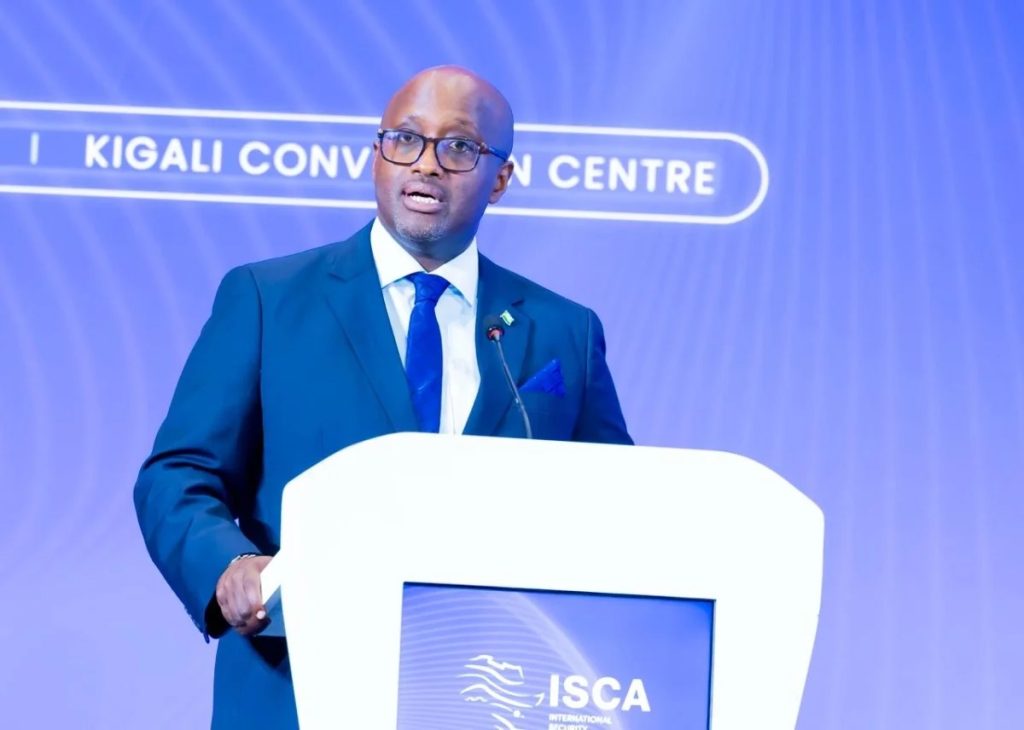
Africa needs to develop the skills, institutions and technical capacity to use artificial intelligence and autonomous technologies to address its security challenges, Foreign Affairs Minister Olivier Nduhungirehe said Wednesday.
Nduhungirehe was speaking in Kigali as the International Security Conference on Africa (ISCA) opened its high-level discussions on the growing role of artificial intelligence and autonomous systems in defence and security.
He said the increasing availability of autonomous technologies, including to non-state actors, was changing the security environment and requiring African defence and security institutions to adapt.
“Our defence and security institutions must continue to adapt to these developments and build the capacity to stay ahead,” Nduhungirehe said. “Africa cannot afford to be left behind as these technologies continue to advance.”
He said the technologies also offered opportunities for African countries to respond more effectively to security threats, including terrorism, armed groups and organised crime.
But Africa’s ability to benefit from AI and autonomous technologies will depend on its capacity to develop the knowledge, institutions and technical expertise needed to adapt them to the continent’s specific needs, Nduhungirehe said.
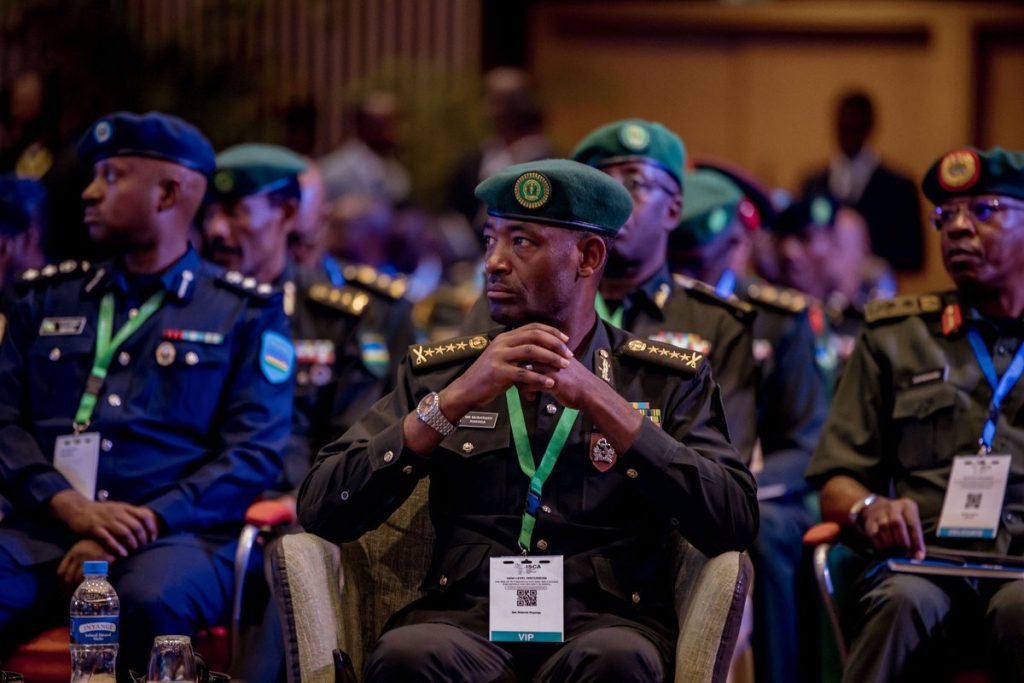
Amb. Lt. Gen. (Rtd) Frank Mushyo Kamanzi, ISCA’s executive chairman, said autonomous systems operating on land, at sea and in the air were increasingly influencing warfare, border security, peace support operations and national defence.
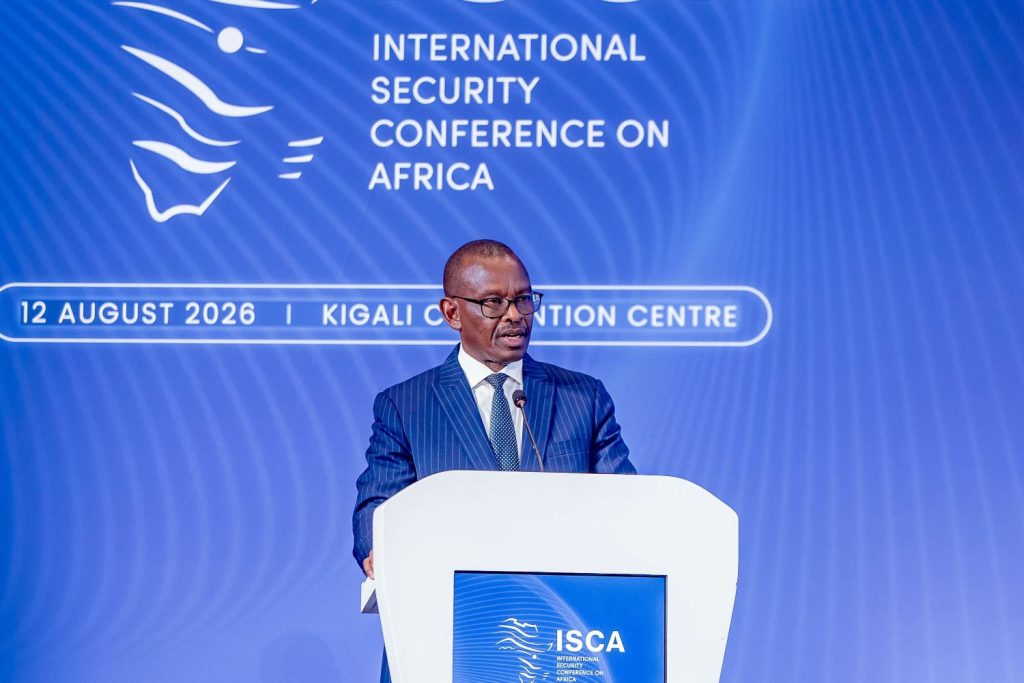
Technologies once regarded as tools of the future are now becoming part of modern security operations, Kamanzi said.
He said autonomous systems could improve intelligence gathering, border surveillance and maritime security, help protect critical infrastructure and reduce the risks faced by soldiers and other security personnel.
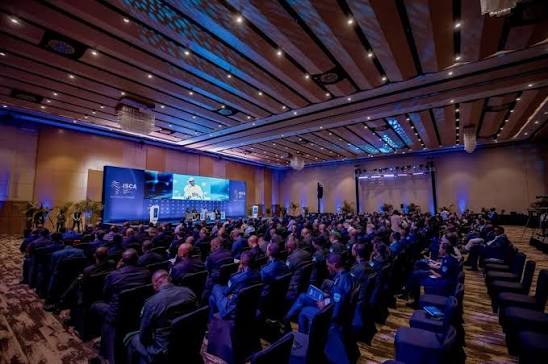
The conference also examined the risks associated with the growing use of AI-enabled and autonomous systems in armed conflicts.
Reports have linked AI-enabled weapons, including the U.S.-made Switchblade 300 and Switchblade 600 systems, to fighting in Ukraine. The systems are designed to locate targets and strike them.
A U.N. panel of experts on Libya has also reported that a Turkish-made Kargu-2 drone was used in Libya’s 2020 conflict and could identify and attack targets without continued human control.
Kamanzi said Africa must invest in the expertise and institutions needed to develop, operate and maintain autonomous systems.
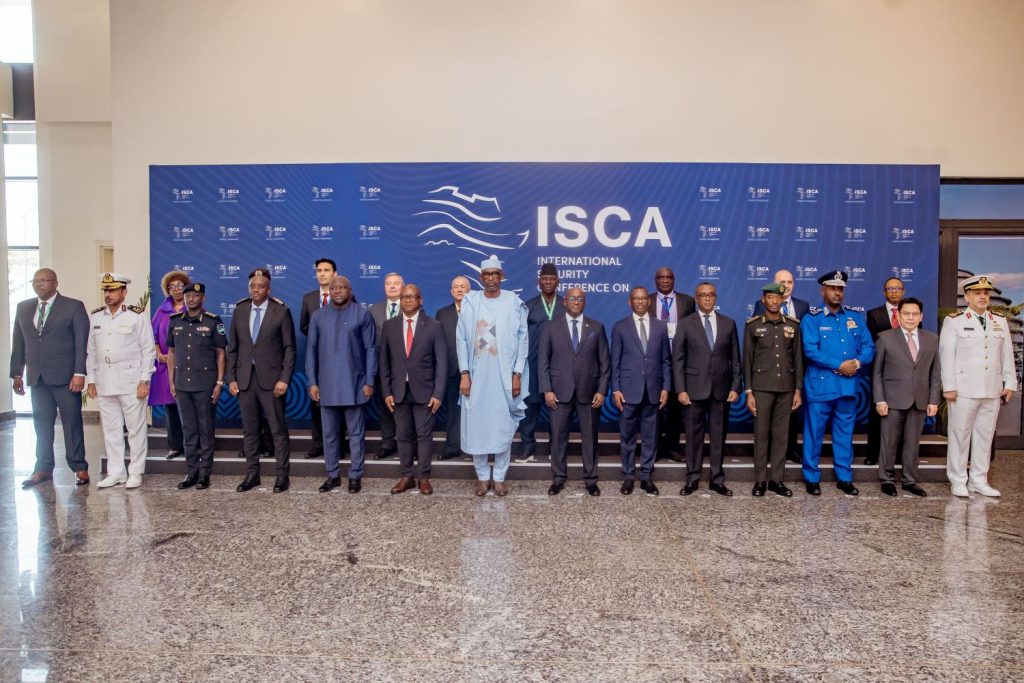
He also called for greater African participation in international discussions on rules governing the development and use of autonomous technologies, saying the continent should help shape those rules rather than simply follow decisions made elsewhere.