
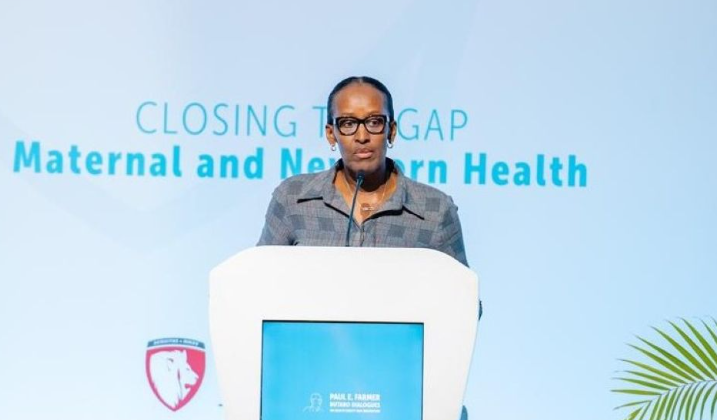
The world does not need to wait for new medical discoveries to save mothers and newborns, but must focus on delivering proven health solutions to every woman who needs them, First Lady Jeannette Kagame said Wednesday.
Opening the inaugural Paul E. Farmer Butaro Dialogues on Health Equity and Innovation at the University of Global Health Equity (UGHE), Jeannette Kagame said many of the tools needed to prevent maternal and newborn deaths already exist, but millions of women continue to miss out because those solutions have not been implemented widely enough.
“The challenge we face today is not finding new solutions. The solutions already exist,” she said. “Our challenge is implementation—making sure proven interventions reach everyone.”
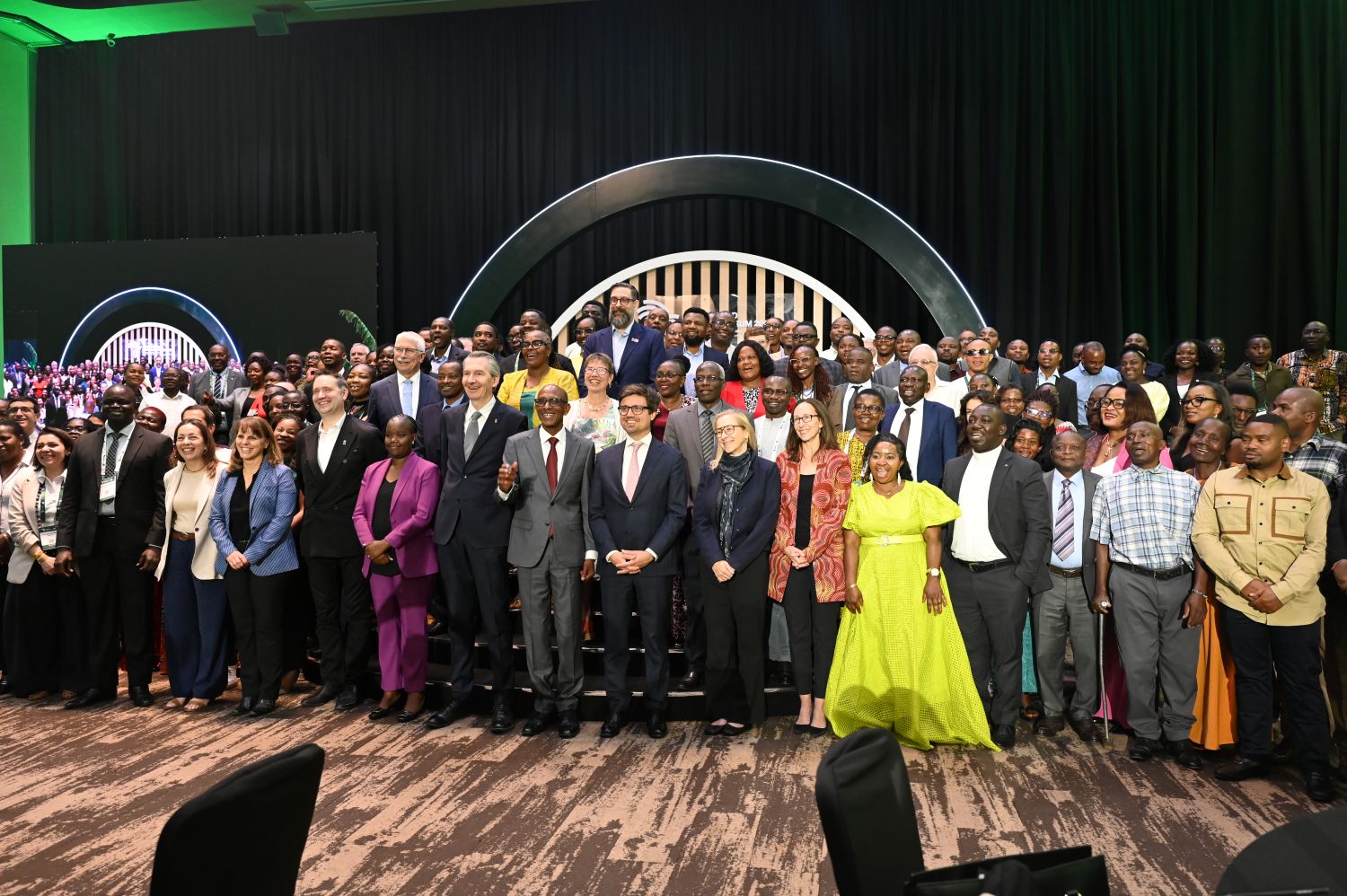
The forum brought together global health leaders, researchers, policymakers, healthcare professionals, universities and development partners to discuss how evidence-based innovations can be expanded to improve maternal, newborn and child health.
Jeannette Kagame said global health efforts should now move beyond discovering new interventions and focus on ensuring that approaches already proven effective become part of routine healthcare systems.
She highlighted lifesaving measures including timely treatment of postpartum hemorrhage, the use of magnesium sulphate to manage severe pregnancy-related complications such as eclampsia, Kangaroo Mother Care for premature babies, and improved nutrition for pregnant women.
However, she said many of these interventions remain limited to pilot programmes or specific locations instead of being fully integrated into national health systems.
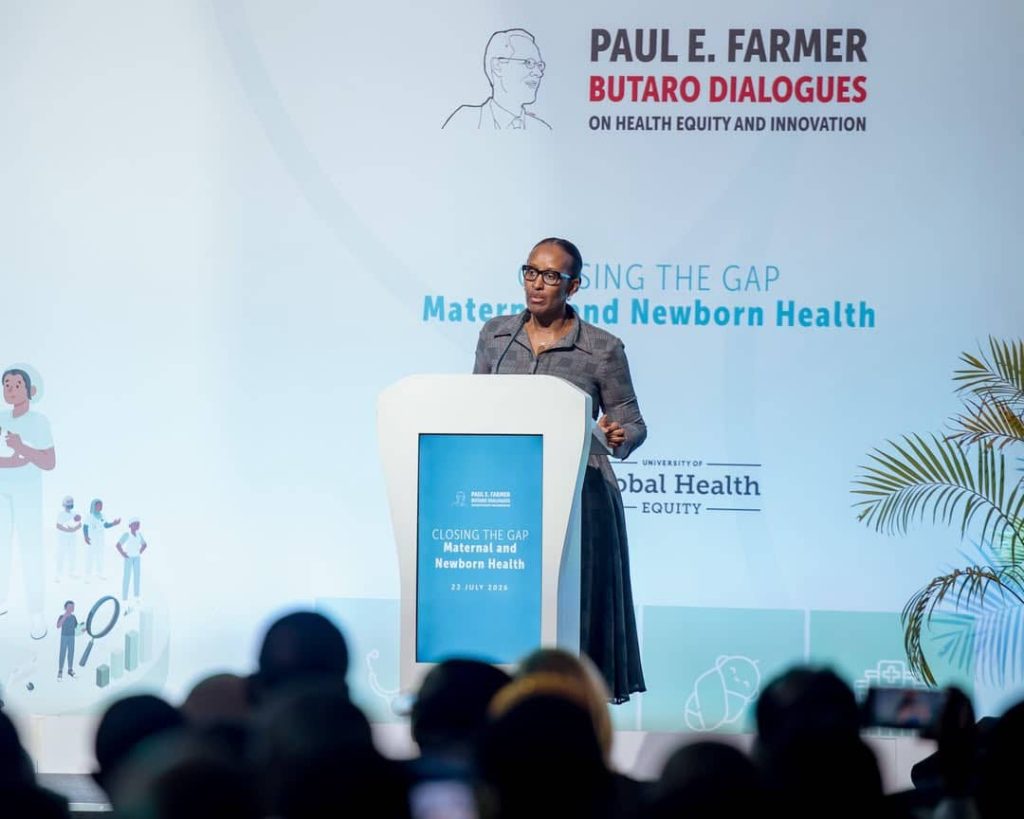
“We know the challenges. We know funding remains insufficient. We know much research ends up in scientific journals, and innovations can take years before becoming routine practice,” she said. “Yet we can expand interventions that have already been proven effective.”
The First Lady said countries must do more to translate scientific evidence into policies and services that reach every community, including women living in remote areas.
She pointed to Rwanda’s own healthcare transformation as evidence that sustained political commitment and investment in primary healthcare can produce significant results, even with limited resources.
Over the past three decades, Rwanda has reduced maternal mortality from 1,071 deaths to 149 deaths per 100,000 live births, while under-five mortality has declined from 196 to 36 deaths per 1,000 live births.
“These achievements were not because we had abundant resources,” Jeannette Kagame said. “They came from translating evidence into policy, maintaining political commitment, strengthening primary healthcare and empowering community health workers.”
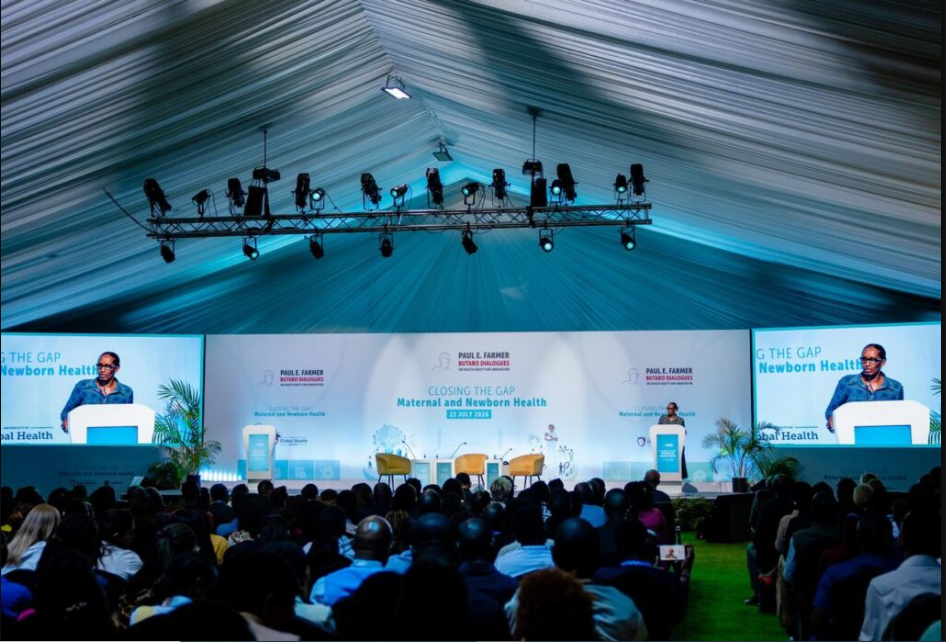
She praised Rwanda’s community health workers as a critical link between health systems and families, particularly those living far from major healthcare facilities.
The First Lady also called on doctors, researchers and health professionals to take a stronger role in shaping health policies.
“You should not simply receive decisions made in rooms like this,” she said. “You deserve a seat at the table where those decisions are made because you have earned it through years of study and service.”
The dialogue is named after Dr. Paul Farmer, the American physician and global health pioneer who founded UGHE and dedicated his career to advancing equitable access to healthcare.
Jeannette Kagame said Farmer’s belief that healthcare should be accessible to everyone, regardless of their location or economic status, remains relevant today.
“When a woman dies while giving life, it is a painful sign that a health system failed to provide care that was already within its reach,” she said. “That is a challenge of responsibility, but it is one we can correct.”
Gates Foundation Chair Bill Gates, who attended the forum, praised Rwanda’s health achievements and described the country as an example of how investments in primary healthcare can transform lives.
He said Rwanda’s public health system provides lessons for other countries through its focus on community-based care, technology and innovation.
“Rwanda has provided a remarkable example. Its public health system is one that many countries can learn from,” Gates said.
Gates also warned that global health progress faces growing pressure as international financing declines, forcing countries to deliver more services with fewer resources.
He noted that recent setbacks in global child health show the need for continued investment and stronger partnerships.
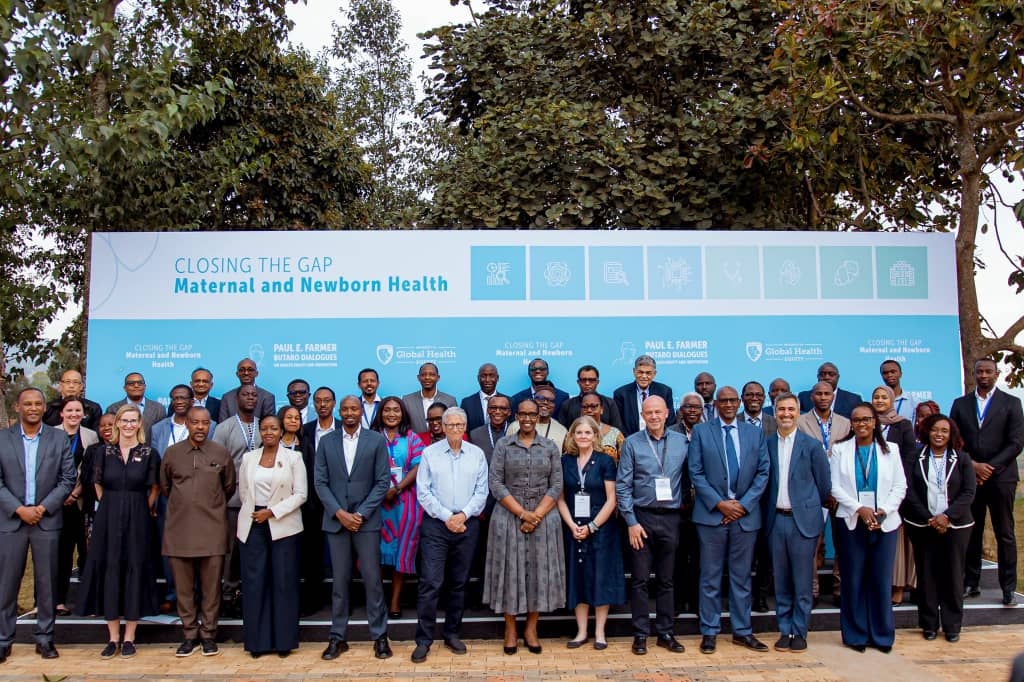
The Paul E. Farmer Butaro Dialogues, organized by UGHE in partnership with the Consortium of Medical Schools–Africa (COMS-Africa) and the Gates Foundation, aim to create a platform for governments, researchers, universities and health partners to accelerate the adoption of proven solutions and advance equitable healthcare across Africa.
For Rwanda, the discussions reinforce a message that has guided its health reforms: medical breakthroughs only save lives when they reach the people who need them most.