
Seven African countries are studying Rwanda’s use of digital technology and artificial intelligence in healthcare as they seek new ways to improve health planning, monitor disease trends and make faster decisions based on reliable data.
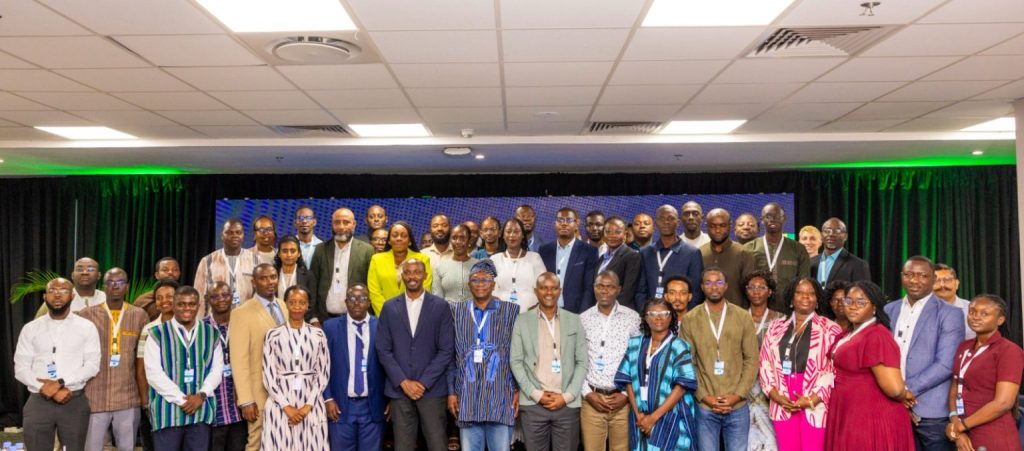
Officials from Burkina Faso, Ethiopia, Liberia, Senegal, Sierra Leone, Togo and Zambia are in Rwanda for a two-week exchange program focused on the National Health Intelligence Center (NHIC), a system that brings together health information from across the country.
Launched in 2025, NHIC was created to help Rwanda move from relying on delayed reports to using real-time health information to guide public health decisions.
The platform collects and analyzes data from community health workers, health posts, health centers, district hospitals, referral hospitals and private health facilities, giving authorities a broader view of health conditions across the country.
Rwanda’s Minister of Health, Dr. Sabin Nsanzimana, said access to accurate information is critical for improving healthcare outcomes.
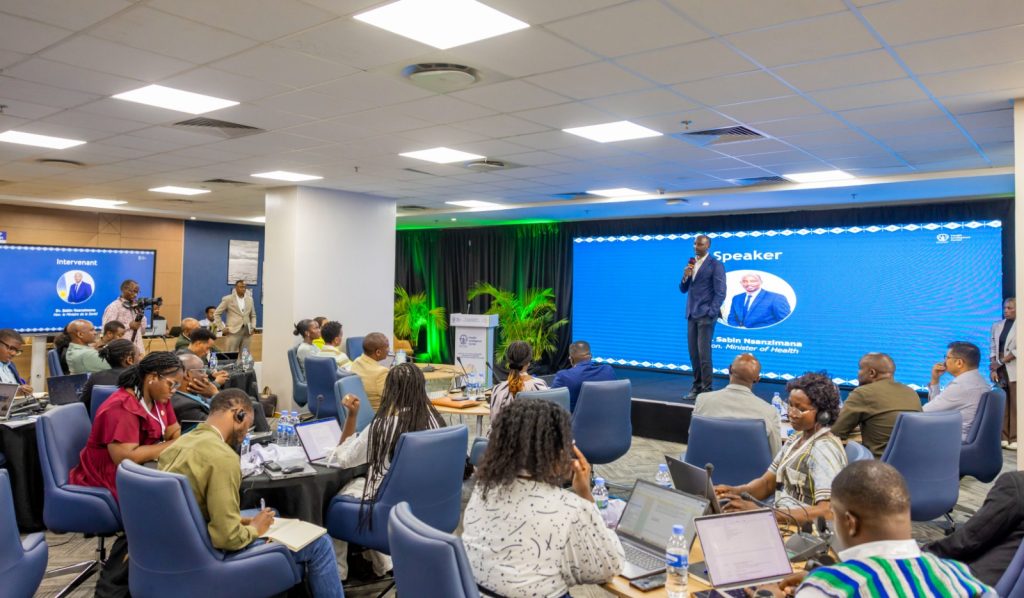
“In healthcare, if you do not know the disease you are treating, it becomes difficult to find the right solution,” Nsanzimana said.
He said NHIC has made it easier for officials to understand national health trends from a single platform, including disease outbreaks, maternal health indicators, births and other key information that previously required lengthy processes to collect and analyze.
The visiting officials said Rwanda’s experience provides lessons for countries developing their own digital health systems.
Massoud Mohamed, an official from Ethiopia’s Ministry of Health, said his country is exploring how Rwanda uses technology to reduce dependence on paper-based systems and improve access to health information.
“We are learning ways of solving challenges. Sometimes we find that we share the same problems and can exchange experiences,” Mohamed said.
He said Ethiopia is considering establishing a national health intelligence center and aims to expand integrated digital systems to 80% of its health facilities by 2030.
Siny Fall, an information technology specialist at Senegal’s Ministry of Health, said Senegal wants to learn how Rwanda combines information from different sources and uses it to support decision-making.
“It is important to bring together information from different sources and use it to guide decisions,” Fall said.
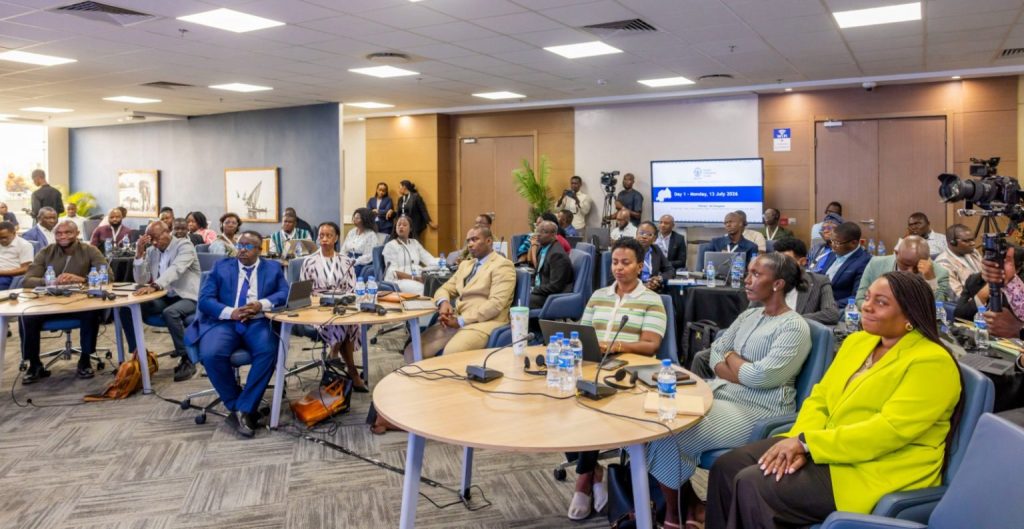
Rwanda’s health data model has attracted interest as African countries look for ways to strengthen healthcare systems through technology. The visiting experts said lessons from the exchange could help them improve the use of data in their own countries.
NHIC was officially launched by Rwanda’s Ministry of Health on April 3, 2025, during an international conference on artificial intelligence in Africa.