
Gender and Family Promotion Minister Uwimana Consolée has warned that gaps in parental care are contributing to Rwanda’s teenage pregnancy challenge, urging families to take greater responsibility in raising and protecting children.
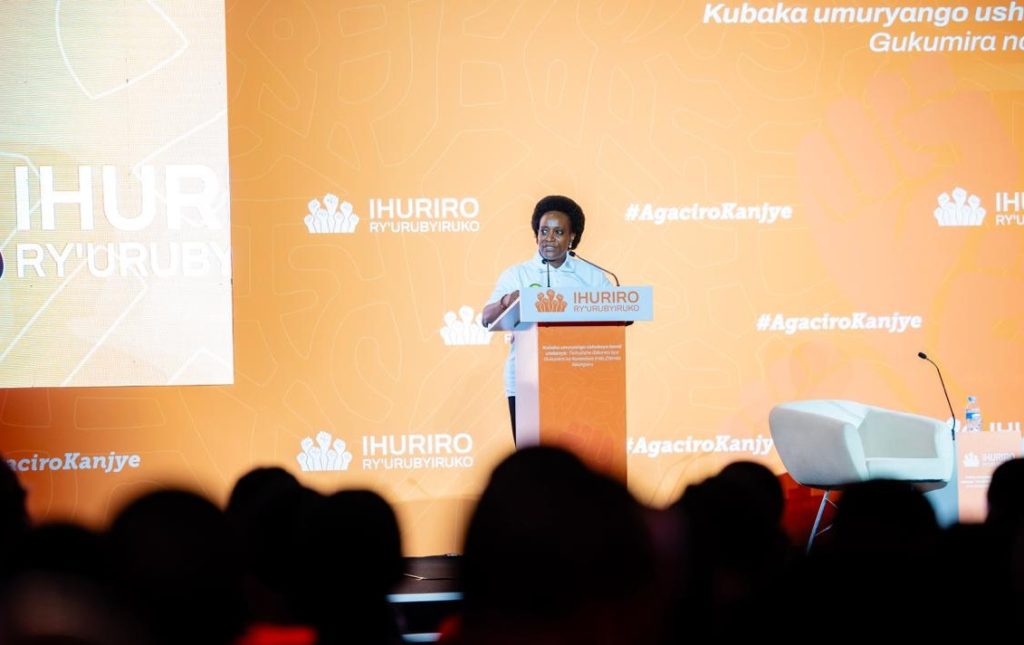
Uwimana made the remarks on Friday during a youth forum in Kigali organized by the Imbuto Foundation, which brought together more than 2,000 participants from government institutions, the health sector, security and justice bodies, development partners, and youth representatives. First Lady Jeannette Kagame also attended.
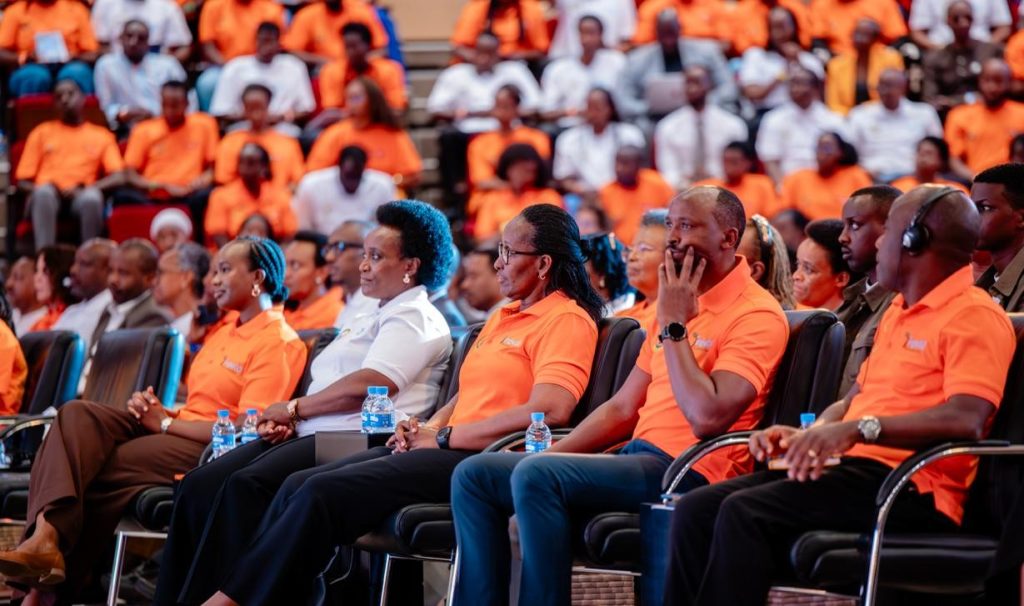
Speaking under the theme “Building a capable and safe family, accelerating actions to prevent and combat teenage pregnancy,” the minister said efforts to reduce teenage pregnancies cannot succeed without stronger engagement from parents and caregivers.
She said teenage pregnancy remains a major concern, with more than 23,000 cases recorded annually in Rwanda. She described the figure as comparable to the population of an entire administrative sector, warning that it reflects a continuing social and public health challenge.
Uwimana said affected adolescent girls face heightened risks, including complications during childbirth and long-term health consequences such as stunting. She also noted broader social and economic impacts on families and communities.
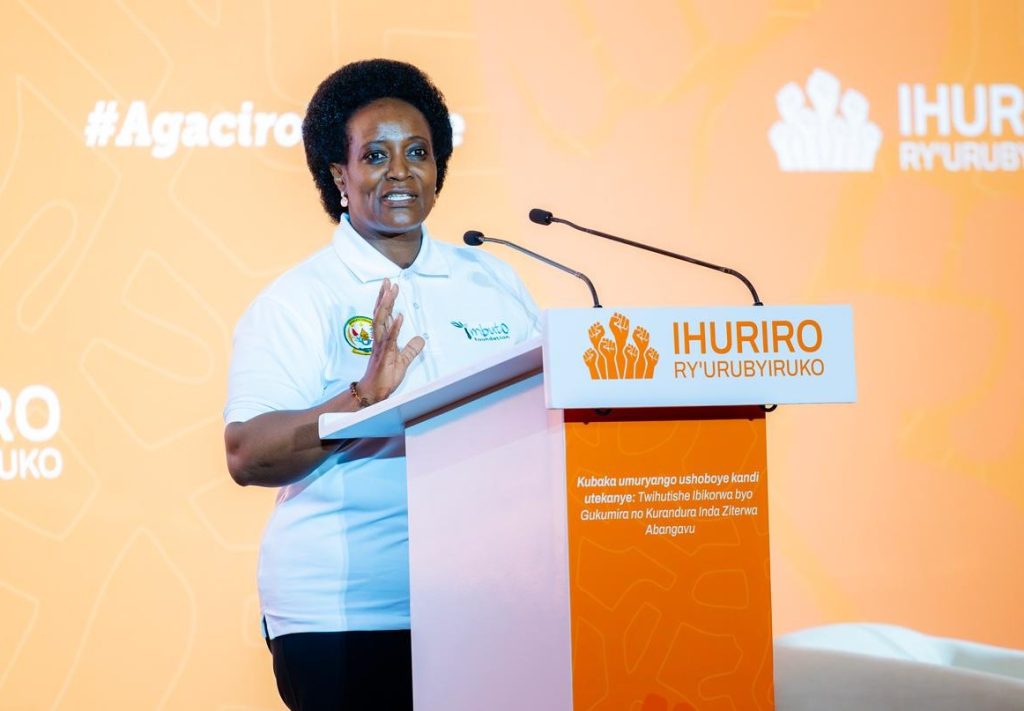
“Each year, it is as if we are creating a whole sector of teenage mothers and children born into vulnerability,” she said.
The minister called for coordinated action among families, communities, and institutions, saying silence and inaction at the community level allow the problem to persist. She urged citizens to speak out when children are exposed to abuse or exploitation.
She also cited examples in some parts of the country where teenage pregnancies have been eliminated for extended periods, saying such cases demonstrate that the challenge can be addressed through sustained cooperation and accountability.
Uwimana stressed that parenting goes beyond providing basic needs such as food, clothing, and healthcare. It also requires emotional support, guidance, supervision, and active involvement in a child’s development.
“No policy, no law, no program, and no institution can surpass the role of parents in raising a child,” she said.
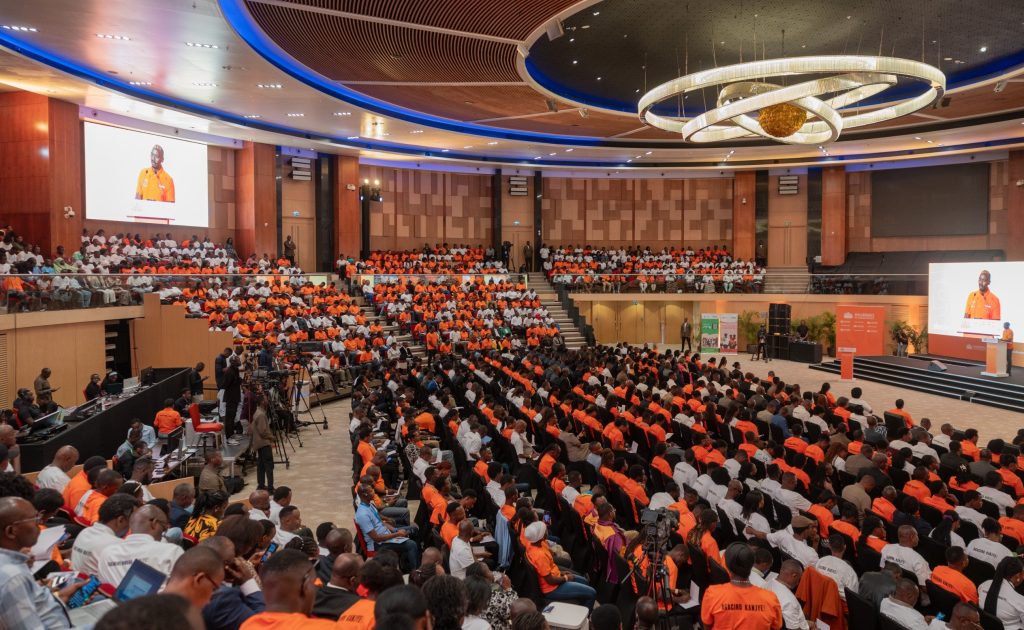
Participants at the forum discussed strategies to strengthen prevention efforts and protect girls’ rights, health, and future opportunities.
Data from the Rwanda Biomedical Centre shows teenage pregnancy remains a persistent concern. Rwanda recorded 17,331 cases in 2017, rising to 23,622 in 2019, and 19,701 in 2020. The Ministry of Health says the rate increased from 5% in 2020 to 8% in 2025, prompting renewed prevention efforts.