
People living with Type 1 diabetes can lead normal and productive lives if they properly manage the condition, health officials said at a weeklong camp aimed at helping patients and their families cope with the disease.
The camp, running from Aug. 17 to 23, has brought together about 70 people, including 38 Type 1 diabetes patients, 12 adults living with the condition who serve as peer mentors and 20 health workers from Rwinkwavu, Butaro and Kirehe hospitals.
The programme was organised by Partners In Health in collaboration with the Ministry of Health through the Rwanda Biomedical Centre (RBC) and other partners.
Nshimiyimana Gad, an RBC official in the diabetes unit, said a diabetes diagnosis should not prevent patients from continuing with their education, work or other activities.
“Life continues after a diabetes diagnosis,” Gad said. “If a person receives treatment, takes their medication properly and keeps their blood sugar under control, they can continue living a normal life.”
He said children and young people with Type 1 diabetes need particular support because learning that they have a lifelong condition can affect their confidence and mental well-being.
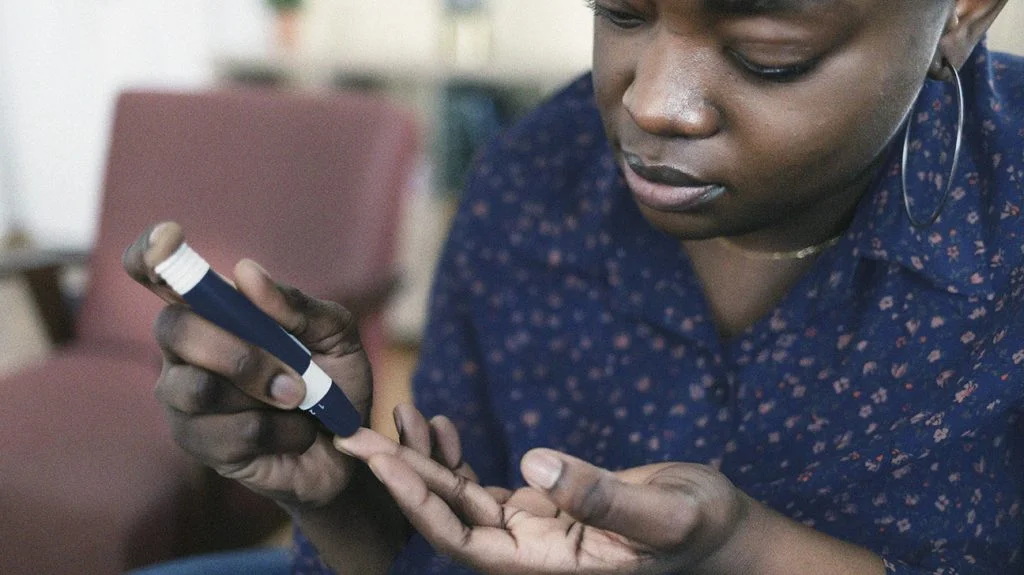
The camp is providing practical training on insulin use, blood sugar monitoring, nutrition and physical exercise. Participants are also being taught how to recognise and respond to dangerously low or high blood sugar levels.
Gad said managing diabetes requires patients to follow medical advice and make changes to some daily habits, but the condition should not prevent them from contributing to their families and the wider community.
Pacifique Hagenimana, a Partners In Health doctor in charge of the organisation’s noncommunicable disease programme, said Type 1 diabetes requires particular attention because patients depend on daily insulin injections.
He said patients need to understand how insulin affects blood sugar and how to respond when their levels become too low or too high.
The training also covers mental health, reproductive health, exercise, nutrition and the role of parents in helping children manage changes in blood sugar levels.
Hagenimana said the programme was designed to give patients practical skills for managing diabetes outside the hospital, rather than focusing only on medical treatment.
Partners In Health works with RBC to support diabetes patients receiving care at Rwinkwavu, Butaro and Kirehe hospitals.
For some participants, meeting others living with the condition has also helped build confidence.
Uwingeneye Diane, a Type 1 diabetes patient receiving treatment at Rwinkwavu Hospital, said the training had improved her understanding of diabetes and the complications that can arise when it is poorly managed.
She said regular blood sugar monitoring and following medical advice were important to maintaining good health.
Hakizimana Epimaque, another Type 1 diabetes patient at Rwinkwavu Hospital, said hearing from people who had lived with the condition for years had strengthened his confidence.
“The training added important knowledge to what we had already learned from health workers after being diagnosed,” he said.
Hakizimana said seeing people with diabetes continue to study, work and pursue their goals had helped him realise that the condition did not have to limit his ambitions.
“Diabetes itself does not kill; its complications do,” he said.
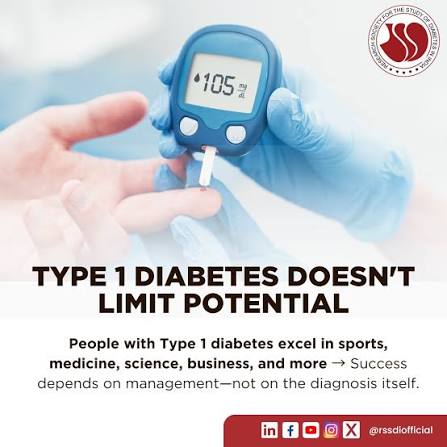
Type 1 diabetes is a lifelong condition in which the body produces little or no insulin because insulin-producing cells in the pancreas have been damaged. People with the condition need daily insulin to regulate blood sugar.
RBC estimates that 2.9% of Rwanda’s population has diabetes.
The camp is part of efforts to improve diabetes management and give patients and their families the knowledge and confidence to reduce complications and maintain their quality of life.