
Communities living near Nyungwe National Park are set to benefit from more than Rwf 1.2 billion allocated this year under Rwanda’s tourism revenue-sharing program, as authorities intensify efforts to link conservation with local development and inclusive growth.
The funding will support six community projects in five districts bordering the park, according to the Rwanda Development Board (RDB), which oversees tourism development and conservation nationwide. The allocation forms part of a long-standing national policy that channels a portion of tourism earnings from national parks directly to surrounding communities.
Officials say the program is designed to reduce poverty, address environmental threats to protected areas, and encourage residents to actively participate in conservation efforts that safeguard Rwanda’s natural heritage.
“The projects selected must respond to challenges that affect the park, such as illegal hunting, forest fires and environmental degradation,” said Pierre Ntihemuka, an RDB officer in charge of community coordination around Nyungwe National Park. “At the same time, they must bring real benefits to the people who live nearby.”
Nyungwe National Park stretches across several districts in the Western and Southern provinces and is one of Rwanda’s most important conservation
areas. The park is home to chimpanzees, more than a dozen species of primates, and hundreds of bird species, making it a biodiversity hotspot and a major attraction for eco-tourism. Its vast montane rainforest is also a critical water catchment area, supporting rivers that feed into the Nile and Congo basins.
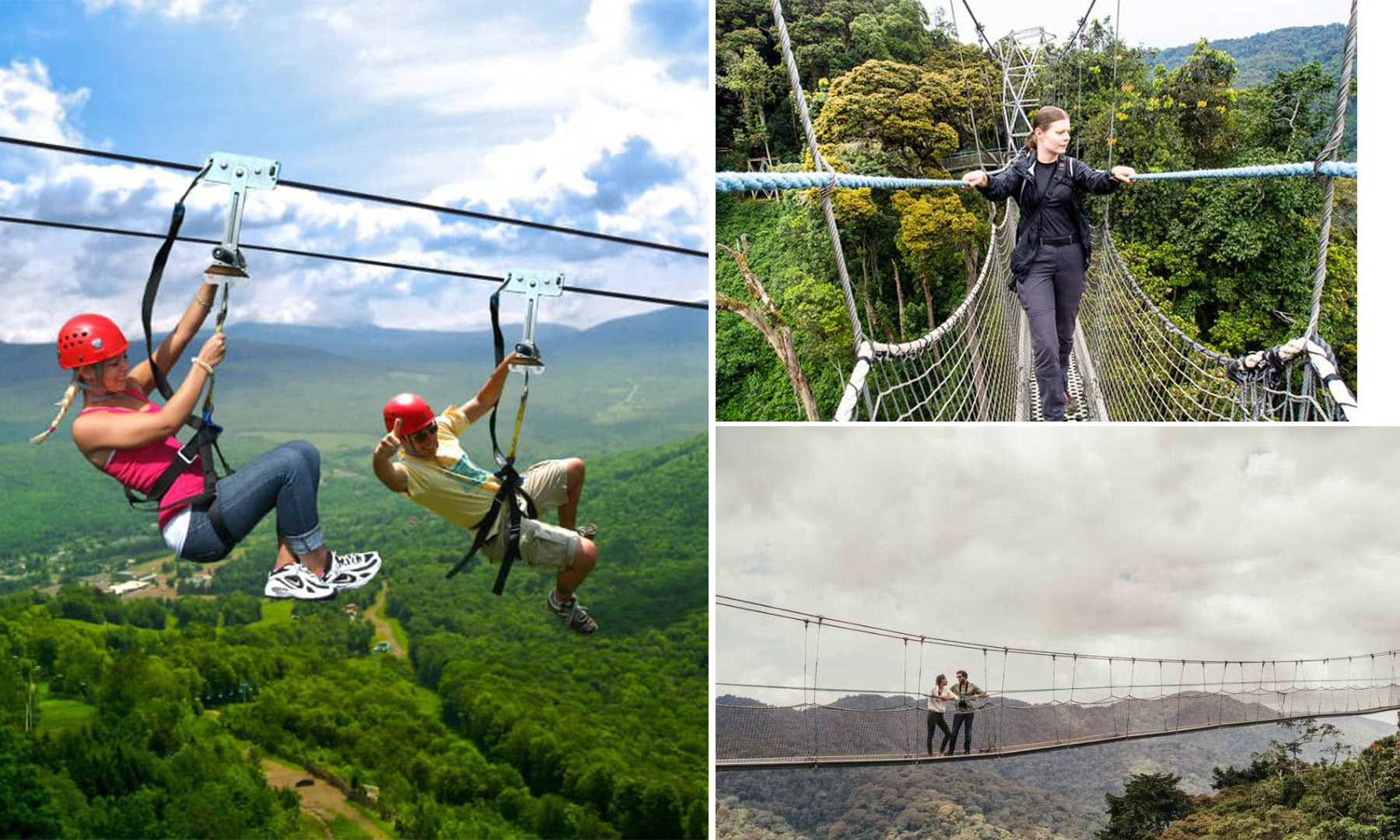
Tourism activities at Nyungwe, including canopy walks, guided forest hikes, and primate tracking, have helped generate significant revenue over the years. Authorities say that for conservation to succeed, this income must translate into tangible improvements in the lives of communities living alongside the park, who often bear the costs of conservation through land-use restrictions and human-wildlife interactions.
Rwanda’s tourism revenue-sharing program was launched in 2005 and has since become a central pillar of the country’s conservation and community development model. Under the program, a portion of tourism revenues from national parks is reinvested into community priorities such as schools, health facilities, water infrastructure, livestock distribution, and income-generating activities.
According to RDB, communities living around Nyungwe National Park have received more than Rwf4.5 billion since the program began. At the national level, more than Rwf18 billion has been distributed to communities living near Rwanda’s national parks over the past two decades. This year alone, more than Rwf5 billion is expected to be shared nationwide among communities bordering all national parks, officials said.
Authorities note that lessons learned over the years have led to stricter project selection criteria, with a stronger focus on sustainability, accountability, and community ownership.
“In the past, some projects did not last,” Ntihemuka said. “Now, emphasis is placed on initiatives that communities can manage and maintain over time, long after the initial funding has been spent.”
Projects must be located close to the park and involve local residents as the primary beneficiaries. Officials say this approach not only ensures that benefits reach those most affected by conservation, but also helps reduce conflicts between wildlife and people. By linking livelihoods to the health of the park, authorities believe communities are more likely to cooperate with conservation efforts.
Protais Niyigaba, chief executive officer of Nyungwe Management Company, which manages the park, said community involvement is critical to protecting Nyungwe and sustaining tourism revenues in the long term.
“The benefits communities receive come from a well-protected park and a positive visitor experience,” Niyigaba said. “When visitors are treated well and the environment is preserved, they return and encourage others to visit.”
He called on residents to continue safeguarding the park by rejecting illegal activities such as poaching, setting fires, and dumping waste, and by protecting wildlife along roads that pass through the forest. Such actions, he said, are essential to maintaining Nyungwe’s reputation as a premier eco-tourism destination.
Residents living near Based on the image provided, here is the extracted text:
Nyungwe say the revenue-sharing program has helped shift attitudes toward conservation by demonstrating that the park can directly improve livelihoods and support community development.
Uwimana, a resident of Mutuntu sector in Karongi District, said direct benefits from the park have transformed how communities perceive conservation.
“Because the benefits reach us, we now love the park even more,” she said. “We cannot allow anyone to damage it.”
Several community members say that projects funded through tourism revenue, including schools, clean water systems, and livelihood support initiatives, have encouraged them to view the park as a valuable neighbor rather than a source of restrictions.
Local government officials say the funding allows districts to address pressing social needs while aligning with national conservation objectives. Improved infrastructure and income opportunities, they note, help reduce dependence on forest resources and strengthen long-term environmental protection.
Rwanda has increasingly positioned conservation-based tourism as a driver of economic growth, with national parks playing a key role in attracting visitors and foreign revenue. Officials say ensuring that communities benefit directly from tourism is essential to protecting these ecosystems over the long term.
“As communities see tangible benefits, conservation becomes a shared responsibility,” Ntihemuka said.