
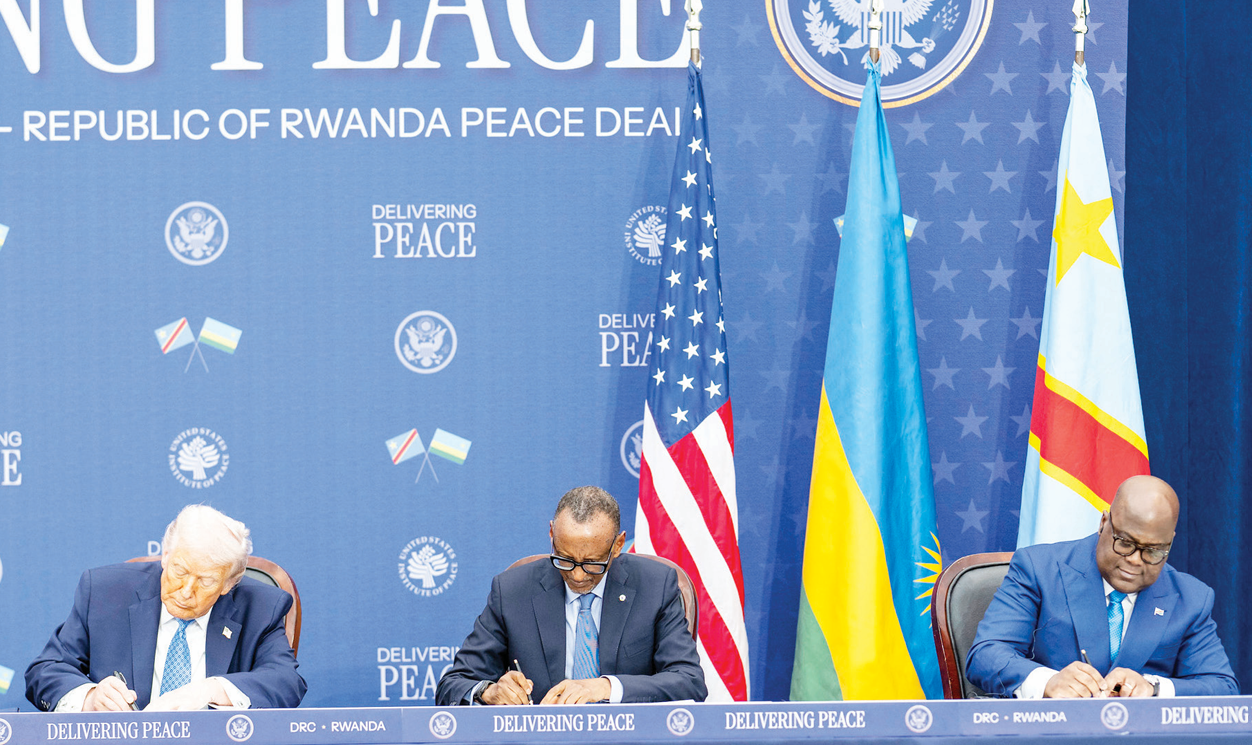
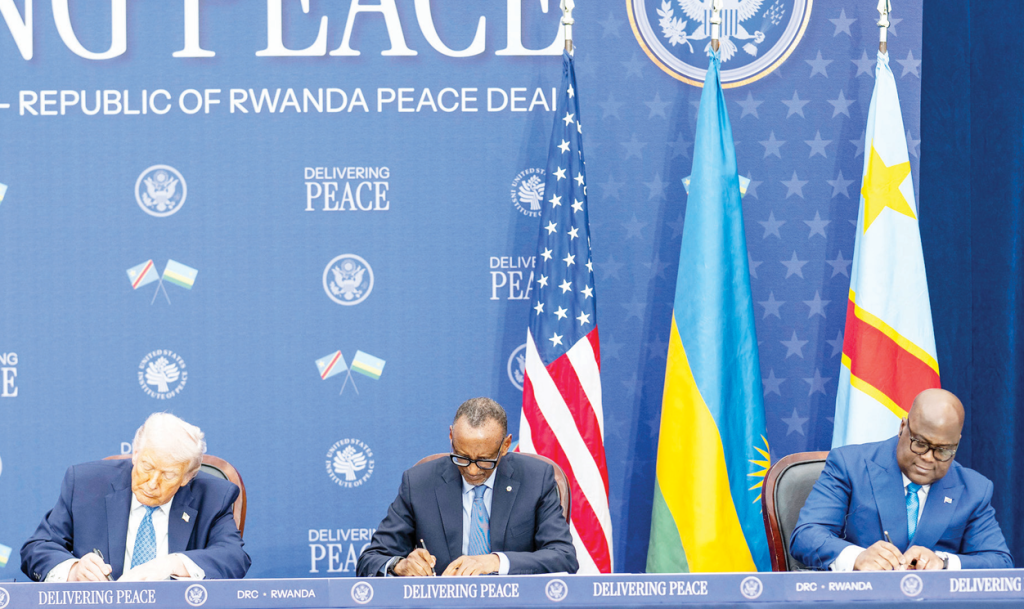
The pursuit of peace in eastern Democratic Republic of Congo (DRC) has long been fragile. The Washington Accords, signed on 4 December 2025 between Rwanda and the DRC, were meant to mark a breakthrough in resolving the long-running conflict in the region.
Welcomed by international partners, the African Union, and others as a possible turning point, the agreements aimed to address root causes of the conflict and promote economic cooperation.
However, only days after the accords were signed, the fragile calm collapsed. Fighting resumed between the Congolese army (FARDC) and its allies on one side, and the AFC/M23 rebels on the other.
Accusations were exchanged, violence escalated, and the humanitarian situation worsened. As civilians fled across borders and villages came under bombardment, doubts grew over whether diplomacy could overcome decades of mistrust and violence.
A promising pact under immediate strain
The Washington Accords resulted from combined regional and international mediation efforts, including the Luanda process, the African Union, negotiations in Doha led by Qatar, and initiatives supported by the United States.
These talks sought to repair relations between Kigali and Kinshasa, neutralise threats such as the FDLR a militia formed by remnants of those responsible for the 1994 Genocide against the Tutsi in Rwanda and enable the withdrawal of defensive measures.
The agreements were widely welcomed, raising hopes of ending the cycle of conflict that has devastated eastern DRC for years.
Yet even before the signing ceremony, ceasefire violations were reported. Fighting continued between the DRC coalition comprising FARDC, Wazalendo militias, the Burundian army (FDNB), and the FDLR and the AFC/ M23 alliance.
Bombardments persisted, including reports of cross-border shelling from Burundi. As the fighting intensified, M23 gained territory, culminating in the capture of Uvira, confirmed on 10 December.
More than 1,000 Congolese civilians were displaced, many fleeing into Rwanda, where they were received at the Nyarushishi Transit Camp in Bugarama.
Congolese forces and their allies were accused of shelling populated areas, confining Banyamulenge communities, and cutting off key supply routes. These actions raised serious questions about Kinshasa’s commitment to peace.
Shifting narratives
Following the signing of the Washington Accords, the DRC’s position shifted sharply. Initial optimism gave way to open accusations against Rwanda.
Congolese leaders claimed that Kigali was backing M23 rebels, an allegation Rwanda has consistently denied.
This narrative coincided with closer cooperation between FARDC, Burundian troops, and groups such as Wazalendo, and with increased attacks on Tutsi Congolese and Banyamulenge communities.
Prominent opposition figure Martin Fayulu reflected this growing scepticism. In an interview with France 24, he dismissed the accords as “nothing more than a trap that will fail to resolve the ongoing issues”.
He argued that peace would not come from agreements, but from sanctions against Rwanda. Asked why he believed President Félix Tshisekedi had been misled by President Paul Kagame, Fayulu said: “I wouldn’t say Trump worked with Kagame, but he wanted to sign an economic partnership agreement between the DRC and the United States.
He succeeded.” The DRC government increasingly portrayed the agreement as serving Rwanda’s interests. President Tshisekedi echoed these views as fighting continued.
Politicians in Kinshasa insisted that peace required M23 to withdraw from all territories under its control and return to previous positions a demand that Rwanda and others argue ignores the rights of M23 members as Congolese citizens.
Rwanda’s firm rebuttal and call for accountability
Rwanda responded forcefully to the accusations. On December 10, 2025, the Ministry of Foreign Affairs issued a strong statement condemning ceasefire violations by FARDC and the Burundian army.
It accused the coalition including the FDLR, Wazalendo militias, and foreign mercenaries of “systematically bombing civilian villages close to the Rwandan border”.
The ministry warned that these actions posed serious obstacles to peace and threatened Rwanda’s western border.
It also highlighted the siege of Banyamulenge villages in Minembwe by Burundian forces, describing it as an attempt to starve civilians and deepen the humanitarian crisis.
The statement criticised the DRC’s apparent disregard for the ceasefire and its pursuit of military offensives even during peace talks.
“It is now clear that the DRC was never ready to commit to peace, even as President Tshisekedi participated in the 4 December ceremony, as if forced to sign the Accords,” the statement said.
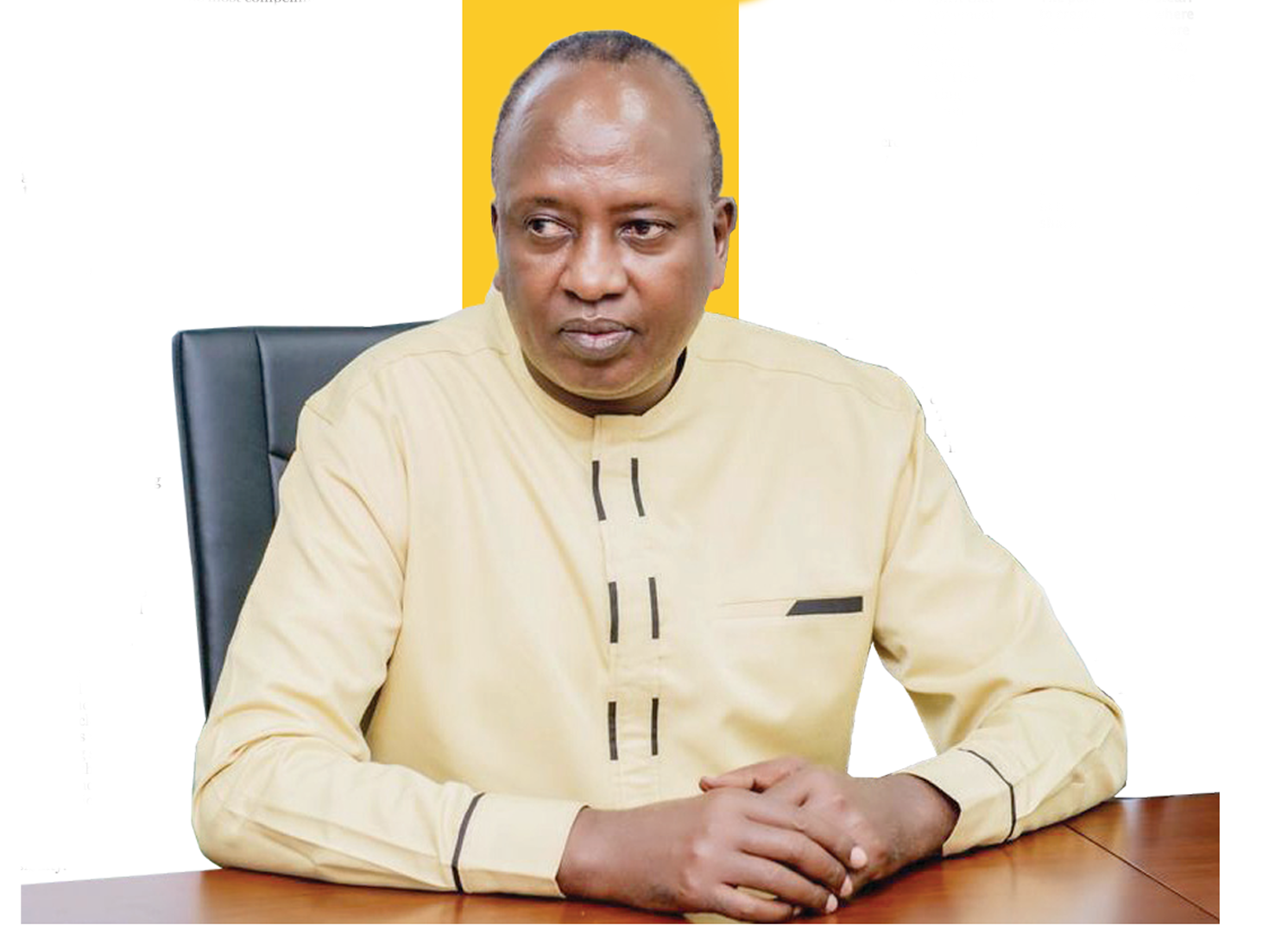
On December 15, 2025, Rwanda’s Minister of Foreign Affairs and International Cooperation, Olivier Nduhungirehe, criticised what he described as Western bias in a post on X.
Referring to air strikes on civilian areas, including Banyamulenge villages, he stated that such violations by FARDC had gone uncondemned for months, while international outrage only emerged when AFC/M23 responded.
Kagame’s defence of Rwanda’s position
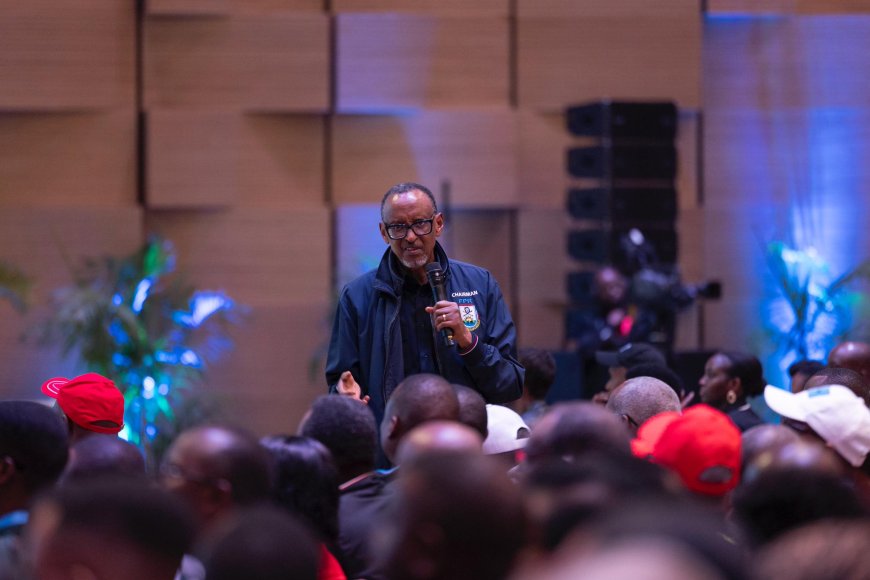
President Paul Kagame addressed the accusations on December 11, 2025 during the swearing-in of newly-appointed officials in Parliament.
He firmly rejected claims that Rwanda had violated the Washington Accords, describing them as false and driven by misunderstanding or bad faith.
“Rwanda signed the agreement willingly, accepted it, and will fulfil its obligations,” Kagame said. “If others also meet their responsibilities, it will lead us to peace.” He acknowledged the challenges inherent in peace processes, noting that agreements rarely satisfy all parties fully.
He also stressed that the fighting had begun well before the accords were signed. “When we went to America, fighting had already been going on for days and weeks,” the President said. “The situation already existed; it did not start after the agreements.”
Regional entanglements and Burundi’s role
The regional dimension of the conflict has further complicated efforts towards peace, particularly due to Burundi’s involvement.
After the DRC expelled East African Community troops in 2023, Burundi kept its forces in the country alongside FARDC, the FDLR, and troops from the Southern African Development Community.
Kagame recounted a conversation with Burundian President Evariste Ndayishimiye, in which he questioned Burundi’s deployment beyond southern areas such as Uvira and Minembwe.
Ndayishimiye denied having troops in northern regions. However, Burundian soldiers were later captured in combat in those areas, leading to diplomatic tensions.
Subsequent fighting in Uvira revealed the presence of thousands of Burundian soldiers across eastern and central DRC, including Minembwe, Kalemie, Kindu, Walikale, and even Kisangani.
Kagame questioned how such a large force had entered the country and expressed concern over continued attacks on civilians, particularly in Minembwe, using artillery and drones.
He criticised the silence of the international community, noting that outrage only followed events in Uvira, at which point Rwanda was blamed. “Now Rwanda is expected to bear responsibility for all the problems unfolding inside Congo,” he said.
Kagame emphasised Rwanda’s deep desire for peace, recalling the country’s own painful history. “We truly need peace,” he said. “We know what the absence of peace means, because we have lived through it.”
Glimmers of hope amid persistent shadows
Eastern DRC has seen repeated failed interventions. SADC troops, mercenaries, and regional forces have all been deployed, yet M23 advanced to capture Goma and Bukavu earlier in 2025.
More than 280 Western mercenaries and SADC troops were later repatriated through Rwanda. The Washington Accords sought to build on earlier efforts by focusing on dismantling the FDLR and lifting defensive measures to secure lasting peace.
On 15 December 2025, the AFC/ M23 announced a unilateral withdrawal from Uvira as a confidence-building measure under the Doha process.
They called for demilitarisation, civilian protection, and the deployment of a neutral force to monitor the ceasefire.
As accusations and reported violations continue, the international community watches closely. Whether this gesture will revive diplomacy or whether entrenched divisions will prevail remains uncertain.
What is clear is that the cost of failure for millions of civilians trapped in the conflict remains devastatingly high.