
The messages emerging from the 17th RPF Inkotanyi Congress and the unfolding crisis around the Washington Accords point to a central truth about Rwanda’s current moment: principles matter most when they are tested, both domestically and beyond the country’s borders.
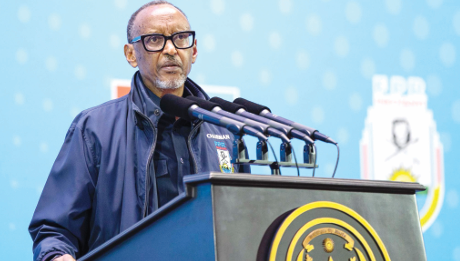
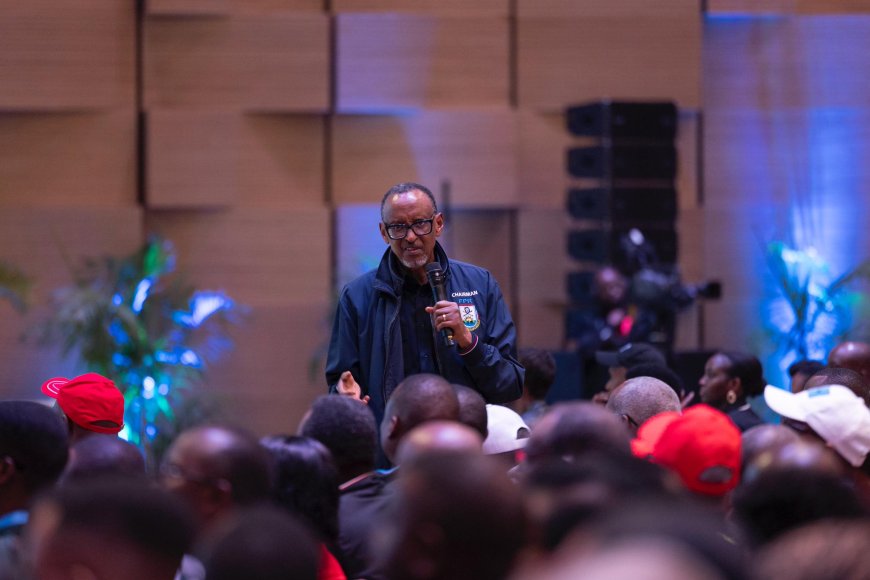
President Paul Kagame’s reaffirmation of an uncompromising stance against corruption was more than a routine declaration.
By insisting that methods may change but principles must not, the President anchored governance in continu ity, accountability and historical consciousness.
Rwanda’s strong standing in global anti-corrup tion rankings did not emerge by accident; it is the product of political will, institutional discipline and a shared understanding that corruption corrodes both state and society.
Yet the challenge ahead lies not in declarations, but in constant vigilance ensuring that evolving systems do not dilute hard-won standards.
Equally striking was the emphasis on unity: in dependent thought paired with collective action. In a society shaped by the scars of division and genocide, this balance is not rhetorical flourish but a political necessity.
It underpins Rwanda’s post-genocide reconstruction and continues to shape its approach to internal governance and national identity.
These same principles clarity of purpose, rejection of false narratives, and insistence on rights rather than favours now frame Rwan da’s position in the volatile eastern Democratic Republic of Congo.
The rapid unravelling of the Washington Accords underscores how fragile peace processes remain when trust is shallow and armed actors are deeply entangled with region al politics.
Rwanda’s rejection of accusations that it breached the accords, alongside its call for accountability over ceasefire violations and attacks on civilians, reflects a broader frustration: peace agreements cannot succeed if selectively interpreted or politically weaponised.
At stake is not only regional diplomacy but civilian lives Banyamulenge communities under siege, displaced Congolese families crossing borders, and a region trapped in recurring cycles of violence.
Rwanda’s insistence that the root causes of conflict, including the continued pres ence of the FDLR, be addressed is neither new nor unreasonable.
What is new is the intensity of competing narratives and the international community’s uneven response to violations on the ground.
Ultimately, Rwanda’s credibility at home and abroad rests on consistency. Upholding integrity in governance strengthens its voice in demanding fairness, truth and accountability regionally. Peace in eastern DRC will not come from accusations alone, but from honest engagement, regional responsibility and the courage to confront uncomfortable realities. The cost of failure, as history repeatedly reminds us, is far too high.