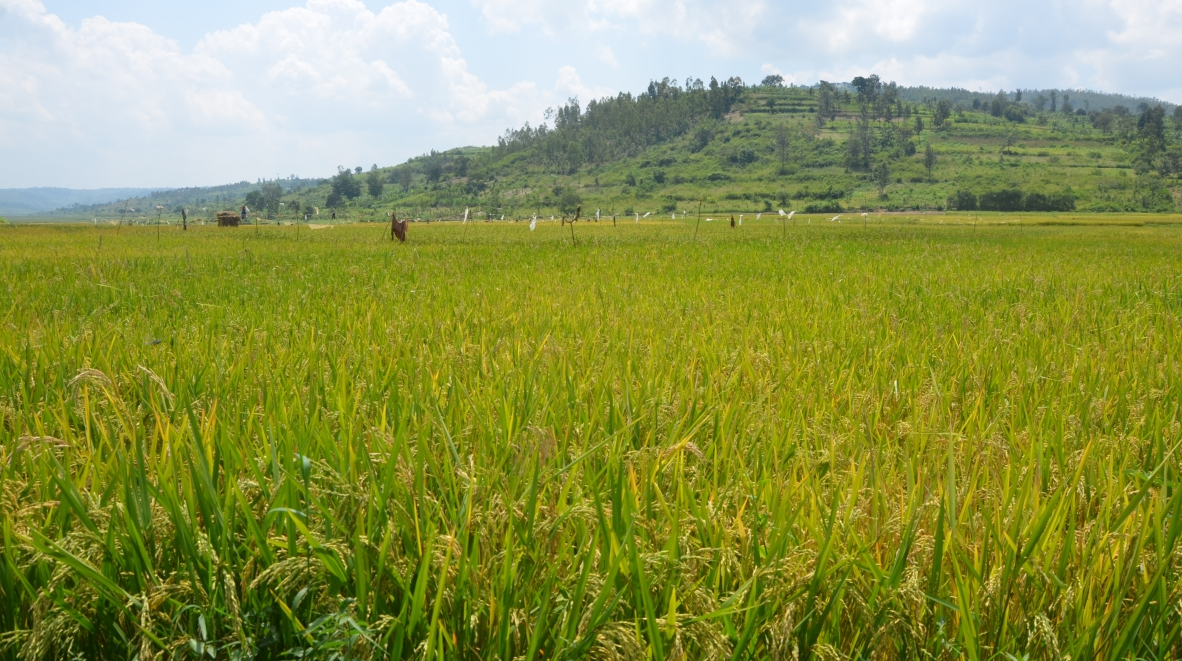

In the sun bleached hills of Kirehe, where long dry seasons have become a familiar strain on rural life, a quiet transformation is reshaping the land.
At first glance, the fields appear ordinary patchworks of green stitched across rolling valleys. But beneath the mulch-covered soil, an agricultural revolution led largely by women is taking root.
Across this corner of Eastern Rwanda, farmers are embracing Pfumvudza, a Shona word meaning “new spring growth.” The technique was first developed in Zimbabwe as a model for restoring degraded soils and improving food security for smallholder farmers.
It focuses on maximising productivity on small plots while conserving water, protecting the soil, and adapting to the pressures of climate change.
In Rwanda, the method is known as Ubuhinzi Budahungabanya Ubutaka, literally “farming that preserves the soil.” The method is simple enough to be carried out with hand tools, yet powerful enough to reverse declining soil fertility and significantly increase yields in some of the country’s most climate-stressed communities.
From Scattered Seeds to Structured Abundance
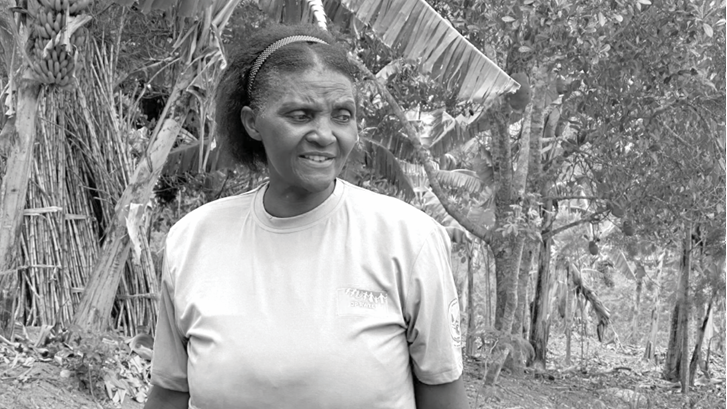
For farmers like Esperance Uwizeyimana, a mother of five in Gahara Sector, the shift feels like a new beginning.
She remembers a time when farming meant scattering seeds across hard, exhausted ground. Yields were unpredictable, inputs were costly, and the work often seemed to lead nowhere. “Before, we planted in chaos,” she says, standing beside a neatly arranged plot where maize stalks stand in evenly spaced rows. Now her field is organised with intention.
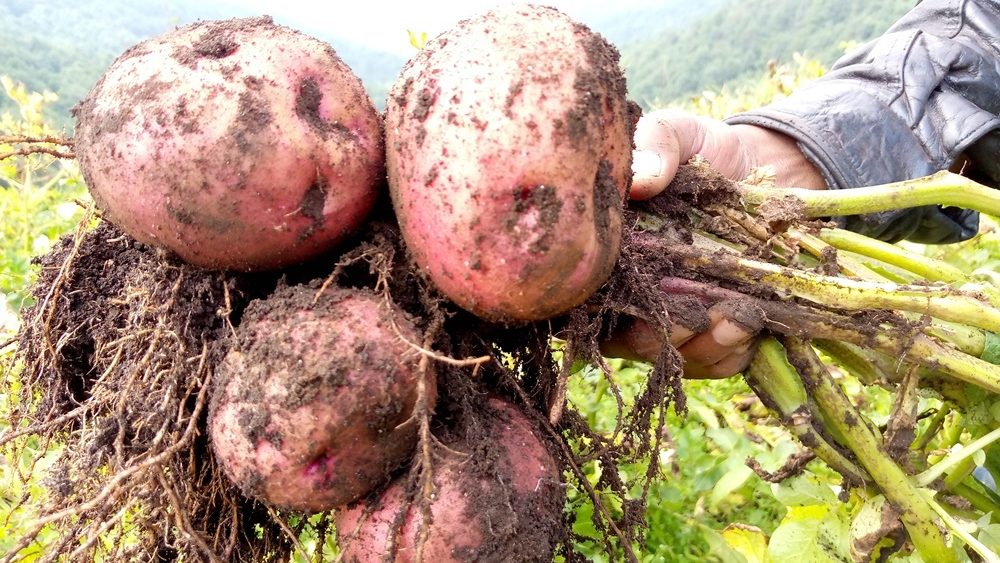
Small basins dug into the soil capture rainwater. Organic matter is mixed into each planting hole. A blanket of mulch protects the soil from the sun and locks in moisture even during the driest weeks. The results tell their own story.
On the same acre where she once harvested just twenty-seven kilograms of maize, she now produces more than one hundred kilograms and all without expanding her farmland.
Women at the Heart of a New Farming Culture Kirehe’s transformation is not unfolding quietly in isolated fields.
Women’s cooperatives across the district have become the driving force behind the spread of Pfumvudza.
In communities where many men migrate for work, women have assumed leading roles in managing farms, organising collective labour, and experimenting with new techniques.
At Uwizeyimana’s cooperative, a single trial plot has expanded to sixty acres in just two seasons. Expected maize harvests this year exceed ive tonnes figures farmers once considered unattainable. Their success continues to draw new members and inspire other cooperatives across neighbouring sectors.
“We rely on knowledge now,” one cooperative leader says. “It has changed not only how much we harvest, but how we understand our land.”
A Technique Spreading Beyond Kirehe
The momentum is not limited to one district. In Ngoma District, also in Eastern Rwanda, local leaders say they have observed similar progress as farmers adopt the same soil-preserving methods. “We have seen the benefits of this technique, both in yields and in the way it helps farmers withstand long dry spells,” says Mapambano Nyiridandi Cyriaque, Vice Mayor of Ngoma District in charge of Finance and Economic Development.
He notes that communities practising mulch-based cultivation and structured basin farming are reporting healthier soils, fewer losses to drought, and an overall shift in the mindset of smallholders adapting to a changing climate.
Farming That Listens to the Land
The power of Pfumvudza lies in its blend of scientific principles and local wisdom. Farmers disturb the soil as little as possible, preserving its natural structure and microscopic life. Mulch shields the earth from heat and erosion. Basins dug before the rainy season ensure that every drop of water is captured.
Seeds are placed with exact spacing, giving each plant the nutrients and sunlight it needs. Local agronomists supporting climate-smart agriculture across Eastern Rwanda say they are seeing consistent improvements wherever these methods are applied.
Soil retains moisture for longer. Crops recover faster after dry spells. Incidences of pests, especially armyworms, have dropped in mulched fields.
The method aligns with the broader national push for climate-smart agriculture and sustainable land management. “This method works because it respects the land,” an agronomist says during a field visit. “It builds resilience instead of exhausting the soil.”
A Transformation Beginning at Home
Perhaps the strongest indicator of the method’s success is its spread into household gardens. Many women now apply Pfumvudza in their own backyards, turning small kitchen plots into highly productive micro-farms.
Neighbours come to observe the planting lines, ask how the basins are made, and learn how to lay mulch properly. “We grow food, but we also grow knowledge,” Uwizeyimana says.
“When someone sees your field thriving, they ask how you did it. That’s how change spreads.” Farmers are now expanding beyond maize, experimenting with beans, vegetables, and other crops suited to local soils. Each season brings new adjustments as they refine the technique to their landscapes.
A Model for a Changing Climate
As climate change reshapes rainfall patterns across the region, Rwanda’s turn towards soil-preserving agriculture offers a compelling model for other African countries.
Originally born in Zimbabwe and adapted across the region, Pfumvudza demonstrates how low-cost, low-tech solutions can build resilience where it matters most: at the household level.
For Uwizeyimana, the method has become more than a technique; it is a new philosophy of farming. “Before, we prayed for good harvests,” she says. “Now we work knowing the land will reward us. We have confidence we didn’t have before.”