
Rwanda is accelerating its shift away from reliance on the Dar es Salaam route, betting on new trade corridors through the Central Corridor and across the Democratic Republic of Congo (DRC) to reduce import costs and expand exports.
Recent developments show that the strategy is already starting to pay off. Officials from Ministry of Trade and Industry say diversifying transit routes is a deliberate effort to lower dependency and increase resilience.
“Using multiple corridors gives Rwanda more flexibility, reduces cost risk, and helps ensure continuity even when one route faces delays,” reads the ministry of infrastructure transport sector strategic plan 2024 29. A key pillar in this plan is the Kigali Logistics Platform (KLP) in the Masaka area.
As part of the World Bank supported KLPConnect project, the Government is investing $26.5 million to upgrade road links between the platform and the Central Corridor.
The total project budget is more than $100 million, with a six-year implementation window extending to 2030. According to the World Bank, the upgrades “diminish transport costs” by improving connectivity between KLP and regional routes.
Trade Minister Prudence Sebahizi emphasised the inclusivity of the corridor plan, arguing that infrastructure must benefit not only large importers but local communities too. “There is movement of vehicles, people and goods that have to pass there.
That is why there should be markets and trade arrangements to facilitate free movement,” he said. Sebahizi also linked the corridor expansion to Rwanda’s ambition to double its exports under its National Strategy for Transformation.
Upgrades underway Infrastructure upgrades are already underway. The Rusumo International Bridge, a key link on the Central Corridor, now supports loads up to 180 tonnes more than triple the capacity of its predecessor.
According to Rwanda Transport Development Agency engineer, Honoré Munyanshongore, the bridge was built to accommodate 180 tonnes, compared to about 32 tonnes in its original design.
One local logistics official, Ngarambe Jean Paul said the bridge and the Rusumo One-Stop Border Post (OSBP) have dramatically improved clearance times. “Before we were delayed by around one hour. Now, that time has been saved, enabling more efficient cross-border trade and movement,” he said.
The OSBP also now allows 24 hour operations, easing congestion and speeding up transit. The Government also plans to streamline customs under a Single Customs Territory across the Central Corridor nations with Tanzania, Uganda, Burundi, Rwanda and others.
According to the Rwanda Revenue Authority, the system will require only a single customs declaration, instead of multiple ones in different countries, cutting time and costs for traders.
Analysts estimate Rwandan businesses could save as much as Rwf 45 billion (about $40 million) annually because of these reforms.
Trade data shows that clearing time for cargo from Mombasa to Kigali has plummeted from 21 days to six, and costs for a 40-foot container have dropped from US$4,990 to US$3,387. Cargo volume discharged at Dar Port for Rwanda reached 135,889 tonnes monthly in 2023, up from the previous year. Meanwhile, exports to the DRC reached US$69.9 million in Q2 2025, accounting for more than 20% of Rwanda’s total exports, with some goods seeing year-on-year growth of 42%.
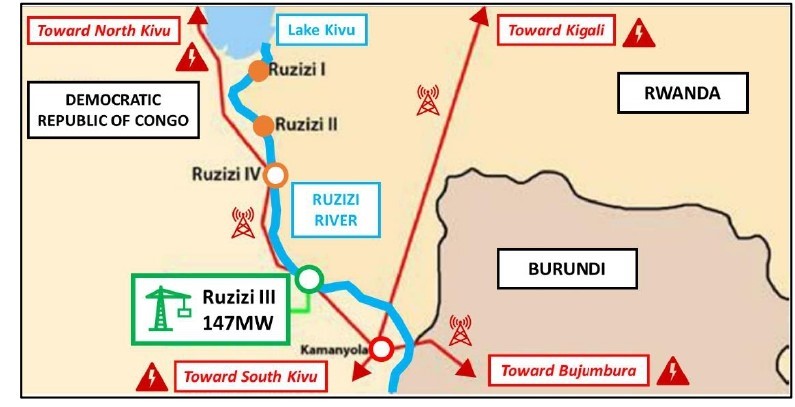
According to figures from the National Institute of Statistics of Rwanda (NISR) Part of the corridor expansion also involves Lake Kivu infrastructure.
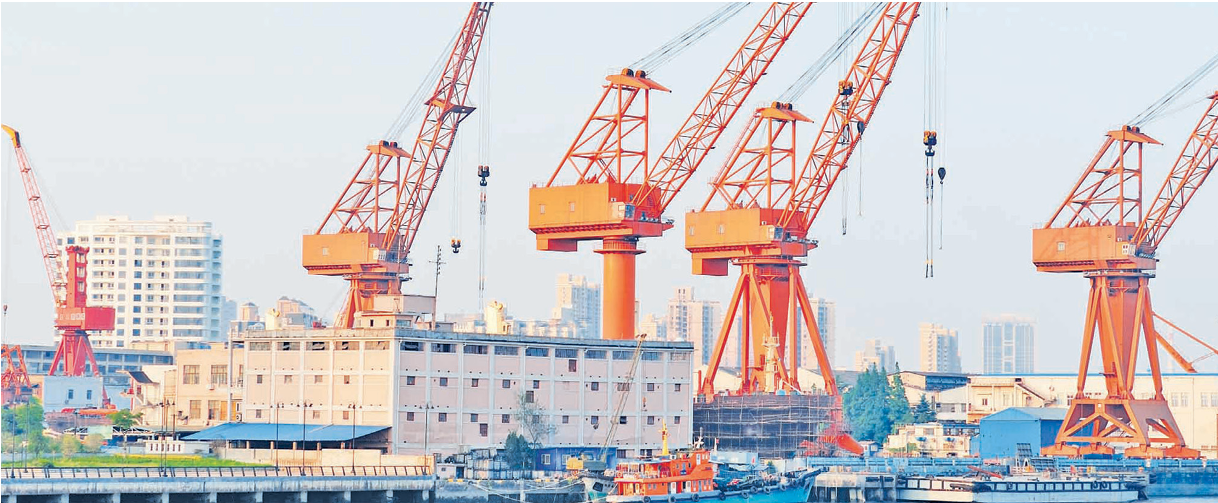
The Rubavu port, launched in a pilot phase in 2024, is expected to handle up to 700,000 tonnes of cargo annually once fully operational. Experts project it could reduce trade costs from $28.40 per metric tonne to about $12.17.