
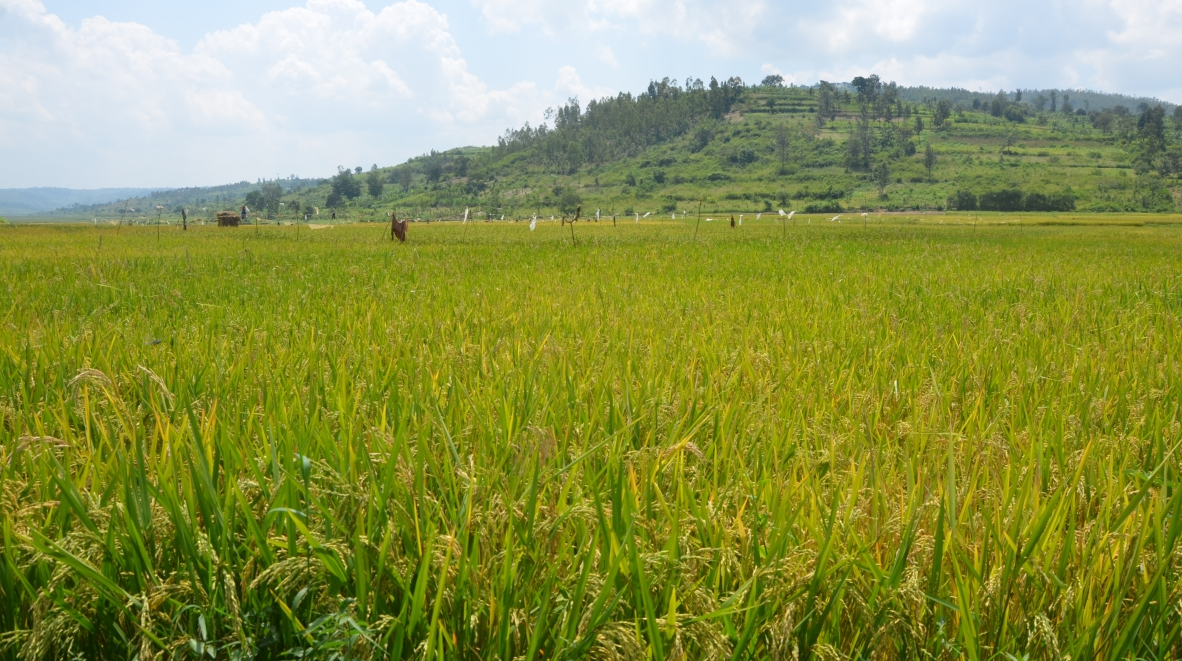

In the humid marshlands stretching from Bugarama to Kirehe, a quiet revolution is unfolding; one grain at a time. Rwanda is betting on three newly developed rice varieties, Keza, Teta, and Agasaro, to break its heavy dependence on imports and redefine the future of local rice production.
These varieties aromatic, high-yielding, and tailored to the Rwandan palate represent years of research by the Rwanda Agriculture and Animal Resources Board (RAB).
As the country races toward its ambitious goal of tripling rice production by 2030, these seeds are emerging as symbols of scientific progress and agricultural transformation.
In an exclusive interview with Dr Solange Uwituze, the Deputy Director General of Rwanda Agriculture Board (RAB), The Dawn obtained fresh details on how these varieties were developed, where they will be grown, and how they could reshape Rwanda’s rice economy.
Designed for Rwanda, for Rwandans
Unlike many imported varieties that dominate supermarket shelves, Rwanda’s new rice lines were crafted deliberately around consumer expectations. “We listened to what Rwandans want,” Uwituze explained. “
Keza and Agasaro are aromatic, have a pleasant smell, and produce medium-to-long grains that shine after cooking. Teta, though not aromatic, is long-grain and has an excellent taste.” For a country where household preferences strongly favour long grain and aromatic rice often imported at a high cost this effort marks a major step toward consumer centred crop development.
Where the new seeds will grow
The varieties have been designated for specific agro-ecological zones. Keza will be grown in Rusizi District in southwestern Rwanda, particularly the Bugarama plain. Agasaro has been assigned to the Kirehe marshlands in Eastern Province. Teta will be planted in Gisagara, Bugesera, Gatsibo, Gasabo, and Nyagatare, which fall within Rwanda’s mid altitude districts.
Each location was selected based on soil characteristics, water availability, and historical performance of similar varieties.

From trial plots to farmers’ fields
All three varieties have passed through Rwanda’s rigorous national variety release system. “They were officially approved by the National Variety Release Committee,” Uwituze confirmed. “They are now in the hands of private seed multipliers who will supply farmers at scale.”
The approval marks the beginning of a larger rollout expected to accelerate over the next two planting seasons.
Farmers in targeted districts will soon access certified seed, while RAB monitors performance through extension services and seed companies.
Post-harvest value chain
Introducing new varieties is only half the equation. Ensuring that they reach markets without losses or quality degradation is equally important.
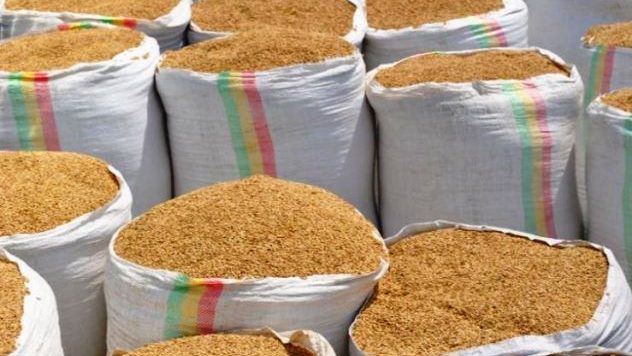
Fortunately, Rwanda’s existing post-harvest infrastructure, including drying areas, milling machines, and Food Basket Sites (FoBaSi) can handle these varieties without modification. However, processors will need to adapt their systems for quality control.
According to RAB, millers will be required to process the varieties separately to avoid contamination. Packaging will need to use specific branded bags that highlight Rwandan identity.
Distributors must also be strategically selected to promote locally grown rice in major markets and supermarkets.
Unlocking market competitiveness
For these varieties to compete effectively with imported rice, pricing will play a decisive role. “Keza and Agasaro must have attractive farm-gate prices that reflect their aroma and quality,” Uwituze said. “Farmers need strong market incentives to adopt aromatic varieties.” She explained that the long-term goal is to build a premium Rwandan brand that can stand alongside Basmati on local shelves, and potentially enter regional markets.
Statictics obtained from RAB indicate that Rwanda spent more than $317 million importing rice last year, despite producing 142,000 tonnes domestically. With imports rising faster than local output, the pressure to strengthen domestic supply has never been greater. “The introduction of Keza, Teta, and Agasaro is a strategic step toward closing this gap by increasing yields, meeting consumer preferences, strengthening value-chain infrastructure, reducing import dependency, and enhancing farmer incomes,” Uwituze noted.
A seed of possibility
From Bugarama’s expansive wetlands to the mid altitude plains of Nyagatare, farmers may soon plant seeds that symbolise more than just a crop, they represent Rwanda’s push for food security, economic resilience, and scientific innovation.
Uwituze is optimistic that with the arrival of Keza, Teta, and Agasaro, Rwanda is not just growing rice, but rather cultivating socio economic possibilities. The success of these varieties would not only redefine the future of Rwandan rice production, but also potentially position the country as a regional supplier in the coming years