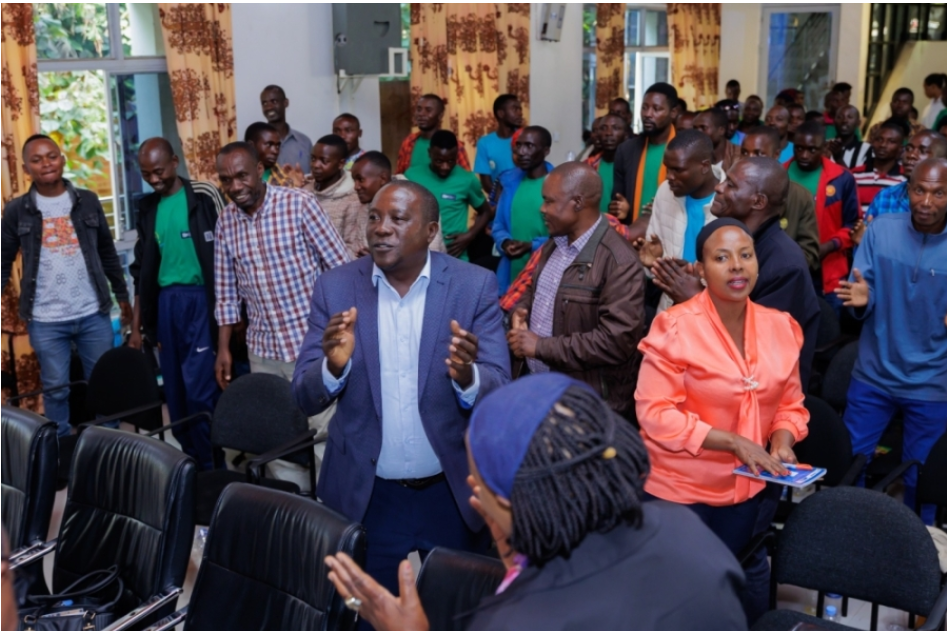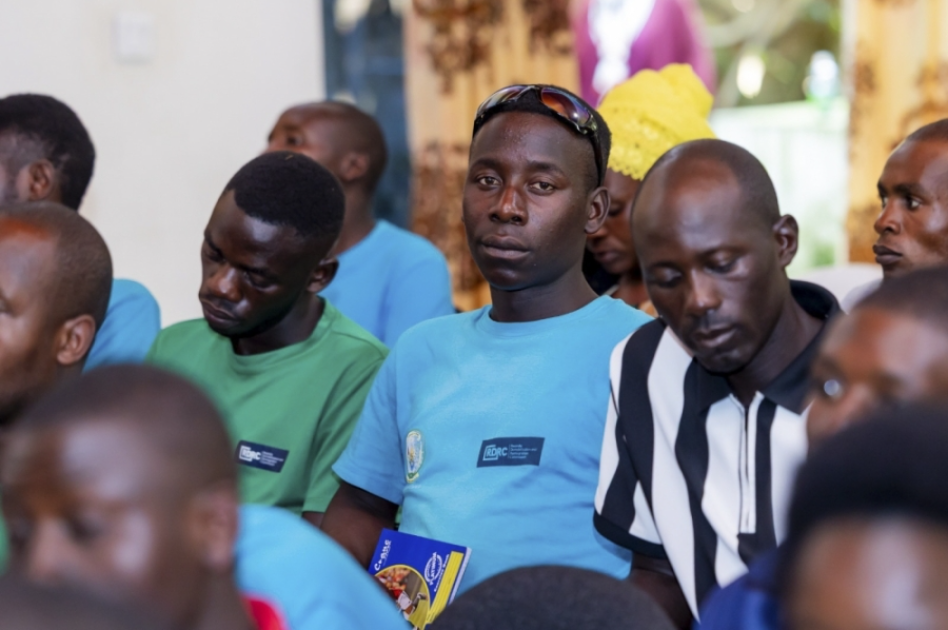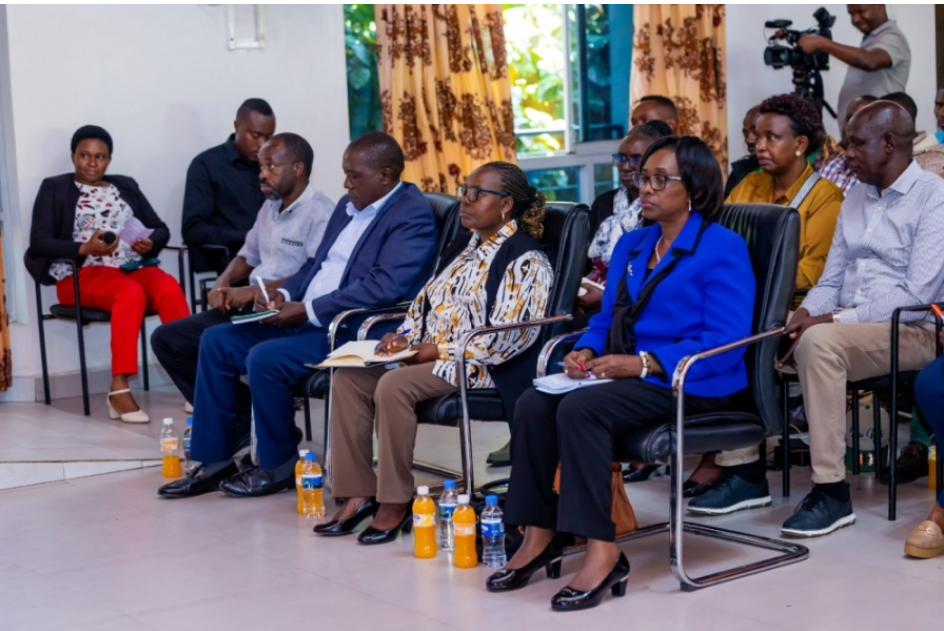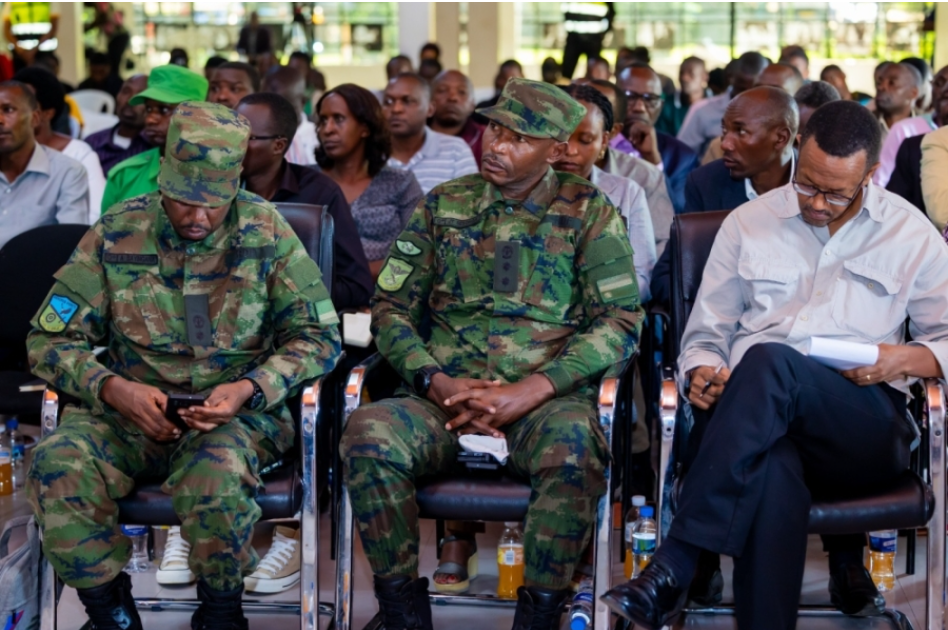

After more than a decade in the ranks of the Rwandan genocidal militia FDLR in eastern DR Congo, Corporal Innocent Tuyisenge is learning how to live without a gun.
Tuyisenge, 28, was born in DR Congo to Rwandan parents and grew up in Kalenga, Masisi territory of North Kivu province . His childhood ended abruptly at 15, when he was forcibly recruited by FDLR fighters while working on a farm.
“It was on Saturday. About 15 of us youths were working together in our cooperative when armed men surrounded us,” he recalled. “They told us to carry bullets to another group nearby and promised to let us return homes later. We walked until nightfall and instead found ourselves inside a military camp very far from home.”
That marked the beginning of a decade-long ordeal defined by military training, indoctrination and violence. Tuyisenge said the first six months were spent on military training alongside children as young as 10, during which ethnic hatred was systematically instilled.
“We were taught that Tutsi were our enemies, that they expelled us from Rwanda, and that our mission was to fight them in DR Congo before one day capturing Rwanda,” he said.
Many did not survive. Those who endured were deployed to fight groups labelled as “enemies”, including M23 rebels, Tutsi civilians, and various civilian groups targeted for looting.
“Survival meant fighting,” he said. “If we needed food or money, we attacked. Orders were never questioned.”
Tuyisenge said the violence extended to cross-border attacks into Rwanda’s western and southern regions, alongside clashes involving the Congolese army, Wazalendo militias and other armed groups.
He is among hundreds of Rwandans who returned home in early 2025 through voluntary repatriations facilitated by the UN Refugee Agency following the capture of Goma by AFC/M23.
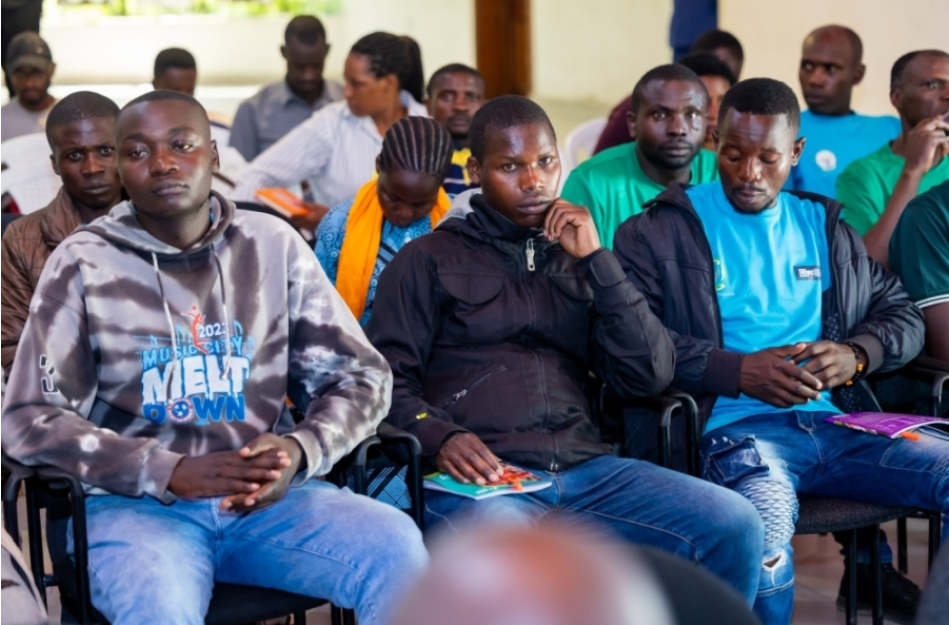
Upon return, the former combatants underwent demobilisation and reintegration training at Mutobo Demobilisation Centre in Musanze District, while civilians were enrolled in community-based reintegration programmes.
Today, Tuyisenge, who lives Kanzenze, Rubavu District, says life in Rwanda is very different from what they were taught as FDLR elements.