
Akagera National Park is racing toward a rare conservation feat: becoming f inancially self sufficient within a few years, park officials say. That goal comes amid a surge in tourism and growing confidence that visitor revenue can cover the park’s steep running costs.
Rwanda’s eastern savanna reserve recorded 56,219 visitors in 2024, including 48,230 paying guests, nearly half of whom were Rwandan citizens, according to the park’s 2024 annual report. Total park income reached $4.7 million last year, with roughly 97% of that figure coming from tourism. “We expect Akagera to break even or make a profit by 2028,” said Jean Paul Karinganire, the park’s funding and reporting manager told The Dawn in an exclusive interview.
To reach that milestone, Akagera is aiming to raise annual visitor numbers to 65,000 and encourage longer stays. He said a major driver of the park’s growth has been Rwanda’s “Visit Rwanda” tourism campaign, which includes partnerships with high-profile European football clubs such as Arsenal, Paris Saint Germain and FC Barcelona.
However, the strategy carries risk asthis month, the Rwanda Development Board announced that its sleeve sponsorship deal with Arsenal will end in June 2026. Analysts warn the change could affect Akagera’s visibility in key markets, potentially slowing the inflow of long-stay, high spending tourists.
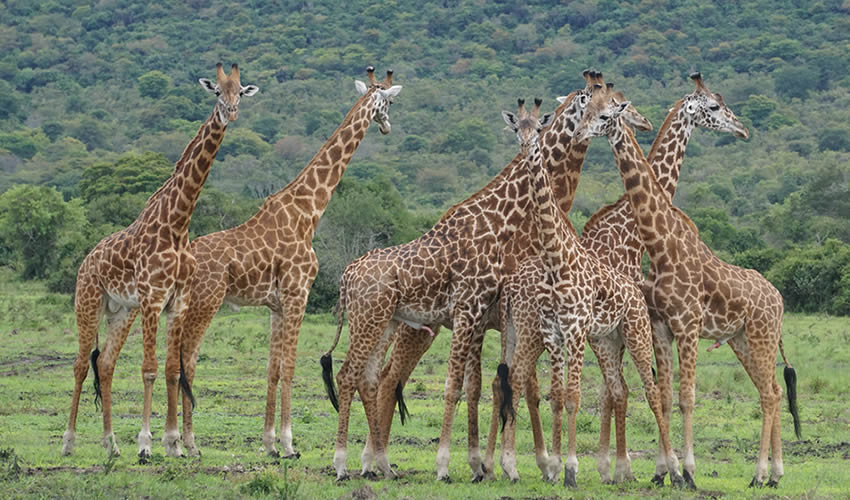
Karinganire noted that conservation gains are central to Akagera’s turnaround. “Following the reintroduction of lions in 2015 and white rhinos in 2017, the park now markets itself as a rare “Big Five” destination,” he said.
Park biologists have also documented nearly 500 bird species, along with dung beetles and butterflies, using monthly biodiversity surveys. Akagera is not just enriching its wildlife but it is channelling tourism funds back into the community. Ten percent of park revenue flows into Rwanda’s Tourism Revenue Sharing scheme, which supports local micro businesses, schools and health projects. The park also employs more than 300 full-time staff from nearby districts, strengthening its social and economic ties.
Challenges persist
In late 2024, Marburg and monkey pox outbreaks, along with the temporary closure of Karenge Bush Camp for renovations, contributed to a 3% drop in tourism revenue. Human-wildlife conflict also remains a concern with wildlife such as elephants and buffaloes sometimes stray into nearby communities, causing crop damage.
Still, conservation leaders say Akagera’s push toward f inancial independence could make it a model for other parks in Africa. If the plan succeeds, the park may no longer need to rely on foreign aid a rare achievement in a field often sustained by philanthropy rather than self-generated income.