
President Paul Kagame has expressed optimism about the ongoing efforts to achieve lasting peace in the eastern part of the Democratic Republic of Congo (DRC) through the Washington process.
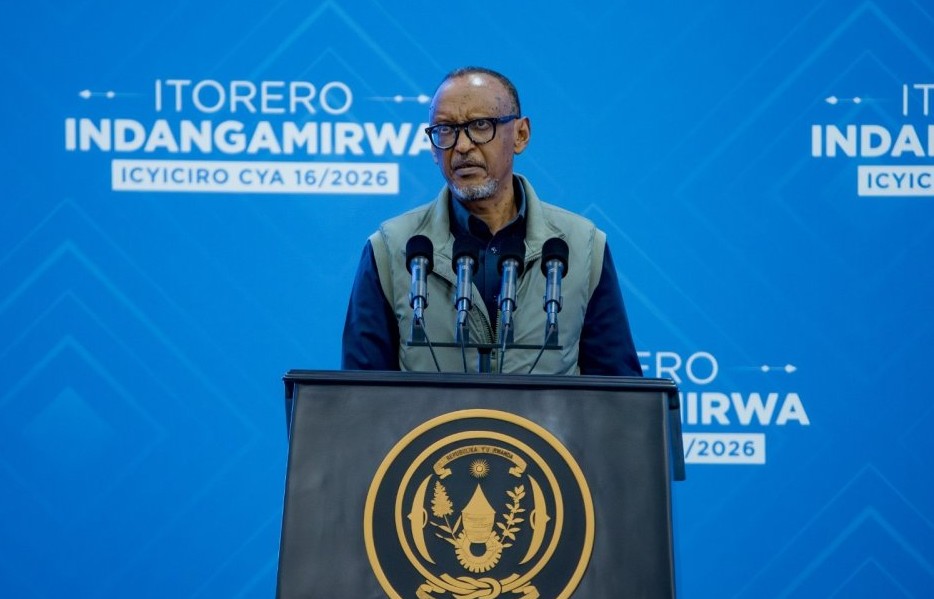
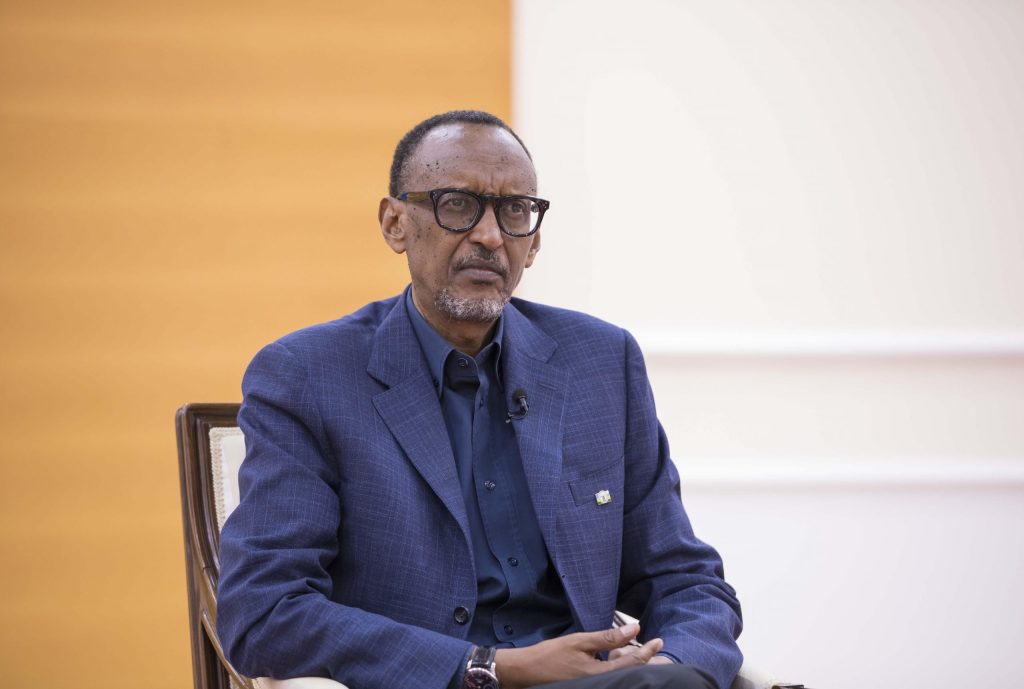
Speaking at a roundtable with journalists in Kigali on Thursday, 27 November 2025, Rwanda’s Head of State emphasised that, despite the challenges and the shifting stances of DRC leaders, the ongoing dialogue in Washington, U.S, represents a significant step forward in the quest for peace and stability in the region.
“There is that possibility, there is that framework that is in place, and the Trump administration seems to have done their best,” Kagame remarked, reinforcing the importance of the ongoing talks and the role of the international community, including the United States.
Kagame made these remarks amid a reported shift in the positions of DRC leaders and ongoing diplomatic efforts to address the long-standing conflict in eastern DRC. He acknowledged the complexities of the situation, pointing to the inconsistency in actions and statements from DRC leaders. While the DRC government had earlier committed to agreements in Washington and Doha, it often reneged on those commitments, complicating the peace process. “You agree on one thing in Washington or Doha, it is made public, then the next day or week someone says, ‘No, no, no, we are President Kagame optimistic about tangible outcomes from Washington talks continue working towards peace while focusing on not going to do this and this until something else is done’,” he said, reflecting the unpredictability of the DRC’s approach.
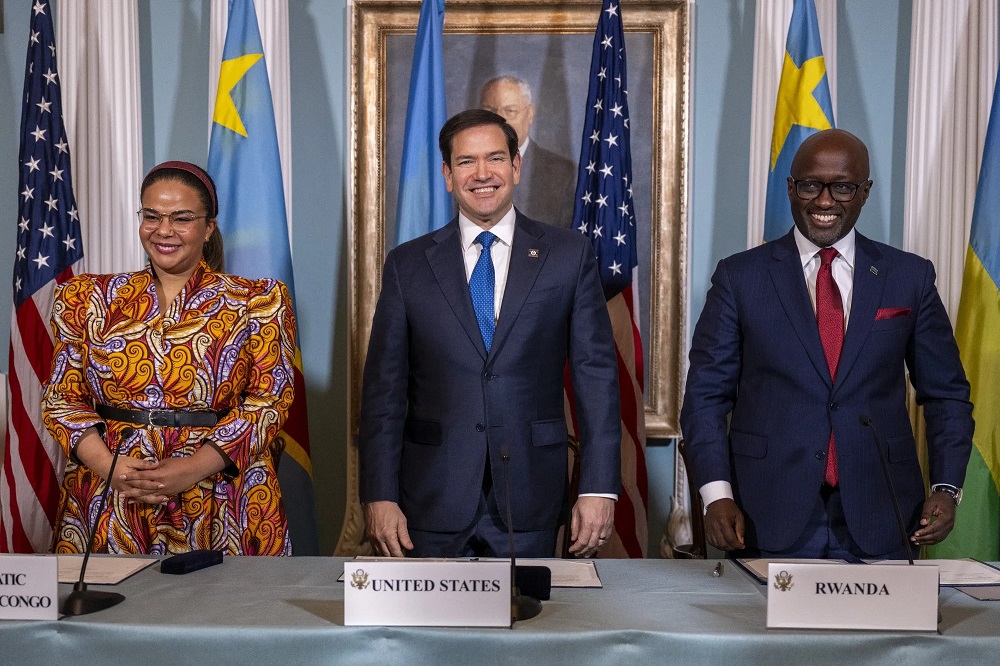
The Washington talks, alongside Qatar’s mediation efforts, represent a pivotal step in resolving the conflict in the DRC, with Rwanda supporting both processes. The peace agreement signed between Rwanda and the DRC in June 2025, followed by the initialling of an economic cooperation agreement, set the stage for broader economic collaboration despite setbacks in recent months. Kagame, however, emphasised that the onus of ensuring lasting peace lies with the leaders of the region, including those of the DRC, as well as with the broader international community. He noted, “Even the most powerful will remain wondering which way to go, or frustrated, if you will,” unless those directly involved take full responsibility for the situation.
Kagame concluded by reaffirming his optimism, despite the setbacks, and expressed his readiness to Rwanda’s priorities. “I am always optimistic. Hopefully, there is a chance another day and the following day. But I am mainly prepared to take care of the business I have to take care of,” he stated, underlining his commitment to resolving the issues at hand.
Background to the Eastern DRC conflict The conflict in eastern Democratic Republic of Congo (DRC) is one of the most protracted and complex crises in Africa, rooted in historical, political, and ethnic tensions that span several decades. Its origins trace back to the aftermath of the 1994 Genocide against the Tutsi in Rwanda, when millions of refugees, including members of the former Rwandan army and Interahamwe militia, fled into eastern DRC. Their presence destabilised the region, contributing to the outbreak of the First Congo War (1996–1997) and later the Second Congo War (1998–2003), which involved multiple African nations and resulted in millions of deaths, largely from disease and displacement. Following the official end of the war, eastern DRC remained troubled by the proliferation of armed groups. These include the Democratic Forces for the Liberation of Rwanda (FDLR), a militia formed partly by elements responsible for the 1994 genocide, as well as numerous Congolese rebel movements such as the March 23 Movement (M23). unresolved ethnic grievances have sustained instability in the region.
Relations between Rwanda and the DRC have been periodically strained, with each side at times accusing the other of supporting proxy armed groups. International organisations, regional blocs, and foreign governments have repeatedly attempted to mediate, but lasting progress has been elusive. Peace initiatives ranging from the 2000s peace accords to more recent processes in Nairobi, Luanda, Doha, and Washington have aimed to address security concerns, repatriate foreign combatants, and stabilise the region, yet implementation has often stalled. The humanitarian impact remains severe. Millions have been displaced, and communities continue to face violence, insecurity, and limited access to basic services. Despite these challenges, regional and international actors continue to pursue diplomatic solutions, seeking to address both immediate security issues and the deeper political and economic drivers of the conflict.