
Rwanda plans to introduce a specialised curriculum for students with disabilities, allowing teaching methods and assessments to reflect their individual abilities and learning needs.
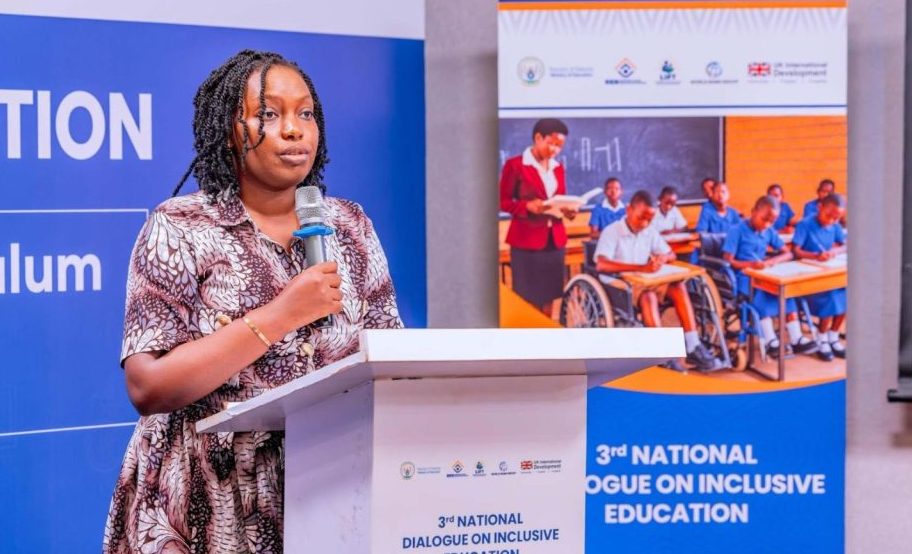
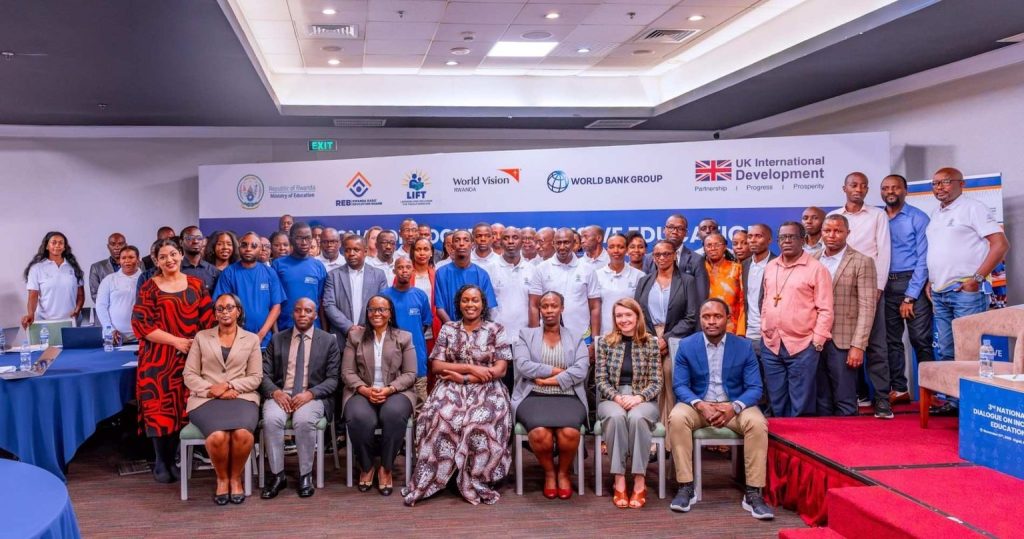
The Ministry of Education announced the plan on November 27, 2026, during a consultative meeting with partners, including the World Bank and World Vision, to discuss ways of strengthening inclusive education in the country.
State Minister for Education Claudette Irere said more needs to be done to ensure that no child with a disability is left behind in accessing education.
She said identifying learners with disabilities should go beyond recognising their conditions. Schools also need to assess their individual abilities and provide appropriate support. She called for greater public awareness to encourage families to enrol children with disabilities rather than keeping them at home.
People with disabilities working in the education sector say Rwanda has made progress in expanding access to education, but some learners still face difficulties with a curriculum that does not adequately respond to their needs.
Mukanziza Venancie, a visually impaired woman working in the education sector, welcomed government efforts but said learners with intellectual disabilities continue to face particular challenges.
“Some categories still face challenges, especially those with intellectual disabilities. The ordinary curriculum is not something they can easily follow,” she said.
Twibanire Promesse, a learner with an intellectual disability at Ubumwe Community Center in Rubavu District, also welcomed the proposed curriculum.
He said some learners had left school not because they were unable to learn, but because they struggled to keep up with the pace of lessons designed for other students.
“If they introduce it, it will help us a lot,” he said, calling for more vocational training opportunities for young people with disabilities who have acquired practical skills. He said such training could help them turn their skills into a source of income.
The ministry says efforts to improve inclusive education have included training teachers and other education personnel. The number trained increased from 10,699 to 18,281 over the past five years. Across the country, 3,439 schools now have basic facilities to support learners with disabilities.
However, figures from the Ministry of Education for the 2024/2025 school year show that Rwanda had 43,663 learners with disabilities, representing 0.9 per cent of the country’s 4.8 million students.
More than 31,000 were enrolled in primary schools, while 5,559 attended secondary schools. Another 745 were in technical and vocational education, and 1,479 were enrolled in higher learning institutions.
The report also shows that 68.8 per cent of schools have infrastructure that facilitates access for learners with disabilities, meaning many schools still need improvements.
The proposed curriculum is intended to help address the gap between access to school and the ability to learn by giving students with disabilities a better opportunity to follow lessons and demonstrate their knowledge.