
Fewer than one in three working-age people with disabilities in Rwanda were engaged in work for pay or profit in 2025, according to the National Institute of Statistics of Rwanda (NISR), highlighting barriers to economic participation that a newly launched national network aims to address.
The 2025 Labour Force Survey found that 29.7% of working-age people with disabilities were engaged in paid or profit-making work. The figure covers people aged 16 and above who were working for pay or profit.
Against this backdrop, Rwanda launched the National Business and Disability Network (NBDN) on November 25 to bring employers, government institutions, disability organisations and higher learning institutions together to expand employment, vocational training and entrepreneurship opportunities.
The network will be coordinated by the National Union of Disability Organisations in Rwanda (NUDOR), in partnership with the Ministry of Public Service and Labour (MIFOTRA) and the Private Sector Federation (PSF).
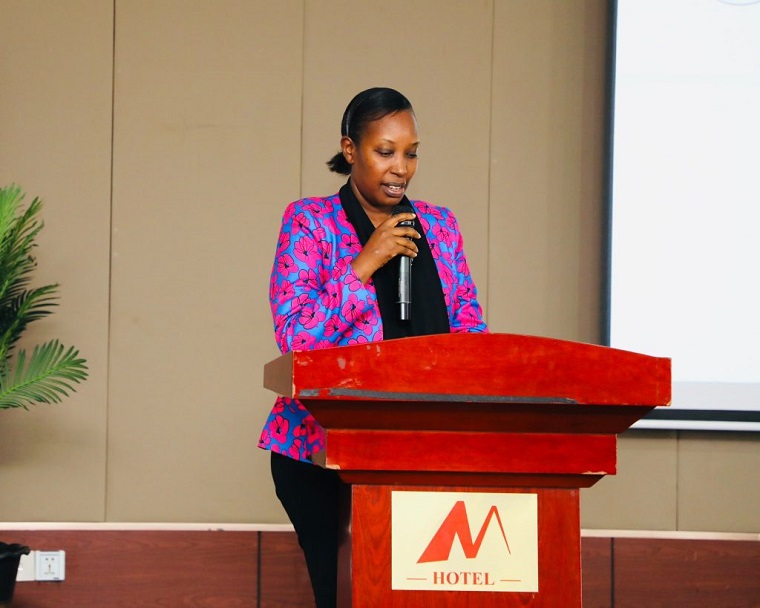
NUDOR chairperson Dr Beth Nasiforo Mukarwego said the platform would advocate for greater access to jobs for people with disabilities, arguing that employers should assess applicants on their abilities rather than make assumptions based on their disabilities.
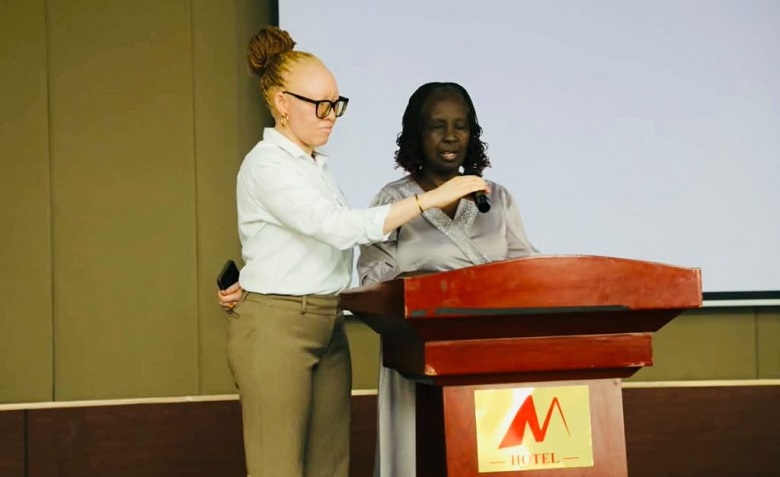
She said some employers had already hired people with disabilities who were performing their duties effectively, but negative attitudes continued to limit opportunities for others.
Annet Benegusenga, a PSF staff member responsible for youth, women and people with disabilities, said the network would help employers and jobseekers share information and identify practical solutions to barriers in recruitment and the workplace.
She noted that some employers worry that accommodating workers with disabilities could involve additional costs or require adjustments they do not know how to make.
For example, a company may hesitate to employ a deaf applicant because none of its staff knows sign language. Benegusenga said the network would help stakeholders explore ways to address such concerns rather than allow them to prevent recruitment.
The 2022 Population and Housing Census counted 391,775 people with disabilities aged five and above, equivalent to 3.4% of the population in that age group.
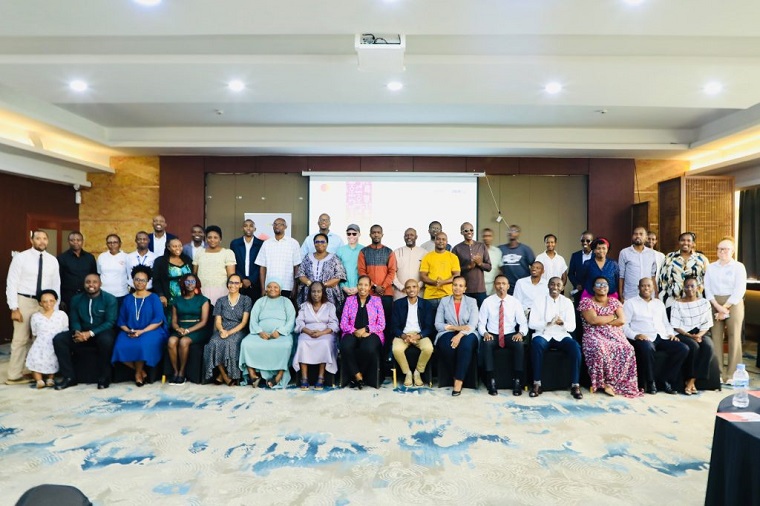
NBDN is expected to promote inclusive recruitment, improve workplace accessibility and strengthen training and advocacy so that people with disabilities can compete for jobs and pursue business opportunities.
Its partners say sustained cooperation between employers, public institutions and disability organisations will be necessary to translate equal-opportunity commitments into greater participation in the labour market.