
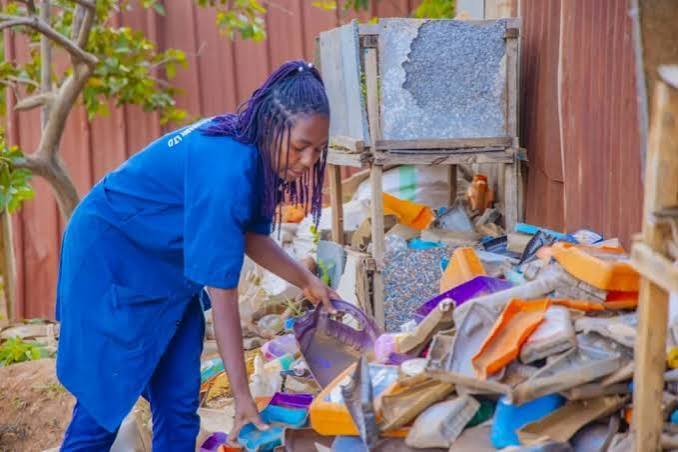
Residents in parts of Rwanda say the lack of public waste collection points is contributing to poor waste disposal, exposing households to health risks and affecting farming activities.
In some communities, residents say rubbish is dumped in fields, waterways and other open spaces because there are few designated places to dispose of it.
The problem is particularly concerning in parts of the Southern and Western provinces, where residents say the absence of communal waste bins makes proper disposal difficult.
Marie Chantal Nyiramwasa, a resident of Nyaruguru District, said rubbish was often discarded wherever people could find space, particularly outside trading centres.
“Waste is not being managed properly because people still throw it wherever they find a place. You find plastic bags scattered in farms, and when they spread across the fields, crops cannot grow properly. We have a problem because some people do not understand the importance of collecting waste and taking it to designated places,” she said.
Emmanuel Habineza said rubbish and soil washed away by rain could end up in rivers, potentially affecting water used by communities.
“When it rains, runoff carries the waste into rivers, yet people depend on that water for drinking. This can expose them to diseases,” he said.
The concerns come as Rwanda continues to strengthen its environmental policies and laws, although residents and civil society organisations say implementation at community level remains a challenge.
Transparency International Rwanda (TI-Rwanda), together with other civil society organisations, is implementing the Citizen Actions for Climate Resilience (CACR) project to help address gaps in public participation in environmental and climate-related decision-making.
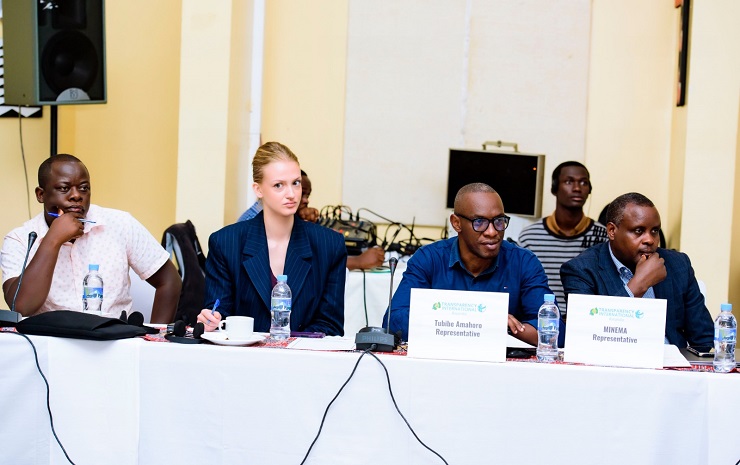
TI-Rwanda Executive Director Apollinaire Mupiganyi said waste management remained a major challenge outside Kigali, where progress had been more visible.
He called on districts to make waste collection infrastructure part of their development plans and allocate budgets for it.
“Waste management is still a challenge. In some districts, there are no proper places for disposing of rubbish, and the way it is handled has consequences for people’s health and the country as a whole,” Mupiganyi said.
He added that waste should also be viewed as a resource that could be turned into useful products rather than being left to harm communities and the environment.
Deputy Ombudsman in charge of preventing and fighting corruption, Abbas Mukama, said residents should be involved in decisions about development programmes affecting their communities.
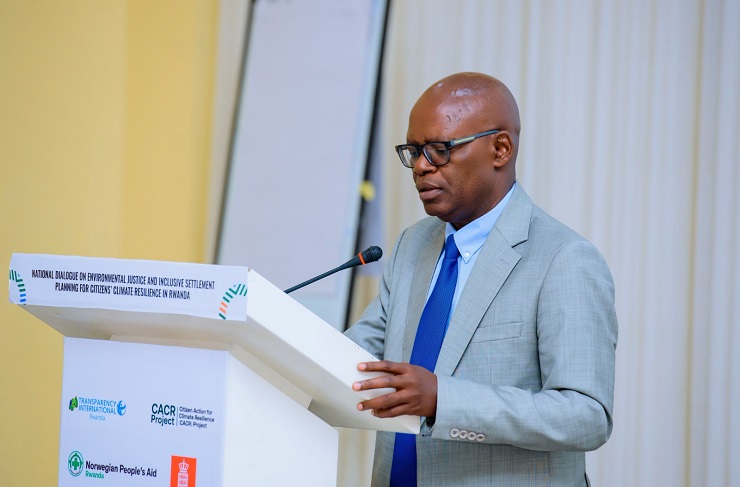
He urged local authorities and citizens to work together to find lasting solutions to waste management challenges.
TI-Rwanda says other environmental concerns include inadequate rainwater management, deforestation, illegal mining and disputes over compensation for people relocated from development sites.