

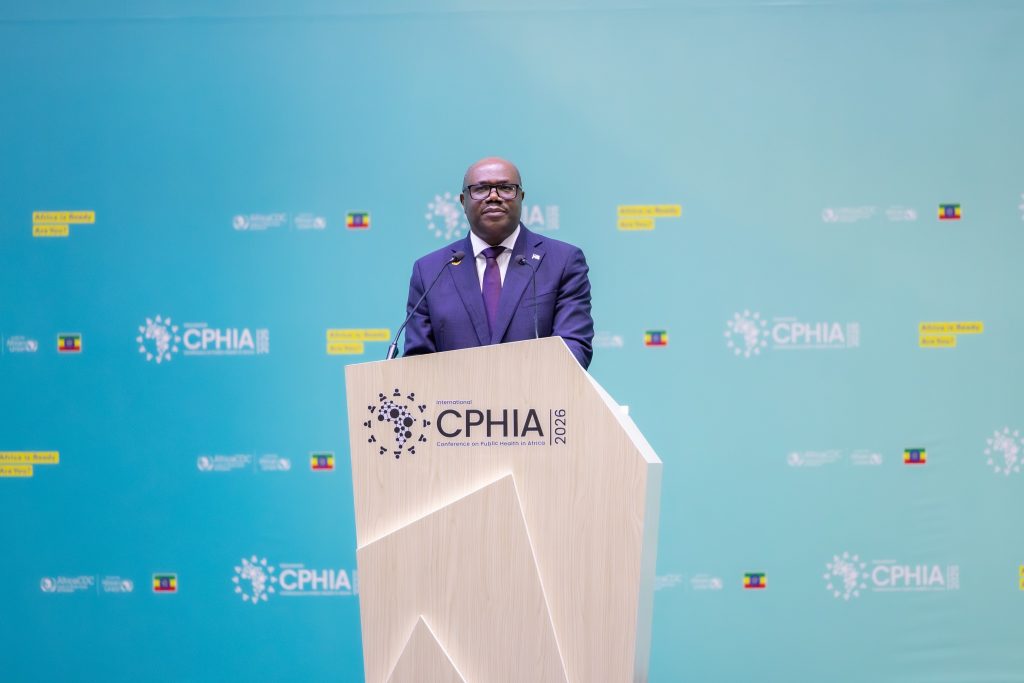
Rwanda’s community-based health insurance scheme has helped expand access to healthcare and could offer lessons to other African countries seeking to finance essential services with domestic resources, Prime Minister Justin Nsengiyumva said.
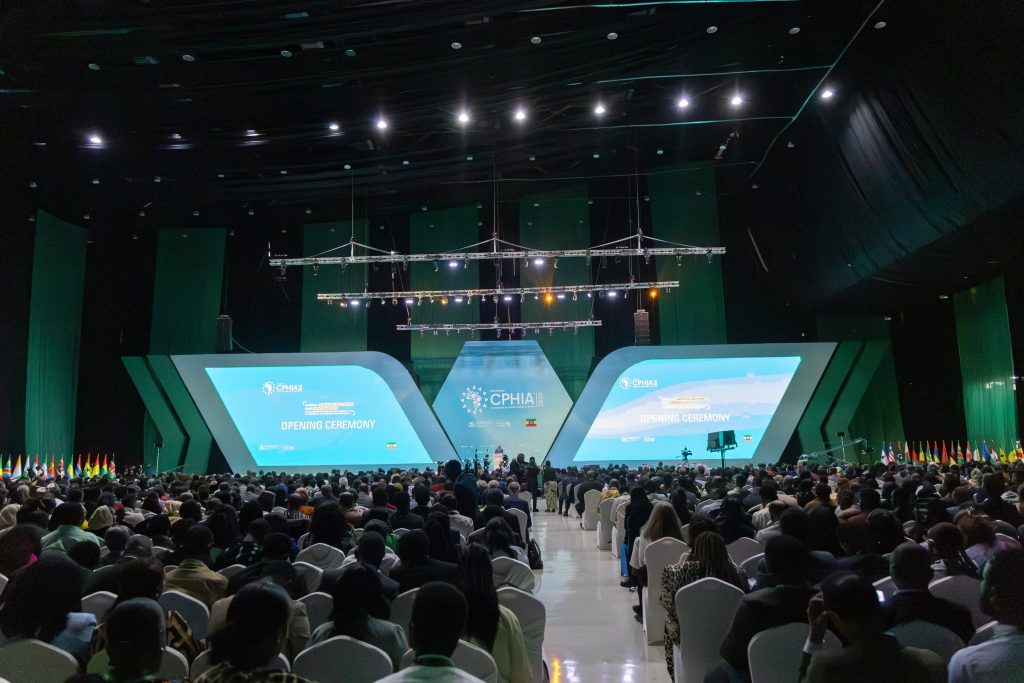
Addressing the fifth International Conference on Public Health in Africa (CPHIA 2026) in Addis Ababa, Ethiopia, on November 23, Nsengiyumva identified domestic health financing as one of four areas in which Rwanda’s experience could inform efforts across the continent.
He said Mutuelle de Santé, which has operated for more than 25 years, helps about 89% of Rwandans access healthcare, including basic medicines and specialised treatment.
The scheme was developed to help households access medical services at a cost they can afford, particularly those unable to pay for treatment out of pocket.
Nsengiyumva said Rwanda had revised the contribution system in 2026 to make payments reflect people’s financial circumstances. Under the arrangement he described, people with greater financial means contribute more, while the government covers contributions for those unable to pay.
He said members currently finance 37% of the scheme’s costs, with the remaining 63% coming from the government and private sector.
The government has also expanded the services covered by the scheme to include treatment for cancer, kidney transplants and heart surgery, he said.
Nsengiyumva linked the development of Rwanda’s health system to improvements in key health indicators over the past two decades.
Figures from Rwanda’s 2025 Demographic and Health Survey show that infant mortality fell from 107 deaths per 1,000 live births in 2000 to 27 in 2025. The maternal mortality ratio declined from 1,071 deaths per 100,000 live births in 2000 to 149 in 2025.
He said those improvements were supported by investments in health workers, medical infrastructure and technology, alongside measures that made healthcare more affordable.
The prime minister cautioned that Rwanda did not have all the answers but said its experience showed how domestic financing could help countries expand services despite limited resources.
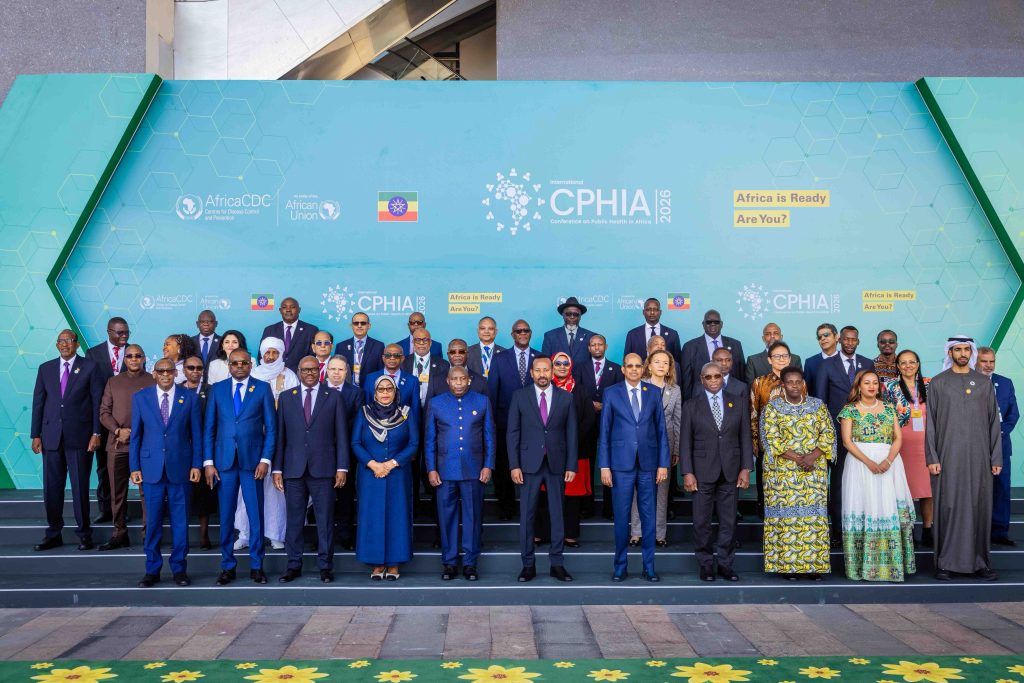
His remarks came as African governments gathered in Addis Ababa for CPHIA 2026, where health financing and reducing dependence on foreign assistance are central themes.