
Rwanda is emerging as a key player in boosting intra-African trade, leveraging the African Continental Free Trade Area (AfCFTA) Guided Trade Initiative (GTI) to expand exports, enhance business growth, and drive economic transformation.
Launched on 26 July 2022 by AfCFTA Secretary-General Wamkele Mene, the GTI facilitates trade between participating African countries by matching businesses and products, simplifying procedures, and reducing barriers that have traditionally hindered cross-border commerce. Eight countries—including Rwanda, Kenya, Ghana, Cameroon, Egypt, Mauritius, Tanzania, and Tunisia—are part of the pilot phase, representing Africa’s five regions.
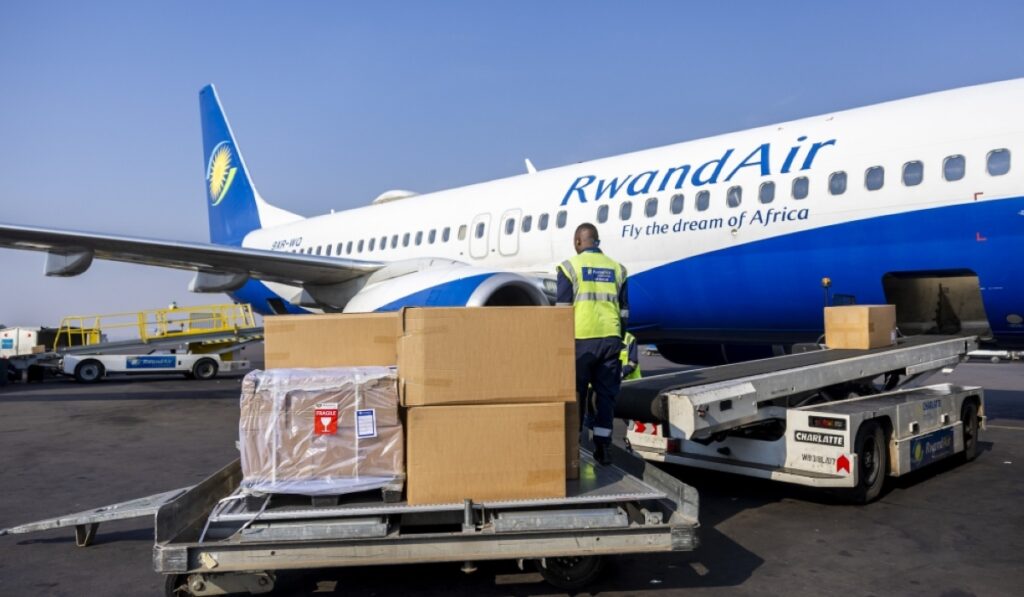
The initiative identifies priority goods for export and import, harmonises regulations, and streamlines customs and logistics processes to make trade faster, cheaper, and more predictable. Rwanda, along with its peers, gains access to preferential markets for products such as tea, coffee, processed meats, maize starch, sugar, pasta, and sisal fibres. By 2030, the GTI is expected to cover at least 96 products, with tariff liberalisation potentially extending to 90% of goods, reflecting Africa’s commitment to deepening economic integration.
Rwandan businesses are already seeing tangible benefits. Igire Coffee, a women-led company based in Kigali, successfully exported locally processed Arabica coffee beans to Ghana within the first six months of the initiative.
“The AfCFTA Guided Trade Initiative is beginning to unlock meaningful intra-Africa trade. Being able to export our processed
coffee to Ghana under this framework shows the potential for Rwandan businesses to grow across the continent,” said Briggette Harrington, the President of Igire Coffee.
She added that the GTI’s structure made it easier for her company to navigate regulatory requirements, access trade financing, and identify partners in Ghana without incurring excessive costs.
The GTI is not limited to goods; it also prioritises trade in services, including tourism, transport, business, communication, and financial services. For Rwanda, this creates significant opportunities to strengthen key sectors such as tourism, information technology, and business services, thereby diversifying the economy, boosting foreign exchange earnings, and generating employment. According to Rwanda Development Board (RDB) data, tourism alone contributed over 7% to the country’s GDP in 2022, and increased cross- border business activity under the GTI is expected to drive further growth in hospitality, transport logistics, and professional services.
Rwanda has actively positioned itself as a hub for high-value exports such as coffee, tea, horticultural products, and processed foods. Small and medium- sized enterprises (SMEs) play a pivotal role, with the government and private sector jointly investing in quality improvement, certification, and market access initiatives to make local products competitive in continental markets. The GTI complements these efforts by providing a regulatory framework that ensures easier certification, standards compliance, and customs clearance.
Other AfCFTA participants have similarly benefited. Kenya, for example, has leveraged the initiative to export AfCFTA-certified car and truck batteries to Ghana, demonstrating how regional trade can stimulate industrial growth, create jobs, and diversify production. Such success stories underline the importance of harmonised regulations, digital trade platforms, and coordinated logistics, which are key pillars of the GTI.
While only a handful of countries have fully embraced the initiative so far, Rwanda’s early adoption offers a model for others aiming to tap into Africa’s trade potential. Officials from the Ministry of Trade and Industry note that the GTI complements Rwanda’s broader economic transformation agenda, which includes the National Strategy for Transformation, Made- in-Rwanda industrial policies, and the Kigali Special Economic Zone, all designed to attract investment, increase exports, and develop high- value sectors.
The initiative also offers Rwandan exporters access to trade financing through partnerships with commercial banks and development finance institutions. Banks have introduced specialised trade products that support AfCFTA transactions, including letters of credit, export guarantees, and foreign exchange facilitation, ensuring that businesses can compete on equal footing with established regional players.
By connecting businesses and markets across borders, the AfCFTA Guided Trade Initiative is more than a trade policy; it is a strategic tool for economic transformation. Rwanda’s proactive participation demonstrates how African countries can drive growth, create jobs, and strengthen continental integration while enhancing the competitiveness of local industries.
“The potential for intra-Africa trade is enormous,” said an RDB official. “The GTI offers a platform for Rwandan SMEs, women entrepreneurs, and industrial players to scale up, access new markets, and participate in the broader African economic space.”
As Rwanda continues to expand its industrial base, improve quality standards, and integrate into regional supply chains, initiatives like the AfCFTA GTI are expected to play a critical role in ensuring that the country remains a leader in Africa’s trade and investment landscape.
Rwandan SMEs Reap Early Benefits from AfCFTA
Rwandan small and medium-sized enterprises (SMEs) are among the first to benefit from the AfCFTA Guided Trade Initiative, gaining access to new markets and regional trade opportunities.
Igire Coffee, a women-led business in Kigali, exported locally processed Arabica coffee beans to Ghana within the first six months of the GTI. The company credits the initiative for simplifying certification, customs clearance, and partner matching.
In agriculture, Made-in-Rwanda food processors such as Kigali-based Hinga Weze have started exporting dried fruits and packaged grains to Kenya and Tanzania, leveraging the initiative’s preferential market access. These early exports help boost production, create jobs, and generate foreign exchange.
Other SMEs in Rwanda’s textile and handicraft sectors are exploring AfCFTA opportunities. Nyamirambo-based Gahaya Links, a cooperative producing handwoven baskets, is negotiating shipments to Ghana and Mauritius, taking advantage of reduced tariffs and streamlined logistics under the GTI framework.
Financial institutions have also stepped in to support SMEs. Banks provide trade financing, letters of credit, and foreign exchange facilitation specifically for AfCFTA-compliant transactions, reducing risks and ensuring timely payments.
These examples highlight Rwanda’s growing reputation as a hub for high-quality, export-ready SMEs. By participating in the GTI, local businesses not only expand their regional footprint but also contribute to Rwanda’s broader economic goals, including industrialisation, job creation, and continental trade integration.