
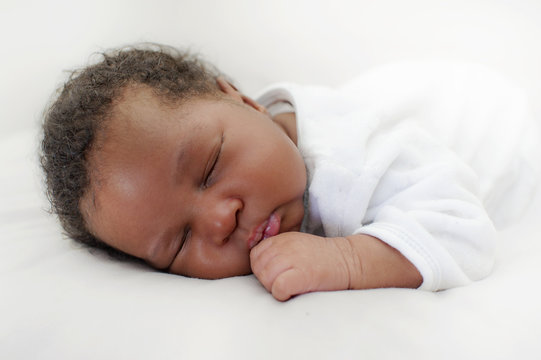
As Rwanda ushered in 2026, the country also celebrated hundreds of new beginnings. On January 1, 2026, more than 800 babies were born across the nation, a powerful reminder that life continues to unfold even as the calendar turns.
According to figures released by the Ministry of Health (MoH), 805 babies were delivered nationwide, with boys slightly outnumbering girls. Of the total, 415 were boys while 390 were girls.
Although the number remains significant, health officials noted a decline compared with January 1, 2025, when 1,016 babies were born on the first day of the year. Officials emphasise that these figures reflect broader demographic trends rather than an immediate cause for concern.
Births Across the Country
Deliveries were recorded in every province, with Rubavu District leading at 27 births, followed by Rutsiro with 26. Bugesera, Karongi, Kayonza, and Kicukiro each registered 25 births, showing a relatively even distribution nationwide.
Several health facilities experienced particularly busy maternity wards. Kabutare District Hospital and Muhima Hospital recorded the highest numbers, with 24 births each, followed by Ruhengeri and Kibagabaga hospitals, which welcomed 20 newborns apiece. Other facilities, including Kirehe, Ruhango, Kibungo, Kacyiru, and Kiziguro hospitals, also reported steady deliveries throughout the day, reflecting the continuous demand for maternal services. The Ministry of Health notes that Rwanda averages between 900 and 1,070 births daily, highlighting the need for fully operational maternity services around the clock. Officials emphasise that childbirth does not pause for weekends or public holidays, making continuous readiness a cornerstone of the nation’s healthcare system. The New Year’s Day deliveries followed 961 babies born nationwide on Christmas Day, 25 December 2025, further illustrating the constant demand for maternal and newborn care.
Demographic Trends and Maternal Health
Beyond daily figures, Rwanda’s long-term demographic trends tell a story of both continuity and change. Recent data from the National Institute of Statistics of Rwanda (NISR), published in December 2025, shows that fertility rates have steadily declined over the past two decades. The average number of children per woman now stands at 3.7, down from 6.1 in 2005. Women in rural areas continue to have slightly larger families, averaging 3.9 children, compared with 3.4 children among urban women a difference shaped by access to education, healthcare, and economic opportunities. Experts attribute Rwanda’s declining fertility partly to sustained government investment in maternal and child health, reproductive health services, and family planning programmes. Initiatives such as antenatal care, skilled birth attendance, postnatal follow-ups, and community health education have reached women across both rural and urban areas, helping improve birth outcomes and reduce maternal and neonatal mortality. The nationwide deployment of Community Health Workers (CHWs) and the accessibility of Mutuelle de Santé (community-based health insurance) have further strengthened maternal and child health services, ensuring that care is both accessible and affordable.
Health Tips for Families: The First Line of Defence
Health officials emphasise that families remain a critical line of defence for maternal and newborn health. Practical steps include:
Family Planning: Access
Antenatal Care: Attend at least four visits to monitor pregnancy and receive vital vaccinations such as tetanus.
Skilled Birth Attendance: Deliver in health facilities under trained midwives or nurses to reduce risks.
Postnatal Care: Ensure check-ups within 48 hours, and again at one and six weeks, for both mother and baby.
to contraceptives supports maternal health and helps families plan pregnancies.
Hygiene and Nutrition: Exclusive breastfeeding for the first six months, clean cord care, handwashing, and balanced maternal nutrition are crucial.
Vaccination: Follow Rwanda’s immunisation schedule, including BCG, polio, and pentavalent vaccines.
“With every baby born, we see the fruits of decades of investment in health infrastructure, trained personnel, and community engagement,” said a MoH official. “These children embody hope and continuity while challenging us to maintain and improve quality care for the next generation.”
A New Year, A Continuing, Commitment
The hundreds of babies born on New Year’s Day are more than statistics—they are a reflection of Rwanda’s commitment to health, family planning, and community mobilisation. From bustling maternity wards to trained CHWs reaching remote areas, Rwanda demonstrates that continuous investment in maternal and child health remains central to national development.
As the country plans for a healthier, more prosperous population, each newborn marks both a continuation of life and a call to sustain the gains made in healthcare. Over 800 new Rwandans welcomed on 1 January 2026 underscore a vital truth: safeguarding maternal and child health is not only a medical priority but a foundation for Rwanda’s long-term social and economic progress.