
Rwanda is set to more than double its electricity generation capacity to 1,066 megawatts (MW) by 2034, investing over $3.2 billion (around Rwf4.3 trillion) in hydropower, solar, and nuclear energy projects, the Rwanda Energy Group (REG) has announced. The ambitious expansion reflects Rwanda’s long-term strategy to power economic growth, improve living standards, and support its transition to a middle- and high-income economy under Vision 2050.
The plan follows five years of rapid progress in electricity access across the country. REG Chief Executive Officer Eng. Zingiro Armand said the proportion of households with access to electricity has risen from 64.5% to 85.4%, marking one of the fastest expansion rates in the region. Of these connections, 60.1% are linked to the national grid, while 25.3% rely on off-grid solar solutions, particularly in rural and hard-to-reach areas.
“Electricity is transforming lives,” Armand said. “We’ve made significant progress, but there’s more to be done to meet future demand driven by population growth, industrialization, and the digital economy.”
Rwanda’s energy demand is expected to rise sharply as the country expands manufacturing, modernises agriculture, and grows sectors such as mining, construction, information technology, and services. Reliable and affordable power is widely regarded as a cornerstone of this transformation.
Hydropower Leads the Way
Hydropower remains the backbone of Rwanda’s energy strategy, building on the country’s rivers and hilly terrain. Among the flagship projects is the Nyabarongo II hydropower plant, expected to generate 43.5 MW. The project is currently 57% complete and is expected to significantly strengthen Rwanda’s domestic generation capacity once operational.
Other hydropower projects under development include Rukarara VI, with a planned capacity of 9.7 MW and currently 26% complete, and the Nyirahundwe plant, which will generate 0.91 MW and is 71% complete. While smaller in scale, such projects play a crucial role in supplying local grids and enhancing overall system resilience.
REG is also advancing the Rusizi III hydropower project, a major regional initiative expected to generate 206 MW. The project will connect Rwanda with Burundi and the Democratic Republic of Congo, strengthening cross-border energy trade and regional integration. Despite political and logistical challenges among partner countries, construction is progressing, reflecting strong commitment to shared energy security in the Great Lakes region.
In parallel, feasibility studies are ongoing for additional hydropower investments, including the expansion of the Ntaruka Dam. Officials say hydropower will remain a stable and cost-effective source of baseload electricity, even as Rwanda diversifies into other renewable and non-renewable sources.
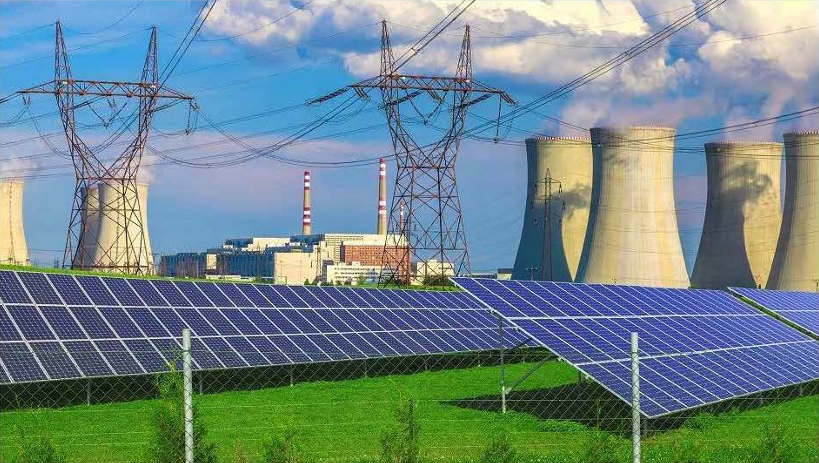
Solar Energy on the Rise Solar power is expected to play an increasingly important role in Rwanda’s energy mix, complementing hydropower and reducing vulnerability to climate variability. Key projects include the 30 MW Mpanga Solar PV plant in Kirehe District, the planned 200 MW Nyabarongo II Solar PV project, and the 4.13 MW Izuba CB Energy Rwanda plant.
Contracts have already been awarded for planning, equipment procurement, construction, and commissioning of several solar facilities. These projects align with Rwanda’s commitment to green growth and climate resilience, while also helping to meet rising electricity demand during peak periods.
Solar energy has also been central to expanding access in rural communities, where off-grid systems have brought power to schools, health centers, and households previously beyond the reach of the national grid. REG officials say continued investment in solar will support universal access goals while keeping emissions low.
Funding for the energy expansion will come from a mix of loans, climate finance, green bonds, and carbon credit mechanisms. REG estimates that at least $3.2 billion will be required to implement the 10-year plan, underscoring the scale constructed to improve grid stability and local supply. The Government has set a target of providing electricity to all citizens by 2024, a goal officials say is achievable given current momentum and sustained investment.
Impact on Citizens
For many Rwandans, access to electricity has already brought tangible improvements in daily life. Mutoni Rose, a resident of Kanzenze Sector in Bugesera District, said electricity has transformed her community. “We’ve moved from darkness into a better life. We were widows without homes, and now we have houses and electricity,” she said, highlighting the link between energy access, housing programmes, and social protection. Amos Rukurundo of Ntarama Sector said electricity has improved education outcomes and opened doors to new economic activities. “Our children study better, and we are now thinking about income-generating projects,” he said, noting opportunities in small businesses and agro-processing.
Nuclear Power on the Horizon
Looking ahead, Rwanda plans to introduce nuclear power plants with a combined capacity of 100 MW over the next decade, beginning in 2025. Officials say nuclear energy will enhance long-term energy security, provide stable baseload power, and support industrial growth as demand continues to rise. Together, investments in hydropower, solar, nuclear energy, and infrastructure upgrades position Rwanda to meet future energy needs while supporting sustainable development. As the country powers homes, industries, and innovation, electricity is increasingly becoming a driver of economic transformation and improved quality of life.