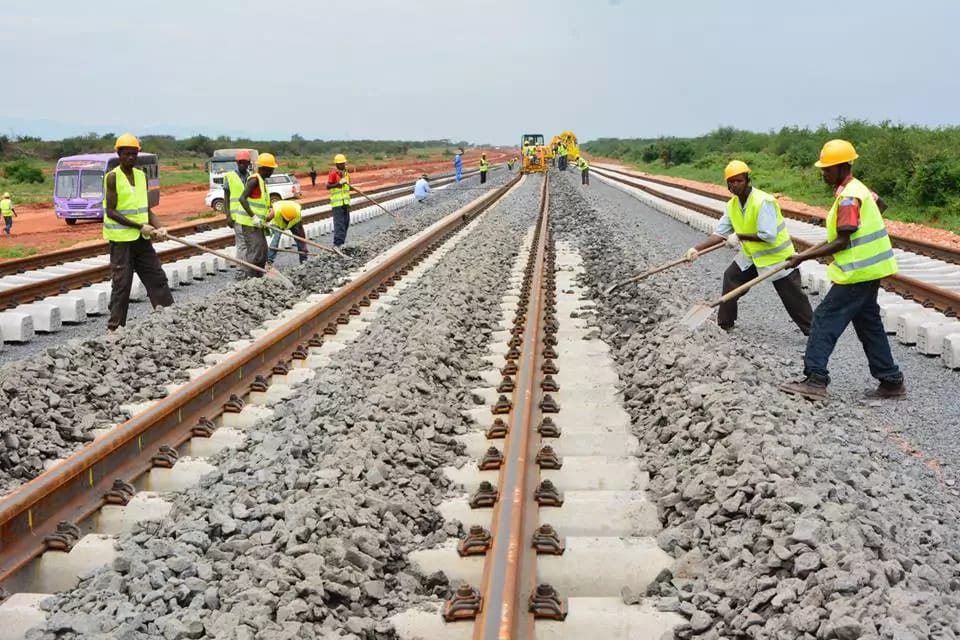

Thousands of Rwandans are still waiting to be paid for damage caused by government infrastructure projects.
Some people have been waiting for more than ten years, according to Transparency International Rwanda.
Through its legal aid project, the Advocacy and Legal Advice Centre (ALAC), the anti-corruption organisation said it received 1,367 complaints between January and November 2025 from citizens affected by public works who had not been compensated.
Over the past sixteen years, ALAC has recorded more than 53,000 complaints. Most of these are about unpaid compensation, property rights, gender-based violence and corruption.
Some of the unresolved cases involve electricity infrastructure installed by the Rwanda Energy Group (REG).
Residents say they have not been paid for losses or for being forced to move because of these projects, even when their land was legally taken for public use. In November, the Chamber of Deputies reported that unpaid compensation for damage caused by different government projects amounts to more than Rwf 79 billion (USD 74 million).
A parliamentary committee monitoring the issue said that, by 1 September 2025, there were 430 projects with 185,253 compensation claims worth Rwf 162 billion (USD 152 million).
Only 119,352 claims, worth Rwf 82.9 billion (USD 78 million), had been paid. This is just over 51 per cent of the total. Nearly 66,000 claims, worth Rwf 79.4 billion (USD 74 million), are still unpaid.
Appollinaire Mupiganyi, the Executive Director of Transparency International Rwanda, criticised REG for failing to pay some residents for more than five years. “The law requires citizens to be compensated before projects carried out in the public interest begin on their land,” he said. “Delaying payments for this long is extreme negligence and pushes people into poverty.”
In Bugesera District, for example, 50 residents affected by electricity lines have not yet received compensation. Responsibility for the payments is disputed between the district authorities and REG. REG said residents are usually compensated before projects start, but delays can happen because of inactive bank accounts or incomplete land documents.
Karanganwa Papias, an REG’s official responsible for environmental and social impacts, said the company gives priority to proper compensation and relocation. He added that residents with complete documentation are paid on time and receive a 5 per cent interest bonus.
Those without the required documents may face delays until they meet all the conditions. After reports showed that more than Rwf 70 billion (USD 65 million) in compensation remains unpaid across different government projects, Parliament asked the Ministry of Finance and Economic Planning to address the problem and include solutions in the 2026 to 2027 national budget.