
In the dry hills of Rugarama in Kayonza District, where farmers have long battled erratic rains and low yields, Théoneste Barajiginywa once believed agriculture would never provide more than hand-to mouth survival.
Season after season, he planted beans, peas, and Irish potatoes, yet the harvests were small and the profits barely noticeable. “Even after working so hard, I never earned more than 500,000 Rwandan francs from all my crops combined,” he said, recalling years of frustration. “I farmed because I had no other choice, but it never changed my life.”
That changed three years ago when he joined the Kayonza Irrigation and Integrated Watershed Management Project (KIIWP), implemented by the Rwanda Agriculture and Animal Resources Development Board (RAB) with support from IFAD and the Government of Spain.
The project targets some of Rwanda’s driest and most climate-stressed communities, equipping farmers with irrigation, watershed rehabilitation, improved seedlings, and practical training in climate-smart agriculture.
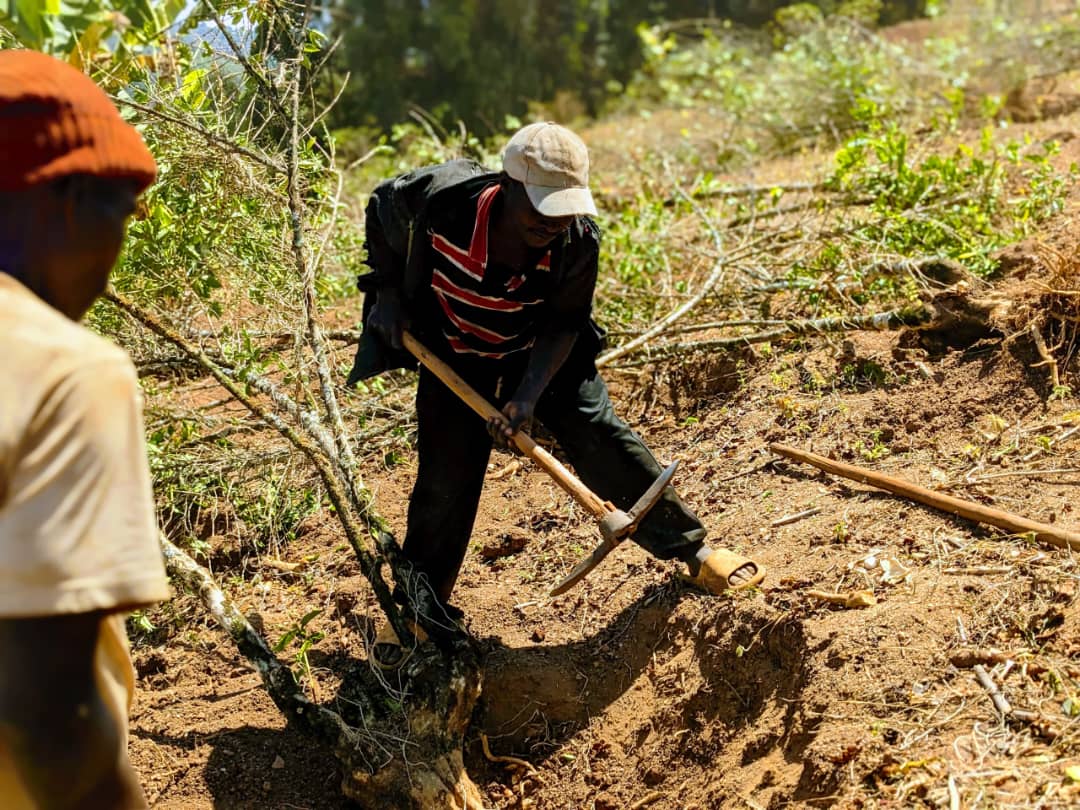
Under the 1,150-hectare orchard scheme established in Kabarondo and Murama, and extended to parts of Ngoma District, Barajiginywa received avocado seedlings and began learning how to manage a professional orchard. It was a shift he had never imagined making.
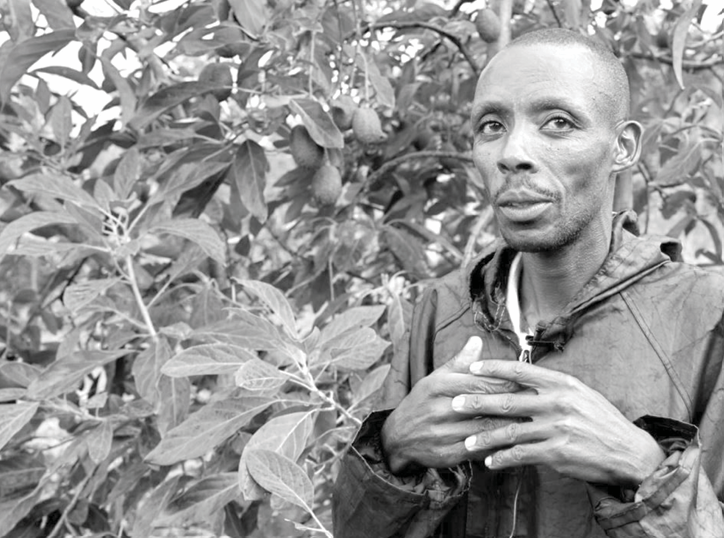
Today, his 68 avocado trees have become what he calls “a milking cow.” Each tree produces about 45 kilograms of fruit, with individual avocadoes weighing between 155 and 200 grams.
After three harvests, his income has reached 1.5 million francs the highest earnings he has ever made in his farming life. “For the first time, I can pay school fees for my children without worries,” he said. “Avocadoes have given me stability. I finally feel like farming can build a future.” His experience mirrors a broader transformation taking place across Kayonza.
More than 31,000 households have been reached through KIIWP’s training sessions, Farmer Field Schools, business support services, and water infrastructure.
The approach is designed to break the cycle of drought, restore degraded land, and help farmers shift from subsistence farming to profitable, climate-resilient value chains.
The change is visible not only in the orchards but also in the confidence of farmers like Barajiginywa, who now encourages his neighbours to follow the same path. “Anyone who has land should plant avocadoes,” he said. “It is a crop that can truly change your life.”
As KIIWP continues to expand its interventions across the district, stories like his are becoming more common. What was once a region defined by drought is slowly becoming a landscape of green orchards, stronger households, and renewed hope one tree at a time.