
Rwanda is facing a new and worrying surge in malaria cases, with 1.1 million infections recorded in the past year and severe cases more than doubling.
The rise has prompted fresh concern among health officials, community leaders, and families, who say the disease is once again disrupting daily life, productivity, and household stability.
While national interventions remain strong, experts insist the decisive battle is shifting back to homes and local communities.
A nationwide upsurge
Rwanda Biomedical Center (RBC) reports that malaria cases, which had fallen dramatically between 2018 and 2022 from 4 million to 800,000 have now risen again.
The increase between 2024 and 2025 has been sharp, with districts such as Bugesera, Nyagatare, Gasabo, Kicukiro, and Gisagara recording the steepest spikes.
“It’s a worrying trend,” says Epaphrodite Habanabakize, Malaria Prevention Senior Officer at RBC, whom this publication interviewed exclusively.
“We were on the right path, but now indicators require urgent action. The rise is nationwide, and every household has a role,” Habanabakize said.
Human stories behind the numbers
During a malaria prevention campaign in Ngeruka Sector, Bugesera District, families described how the disease affects their daily lives.
Annonciata Murebwayire, a mother of four, recounted her recent struggle with the illness. “It started with a fever and headache. By the third day, I couldn’t stand,” she said. “My children stopped going to school because no one could prepare them. Malaria shuts down a home.”
Rice farmer Eugene Hategekimana also shared how malaria impacts livelihoods. “I worked alone in the f ields for a week when my wife fell ill,” he explained. “We lost income, and every day I feared she would get worse. Malaria does not just attack a body it attacks the whole family economy.”
Health workers see the trend first
Health centres in high-risk districts confirm the rising cases.
“In October alone, almost half of our patients had malaria,” said Donatha Musengimana, Titulaire of Ngeruka Health Center, during a campaign in Bugesera. “Prevention must be daily, not seasonal,” she added. Local leaders say the environment in areas like Ngeruka heightens vulnerability.
“Our people live and work surrounded by water,” noted Sector Executive Secretary Aimable Khadaffi. “You cannot talk about agricultural development if families are too sick to benefit from it.” Bugesera’s Vice Mayor in charge of social affairs, Yvette Imanishimwe, emphasised the dangers of delaying treatment.
“People think symptoms will pass,” she said. “But severe malaria starts with waiting too long. Go to the health centre the moment symptoms appear.”
Why cases are rising again
RBC attributes the surge to several factors. Climate change has expanded mosquito breeding grounds through persistent stagnant water and warmer temperatures
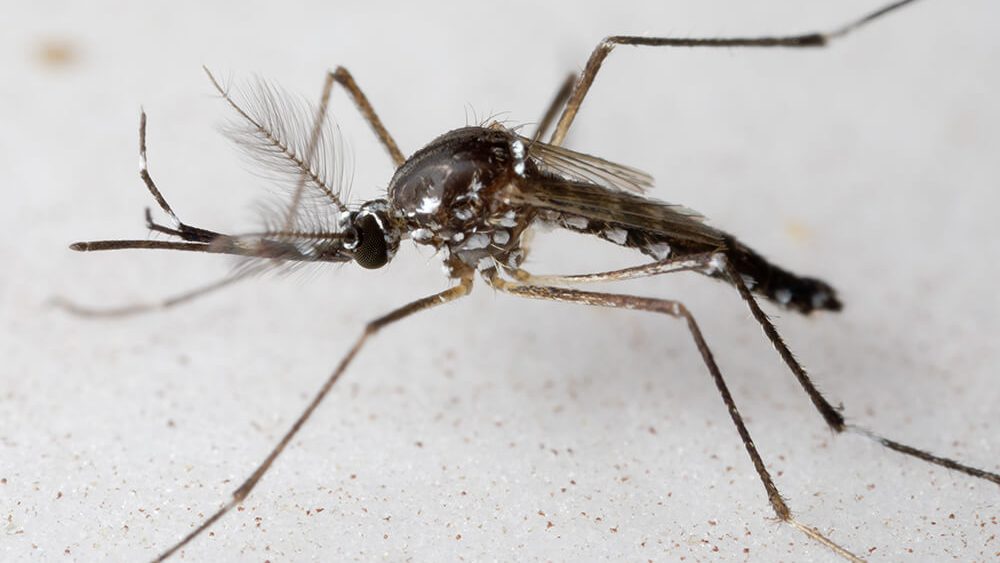
Mosquito behaviour has also shifted in some districts, with biting occurring earlier in the evening when people are still outdoors reducing the effectiveness of indoor residual spraying and bed nets.
Human behaviour plays a role too.
Delayed treatment, poor waste disposal, and household environments that attract mosquitoes all contribute to the spread.
Drug resistance poses new risks
Rwanda has detected early signs of resistance to Coartem, the drug commonly used to treat uncomplicated malaria.
Its effectiveness in some districts has dropped to 95 per cent. “When a drug loses strength, even slightly, cases become more persistent,” Habanabakize explained.
The government is now transitioning to a more effective treatment, DHA PPQ, while retraining Community Health Workers (CHWs), who treat more than half of malaria cases nationwide.
Home-based prevention still matters most Health officials emphasise that families remain the strongest line of defence.
Proper use of mosquito nets, clearing bushes and stagnant water, seeking early treatment, using repellents during evening activities, and protecting children and pregnant women are essential steps.
In Musanze, mother of four Peruth Uwamariya said her household saw significant improvement after adopting consistent prevention habits.
“We used to fall sick every two months,” she said in a phone interview. “After learning to clean around the house and use nets properly, malaria reduced.” Farmers in wetlands stress the need for protective gear.
“As we protect our crops, we also need to protect our bodies,” said Ladislas Minani, President of KOPEKITEKI Rice Farmers Cooperative in Ngeruka Sector, Bugesera District.
Technology and community mobilization
Rwanda is piloting drone based larval source management aimed at destroying mosquito larvae in large breeding sites.
Civil society groups, cooperatives, and local leaders continue to mobilise communities under the national Zero Malaria Starts With Me campaign.
“When people understand their role, progress becomes sustainable,” Habanabakize said.
A fight that can still be won
Despite the recent surge, Rwanda’s past success shows that malaria control is achievable.
The country continues to strengthen treatment protocols, expand CHW services, intensify spraying campaigns, distribute bed nets, and invest in innovative prevention tools. “The message is clear,” Habanabakize said.
“Homes, villages, cooperatives and everyone must use the prevention tools available. This is how we protect each other.”