
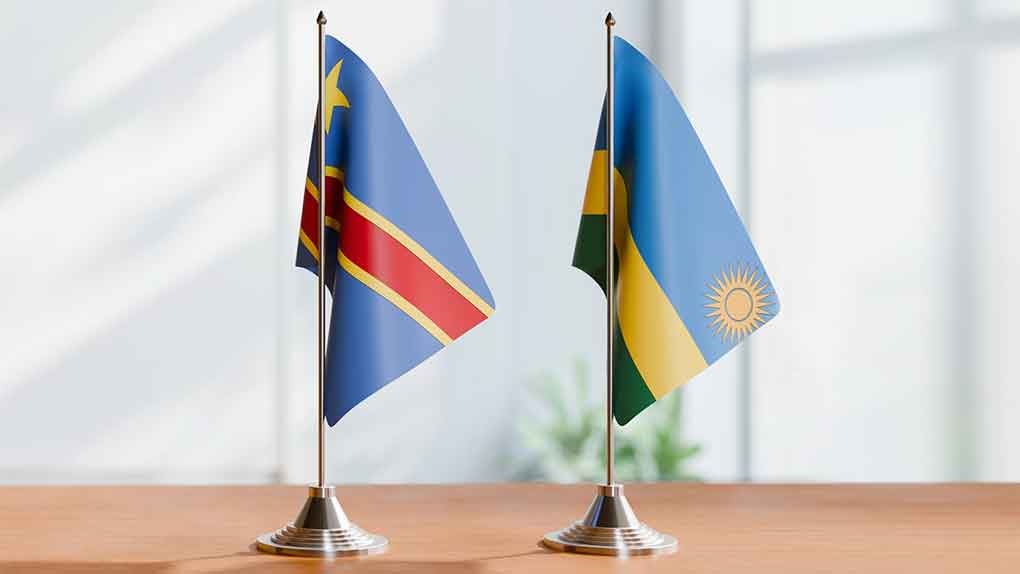
The recent peace initiative involving Rwanda and the Democratic Republic of Congo (DRC) represents a significant and cautiously hopeful step for a region that has endured decades of tension, recurring violence, and profound humanitarian challenges.
For many years, relations between the two nations have been strained by mutual suspicions: Rwanda has expressed concern about armed groups operating from Congolese territory, while the DRC has accused Rwanda of involvement in conflicts within its eastern provinces.
These dynamics have contributed to instability in the Great Lakes region and have deeply affected the lives of millions of civilians.
Against this backdrop, the renewed commitment to dialogue and constructive engagement is a welcome development.
The peace efforts reportedly emphasize de escalation along the border, improved channels for military and diplomatic communication, and strengthened coordination through regional bodies such as the East African Community and the International Conference on the Great Lakes Region.
These mechanisms are essential not only for addressing immediate security concerns but also for building confidence between the two countries.
However, the durability of any peace arrangement will depend on the sustained political will of both governments.
Agreements must be implemented with transparency, mutual respect, and a shared commitment to reducing the influence of armed groups that undermine stability.
It will also be important to ensure that local communities those most directly affected by conflict are included in peacebuilding and reconciliation processes.
Beyond security provisions, long-term peace requires attention to underlying socioeconomic and governance factors.
Persistent challenges such as limited access to basic services, competition over natural resources, and insufficient economic opportunities continue to fuel grievances.
Addressing these issues will demand coordinated national and regional strategies, as well as constructive support from international partners.
For the people of Rwanda and the DRC, peace is ultimately measured in everyday realities: the freedom to move safely, the ability to pursue livelihoods without fear, and the confidence that their communities can thrive.